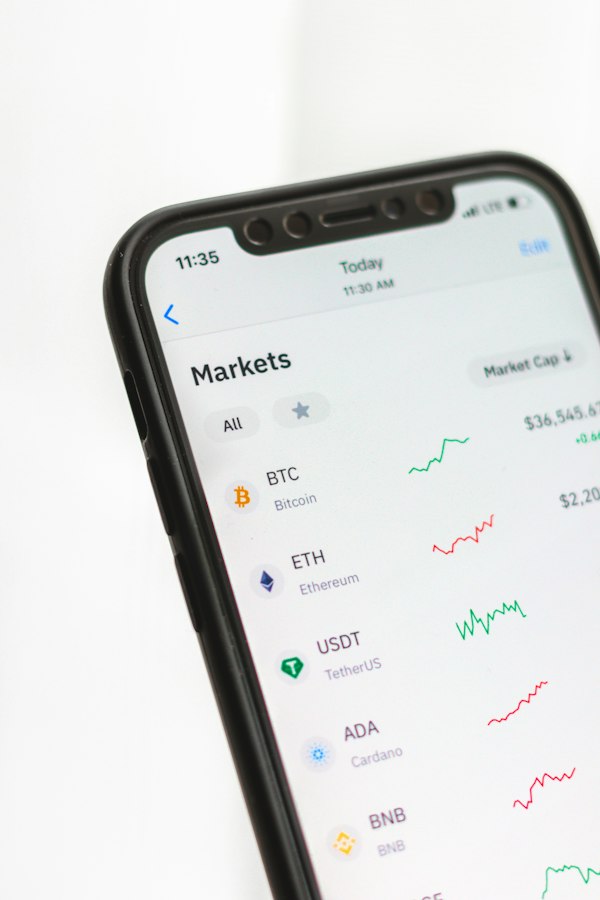
Bitcoin Dips Below $77,000: What It Means for Indian Investors Amid U.S. Midterms and Chip Showdown

Bitcoin has plunged below $77,000 due to a global chip shortage exacerbated by impending U.S. midterm elections, raising alarms among investors. As the cryptocurrency market reacts, Indian investors should stay informed about the broader implications for their portfolios and the Indian financial landscape.
# Understanding the Landscape: Bitcoin and the Chip Crisis
As Bitcoin falls under the $77,000 mark, the cryptocurrency landscape finds itself ensnared in a web of global events, primarily a pressing chip shortage that’s affecting tech industries worldwide. This chip crisis is no ordinary hiccup; it’s a significant challenge impacting everything from automobiles to consumer electronics — and, of course, the mining of cryptocurrencies like Bitcoin and Ethereum. In India, where crypto interest is surging, this downturn is particularly noteworthy.
The Reserve Bank of India (RBI) and the Securities and Exchange Board of India (SEBI) have been keenly observing these trends, especially as they affect the nascent but rapidly growing Indian crypto market. The RBI has historically been cautious about cryptocurrencies, underscoring the importance of regulatory clarity as domestic investors increasingly pivot towards digital assets.
# What Happened? A Closer Look at the Numbers
The recent drop in Bitcoin prices coincides with a broader market correction as concerns over supply chain disruptions loom larger. To put this into perspective, Bitcoin traded as high as $85,000 a few weeks prior, indicating a significant loss of value in a short time. This price volatility can be attributed to multiple factors, including the uncertainty surrounding U.S. midterms, where political shifts could impact legislation affecting cryptocurrencies.
Moreover, the semiconductor chip shortage has forced many tech companies to scale back production, which has a cascading effect on the demand for the hardware essential for crypto mining. This is particularly relevant for Indian miners, who rely on imported chips and face increasing costs as the rupee (₹) continues to fluctuate against the dollar.
# Market Reaction: Indian Investors on Edge
Following the Bitcoin price drop, the Indian stock market, represented by indices such as the Nifty and the BSE Sensex, has shown increased volatility. Investors are becoming more cautious, with many turning to traditional investment vehicles like mutual funds and fixed deposits (FDs) as the crypto market exhibits shaky ground.
Analysts predict that the trend of systematic investment plans (SIPs) in mutual funds may gain traction as a safer alternative. According to recent data from the Association of Mutual Funds in India (AMFI), SIP inflows reached ₹11,171 crore in September alone, showcasing a growing preference for stability among Indian investors. Market expert Sunil Subramanian notes, “We may see a shift towards more traditional assets as uncertainty in the crypto market persists.”
# Implications for Indian Investors
For those involved in the Indian crypto space, the implications of Bitcoin’s decline are manifold. Firstly, this presents a crucial learning opportunity about the inherent volatility of cryptocurrencies. While the potential for high returns can be tempting, the risks associated with investing in digital assets remain significant. Many investors are now reevaluating their crypto exposure in light of recent events.
Furthermore, the RBI has reiterated its stance on a balanced approach to cryptocurrency regulation, emphasizing consumer protection. This means that Indian investors should stay updated on potential regulations that could impact their crypto investments, especially as the government is expected to clarify its position post-U.S. elections.
# What to Watch Next?
Looking ahead, investors should keep a close eye on several factors that could influence the market: - **U.S. Midterm Elections**: The outcome could reshape policy approaches towards cryptocurrencies, impacting global sentiment. - **Chip Supply Chain Developments**: Any improvement in the semiconductor industry could stabilize production for crypto mining hardware. - **Rupee Fluctuations**: As the Indian rupee continues to engage in a tug-of-war against the dollar, the cost of importing mining equipment remains a critical factor for Indian miners and investors. - **Regulatory Clarity**: Watch for any announcements from the RBI or SEBI regarding regulations that could affect crypto markets, as these could lead to significant shifts in investor confidence.
# What Should You Do?
1. **Diversify Your Portfolio**: If you've invested heavily in cryptocurrencies, consider diversifying into traditional assets such as equities, mutual funds, or fixed deposits to mitigate risk. 2. **Stay Informed**: Keep abreast of both domestic and international news concerning regulatory changes and market sentiment that could affect your investments. 3. **Evaluate Your Risk Tolerance**: Reflect on your investment strategy and assess whether it aligns with your risk appetite, especially in volatile markets. 4. **Consider Expert Guidance**: Consulting with a financial advisor can offer tailored insights and help you navigate the complexities of both crypto and traditional investment landscapes.
As Bitcoin continues to fluctuate, Indian investors find themselves at a crossroads. While the allure of high returns remains, the recent market developments remind us that prudent investment strategies often yield the best outcomes over time.
By understanding the broader context and staying vigilant about market dynamics, investors can position themselves effectively in this evolving financial landscape.
Disclaimer: This article is for informational purposes only and does not constitute financial advice. Please consult a fee-only CFP or SEC-registered investment advisor before making investment decisions.