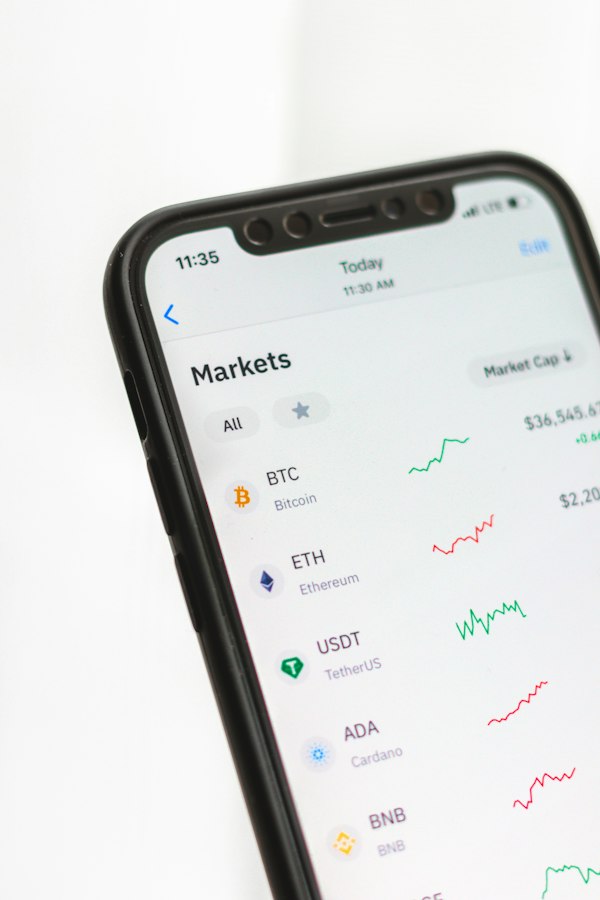
North Korea Dismisses Binance Hack Allegations: What It Means for Investors

North Korea's denial of involvement in the recent Binance hack raises questions about the security of global cryptocurrency exchanges. As billions in stolen cryptocurrency are traced back to various networks, Indian investors must stay vigilant amidst the evolving landscape of digital assets.
In recent days, the world of cryptocurrency has been rocked by a high-profile hack involving Binance, one of the largest digital asset exchanges globally. This incident has not only sent shockwaves through the crypto community but has also raised pertinent questions about security protocols and the implications for investors—particularly in markets like India, where interest in cryptocurrencies is burgeoning. The implications of this incident extend beyond mere theft, potentially affecting regulatory responses and investor confidence in both cryptocurrencies and traditional financial systems.
# Background: The Binance Hack
Binance, which processes billions of dollars in trades daily, reported a significant security breach that allowed hackers to siphon off a staggering amount of cryptocurrency, estimated in the billions. Researchers have traced transactions related to this stolen cryptocurrency back to various wallet addresses linked to North Korean hackers, particularly those associated with the infamous Lazarus Group, which has been implicated in numerous cybercrimes against financial institutions.
What makes this situation particularly concerning for investors is the historical context. North Korea has been known to leverage cybercrime as a means to fund its regime, especially in light of international sanctions that have crippled its economy. The country's ministry of foreign affairs has staunchly denied any involvement in the Binance hack, calling the allegations “groundless.” This denial, however, does little to assuage concerns among investors about the safety and security of their assets in the crypto world.
# What Happened: Details of the Denial and Investigation
Following the hack, blockchain researchers began tracing the flow of the stolen funds. This investigation revealed a complex web of transactions that led back to known North Korean wallets. The cryptocurrency community has been on high alert, with many exchanges increasing their security measures in response to this breach. The implications of this incident have reverberated across global markets, causing not only a drop in Bitcoin and other altcoins but also raising questions about the regulatory framework surrounding cryptocurrencies.
In India, where the Reserve Bank of India (RBI) has been cautious about cryptocurrencies, this incident could push the central bank and the Securities and Exchange Board of India (SEBI) to reevaluate their stance. The RBI has previously expressed concerns about the potential for fraud and money laundering in the crypto space. As the government considers regulations for this burgeoning market, incidents like the Binance hack could accelerate discussions around the need for a more robust regulatory framework.
# Market Reaction: A Ripple Effect
The immediate market reaction following the Binance hack was one of volatility. Bitcoin, which had been hovering around ₹4,500,000, saw a dip of approximately 10% in the days following the news. Other cryptocurrencies, including Ethereum and Ripple, experienced similar declines. This kind of reaction underscores the fragility of investor confidence in the face of security breaches.
For Indian investors, who have increasingly turned to systematic investment plans (SIPs) in mutual funds and diversified portfolios, this event serves as a cautionary tale. The hack has highlighted the risks associated with investing in digital currencies, particularly for those who may not fully understand the underlying technology or security measures necessary to protect their investments. The National Stock Exchange (NSE) and Bombay Stock Exchange (BSE) have yet to list cryptocurrencies officially, but the growing interest raises questions about future listings and regulations.
# Implications for Indian Investors
The fallout from the Binance hack has several implications for Indian investors. First, there is a heightened awareness of the risks involved in cryptocurrency investments. Many investors may now be more inclined to consider traditional assets, such as fixed deposits (FDs) or equities, which are perceived as safer. Furthermore, the incident could prompt a regulatory response that may include stricter controls on exchanges operating in India.
Investors should also consider diversifying their portfolios. With the volatility associated with cryptocurrencies, it may be wise to balance investments between traditional assets and digital currencies. Mutual funds that focus on technology or fintech may offer exposure to the sector without the risks associated with direct crypto investments.
Additionally, the RBI's cautious approach to cryptocurrencies suggests that the central bank may introduce measures to protect investors. As regulations evolve, investors should stay informed about developments that might impact their investment strategies.
# What to Watch Next
As the investigations into the Binance hack continue, investors should keep an eye on several key developments. Watch for updates regarding regulatory changes from the RBI and SEBI, as any new guidelines could significantly influence the crypto market in India. Additionally, pay attention to how major exchanges respond to this incident—enhanced security measures could be a sign of a more mature market.
Keep track of the performance of cryptocurrencies in the following weeks; any signs of recovery or continued decline could indicate the market’s resilience or vulnerability in light of ongoing security concerns. Finally, monitor discussions around international cooperation on cybersecurity, as this incident has prompted calls for a more unified approach to combating cybercrime.
# What Should You Do? 1. **Reassess Your Investment Strategy**: Evaluate your current portfolio. If you have significant exposure to cryptocurrencies, consider diversifying into more traditional assets to manage risk. 2. **Stay Informed**: Keep abreast of regulatory changes in India regarding cryptocurrencies. Understanding the legal landscape will help you make informed decisions. 3. **Enhance Security Measures**: For those invested in cryptocurrencies, ensure that you are using secure wallets and exchanges. Consider hardware wallets for added security. 4. **Consult Financial Advisors**: If you're uncertain about how to navigate this volatile market, seek advice from financial experts who understand the Indian context and can provide tailored guidance.
With the landscape of cryptocurrency continuing to evolve, staying informed and proactive is crucial for investors in India and beyond. The Binance hack serves as a stark reminder of the potential vulnerabilities in this rapidly developing market, making vigilance and strategic planning more important than ever.
Disclaimer: This article is for informational purposes only and does not constitute financial advice. Please consult a fee-only CFP or SEC-registered investment advisor before making investment decisions.