Binance's SAFU Fund Dilemma: What It Means for Indian Investors
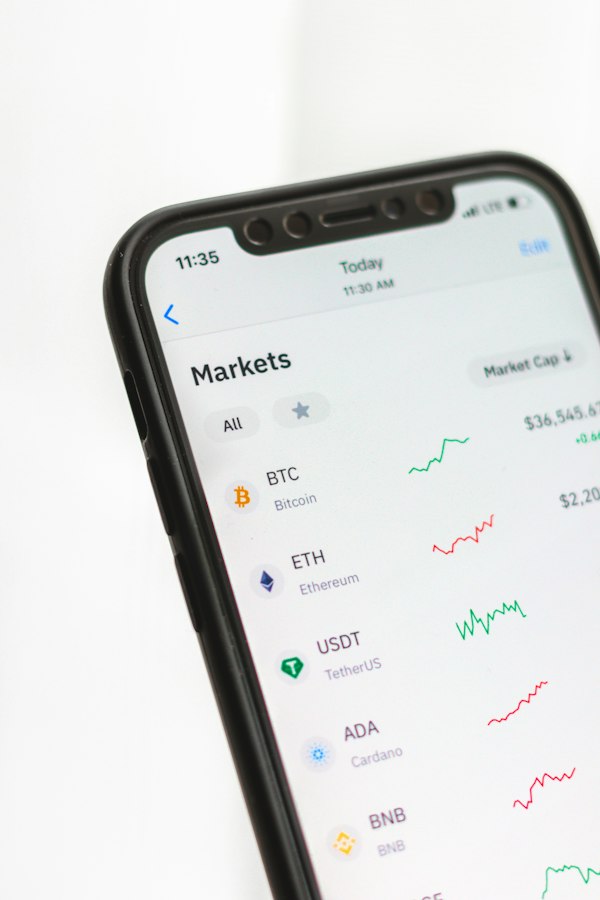
Binance, one of the largest cryptocurrency exchanges globally, has reportedly depleted half of its Secure Asset Fund for Users (SAFU), raising significant concerns about its liquidity and operational resilience. For Indian investors, this development could signal potential risks in the crypto market, necessitating a more cautious approach to digital assets.
The cryptocurrency landscape is anything but stable, and recent developments surrounding Binance, one of the biggest players in the market, have once again heightened concerns among investors. Reports indicate that Binance has spent roughly half of its Secure Asset Fund for Users (SAFU), amounting to about $580 million. This revelation not only raises eyebrows regarding Binance's financial health but also has wider implications for the global cryptocurrency ecosystem, including Indian investors.
# Background/Context: Understanding SAFU and Its Importance
Before diving into the specifics of Binance's recent actions, it’s essential to understand what SAFU is and why it matters. Established in July 2018, the Secure Asset Fund for Users was created by Binance as a safety net for its users in case of unforeseen incidents such as hacks or other security breaches. Funded by 10% of all trading fees, SAFU was designed to bolster user confidence in the exchange’s ability to protect their assets.
In the volatile world of cryptocurrencies, where prices can swing dramatically and security breaches are not uncommon, SAFU has provided a semblance of security. However, the recent expenditure of half of this fund raises serious questions about Binance's liquidity and its ability to respond to future crises.
For Indian investors, who are increasingly turning to cryptocurrencies as an asset class, understanding the robustness of platforms like Binance is crucial. The Reserve Bank of India (RBI) has maintained a cautious stance on cryptocurrencies, which underscores the need for investors to tread carefully in this space.
# What Happened: Binance's Expenditure of SAFU
As per reports from CoinDesk, Binance has utilized approximately $580 million from its SAFU fund. While the exchange has not disclosed the exact reasons for this expenditure, it is assumed that the funds may have been used to cover unexpected losses or to enhance security measures following various market pressures and regulatory scrutiny.
This expenditure has sparked considerable debate among cryptocurrency enthusiasts and detractors alike. Some argue that Binance's liquidity could be compromised, while others believe the move demonstrates transparency and a proactive approach to risk management.
However, it’s crucial to analyze how this situation aligns with the broader market trends. The global cryptocurrency market has faced a turbulent year, with Bitcoin and Ethereum prices fluctuating significantly due to macroeconomic factors, regulatory changes, and a slew of negative news cycles. In India, the situation is no different; the Nifty and BSE indices have also seen volatility, with investors keenly watching how these developments might spill over into the crypto space.
# Market Reaction: A Ripple Effect?
The immediate market reaction to Binance's SAFU expenditure was mixed. Bitcoin's price saw a slight dip, falling to approximately ₹6.5 lakhs, reflecting investor anxiety. Ethereum also followed suit, showing a drop, with prices plummeting to around ₹4.5 lakhs.
Market analysts have pointed out that such news can lead to increased volatility as investors become more cautious.
The broader implications for the Indian market are significant. With crypto exchanges like WazirX and CoinDCX operating within India's regulatory framework, any turbulence at Binance can lead to a ripple effect across these platforms.
# Implications for Indian Investors: A Cautious Approach
For Indian investors, this news serves as a reminder of the inherent risks associated with the cryptocurrency market. With regulatory bodies like the Securities and Exchange Board of India (SEBI) keeping a watchful eye, it’s crucial for investors to ensure that they are not overly reliant on a single platform, especially one that is now facing liquidity questions.
Additionally, the RBI's stance on cryptocurrencies remains unclear, which adds another layer of uncertainty. Investors should consider diversifying their portfolios to include safer investments, such as fixed deposits (FDs) or mutual funds, in conjunction with their cryptocurrency holdings.
Furthermore, utilizing Systematic Investment Plans (SIPs) in mutual funds can offer an additional layer of stability, especially during turbulent times in the crypto markets. Investors should also keep an eye on regulatory updates, as any new guidelines could significantly impact market dynamics.
# What to Watch Next: Key Indicators
As we move forward, there are several key indicators that investors should monitor: 1. **Regulatory Changes**: Keep an eye on announcements from the RBI and SEBI regarding cryptocurrencies, as new regulations could reshape the landscape. 2. **Market Volatility**: Watch for trends in Bitcoin and Ethereum prices, particularly how they respond to news surrounding Binance and other exchanges. 3. **Binance's Financial Health**: Investors should stay updated on Binance's liquidity situation and any measures the exchange takes to stabilize its operations. 4. **Broader Economic Indicators**: Global economic trends, particularly those affecting fiat currencies and interest rates, can also impact the cryptocurrency market.
# What Should You Do?
1. **Diversify Your Portfolio**: Don’t put all your eggs in one basket; consider having a mix of cryptocurrencies, mutual funds, and fixed deposits to mitigate risk. 2. **Stay Informed**: Follow credible news sources for updates on regulatory changes and market movements to make informed investment decisions. 3. **Use Caution in Crypto Investments**: If you decide to invest in cryptocurrencies, only allocate a small portion of your portfolio to this high-risk asset class. 4. **Consider Professional Advice**: If you're new to investing or uncertain about your strategy, consulting with a financial advisor can provide personalized guidance tailored to your financial goals.
The unfolding situation with Binance emphasizes the need for vigilance and adaptability in today’s investment landscape. As an Indian investor, being informed and prepared can help you navigate these unpredictable waters with confidence.
Disclaimer: This article is for informational purposes only and does not constitute financial advice. Please consult a fee-only CFP or SEC-registered investment advisor before making investment decisions.
More News

U.S. Military Actions in Iran: What It Means for Indian Investors
5 min read

North Korea Dismisses Binance Hack Allegations: What It Means for Investors
5 min read

Arbitrum Council Moves $30 Million in Binance Hack Funds: What It Means for Indian Investors
5 min read