The Crypto Conundrum: Lessons from London's Latest Theft Crisis and What It Means for Indian Investors

Recent incidents of crypto theft in London raise significant concerns for investors, especially in the rapidly evolving digital asset landscape. Understanding these developments is crucial for Indian investors navigating an increasingly digital economy.
# Background: The Rising Tide of Crypto Theft in London Cryptocurrency has been touted as the future of finance, but with innovation comes a host of challenges, not the least of which is security. In London, a recent case involving a stolen iPhone led to a staggering loss of approximately $14,000 related to cryptocurrencies. This incident is not an isolated one; it underscores a growing problem of theft and fraud in the crypto space, prompting authorities and investors alike to rethink their strategies.
The UK capital has witnessed a surge in crypto-related crimes, with a staggering £1.3 billion reported in losses last year alone, according to the UK's National Police Chiefs' Council. As cryptocurrencies gain traction globally, including in India, the implications of these thefts are profound, especially for investors looking to navigate this volatile market safely.
# What Happened: A Case Study in Crypto Vulnerability In this particular case, the victim's iPhone was stolen, and with it, access to various cryptocurrency wallets and accounts. The theft highlights a crucial vulnerability: even the most sophisticated financial assets can be compromised through relatively simple means.
The loss of $14,000 may seem paltry compared to the billions in market capitalization of cryptocurrencies like Bitcoin and Ethereum, but it serves as a stark reminder. In India, where the adoption of digital financial instruments is on the rise, similar threats loom large. The Reserve Bank of India (RBI) and the Securities and Exchange Board of India (SEBI) have been actively exploring regulatory frameworks to manage and mitigate risks associated with digital assets, but the rapid evolution of the technology often outpaces these efforts.
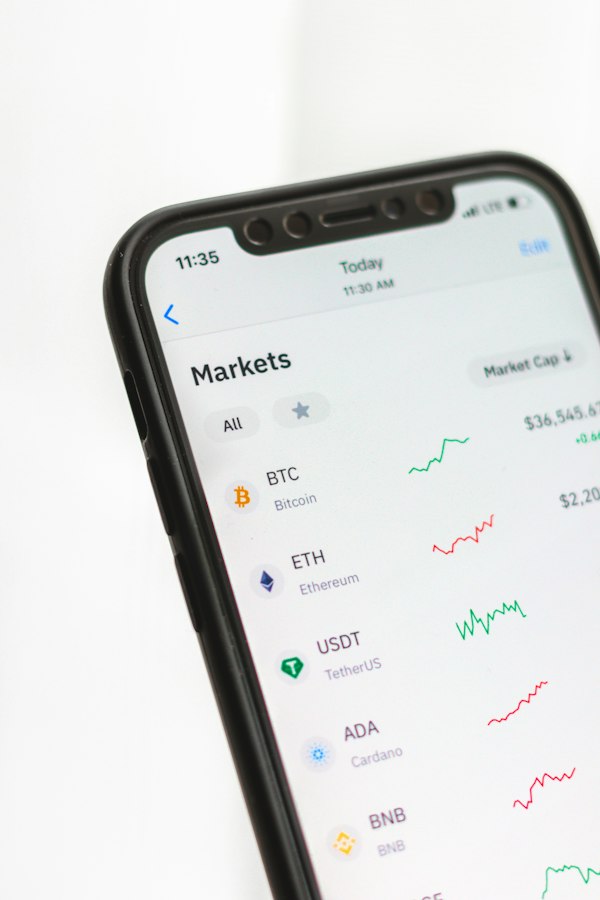
# Market Reaction: Crypto's Volatility and Investor Sentiment After the news of this theft broke, the cryptocurrency market saw a ripple effect. Bitcoin's price fluctuated as investors reacted to the increasing risks associated with holding digital currencies. Bitcoin is currently trading at approximately ₹5,600,000, down from its recent high, while Ethereum prices have also witnessed volatility.
This incident has not only impacted market sentiment but also sparked conversations among investors about the necessity of securing their digital assets. In India, where the Nifty 50 index is a barometer of overall market health, the sentiment surrounding cryptocurrencies often mirrors traditional equities. Investors are increasingly cautious, reflecting a broader trend of risk aversion following such high-profile thefts.
# Implications for Indian Investors: Navigating a Dangerous Landscape For Indian investors, the theft in London serves as a cautionary tale. The RBI has issued advisories on the risks of cryptocurrency investments, emphasizing the lack of regulatory oversight and the potential for significant losses. Furthermore, the increasing number of incidents involving thefts and scams should push investors to reconsider their strategies.
While the allure of high returns in crypto is undeniable, it's also essential to approach these investments with a robust risk management strategy. Many Indian investors are turning to systematic investment plans (SIPs) in mutual funds as a more stable alternative to the volatility of cryptocurrencies. The mutual funds market in India is booming, with assets under management (AUM) exceeding ₹38 trillion as of September 2023.
Additionally, fixed deposits (FDs) continue to be a safe haven for conservative investors, especially amidst rising interest rates. The current average interest rate for FDs stands around 6-7%, making them an attractive option compared to the unpredictable nature of crypto.
# What to Watch Next: The Future of Crypto Regulation and Security As the crypto landscape evolves, stakeholders in India and globally will need to keep a keen eye on regulatory developments. The RBI’s stance on digital currencies and the potential for new regulations from SEBI could shape the future of cryptocurrency investments.
Moreover, as the threat of theft grows, technology solutions for secure wallet management are becoming increasingly vital. Innovations in security, such as multi-signature wallets and hardware wallets, are gaining traction among investors looking to protect their digital assets.
For Indian investors, staying informed about these changes and adapting their strategies will be critical. Engaging in discussions about risk management and asset allocation can also provide clarity in these uncertain times.
# What Should You Do? Take Action Wisely 1. **Review Your Crypto Holdings:** If you hold cryptocurrencies, assess the security measures you have in place. Consider using hardware wallets for better security. 2. **Diversify Your Investments:** Don’t put all your eggs in one basket. Explore SIPs in mutual funds or look at diversified equity portfolios to balance your risk exposure. 3. **Stay Informed:** Keep an eye on regulatory updates from the RBI and SEBI regarding cryptocurrencies. Understanding the legal landscape will help you make informed decisions. 4. **Invest in Education:** Consider attending workshops or webinars focused on cryptocurrency security and investment strategies. Knowledge is your best defense in this fast-paced market.
Disclaimer: This article is for informational purposes only and does not constitute financial advice. Please consult a fee-only CFP or SEC-registered investment advisor before making investment decisions.
More News

How AI Gains Are Reshaping Indian Corporates: Insights for Global Investors
5 min read
North Korea's Alleged Role in Binance Hack: What It Means for Indian Investors
5 min read

Binance Recovers $5.67 Billion from Hack: What It Means for Indian Investors
5 min read