North Korea's Alleged Role in Binance Hack: What It Means for Indian Investors
The FBI's confirmation of North Korea's involvement in the $6 billion Binance hack has sent shockwaves through the crypto and financial markets. For Indian investors, this raises critical questions about regulatory responses, investment strategies, and the future of digital currencies in the country.
# Background: The Evolving Landscape of Crypto Regulations The cryptocurrency landscape has been nothing short of tumultuous, especially in India, where regulatory bodies like the Reserve Bank of India (RBI) and the Securities and Exchange Board of India (SEBI) have been grappling with how to manage this burgeoning sector. With Bitcoin, Ethereum, and various altcoins gaining traction, Indian investors have been increasingly drawn to this digital frontier. However, significant security breaches, such as the recent hack of Binance, one of the world’s largest cryptocurrency exchanges, have raised serious concerns about the safety and stability of digital assets.
In a recent turn of events, the FBI confirmed North Korea’s involvement in a staggering $6 billion hack on Binance. This incident not only highlights the vulnerabilities within the crypto infrastructure but also sheds light on the geopolitical tensions that can influence market movements. As India continues to navigate its regulatory framework around cryptocurrencies, the implications of this hack could reverberate through the entire financial ecosystem.
# What Happened: A Deep Dive into the Binance Hack The FBI's announcement about North Korea's role in the Binance hack has provided clarity on an incident that had already shaken the crypto community. The hack, which occurred in 2021, involved a sophisticated scheme where hackers exploited vulnerabilities in smart contracts, making off with billions in Bitcoin and other cryptocurrencies. This breach has been linked to the Lazarus Group, a hacking entity associated with North Korea, which historically has funded its regime through cybercrimes.
The FBI’s warning has led to calls for the decentralized finance (DeFi) community to block addresses linked to the hack, including Bitcoin (BTC), Ethereum (ETH), and Solana (SOL) assets. This creates a ripple effect that could potentially impact liquidity and trading activities in these cryptocurrencies, raising fears among investors about the safety of their holdings.
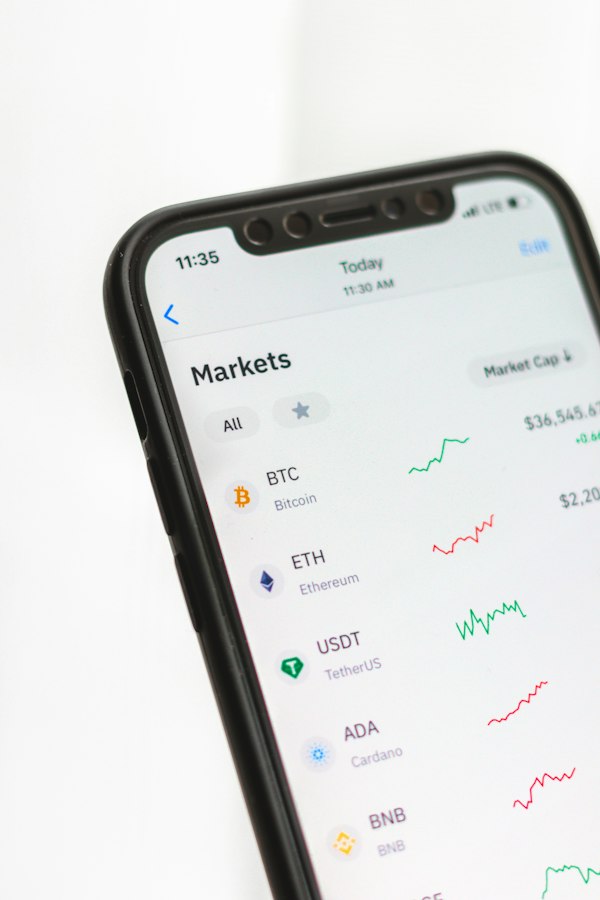
# Market Reaction: Crypto Turmoil and Stock Market Shifts Following the FBI's revelations, the cryptocurrency market experienced immediate turmoil. Bitcoin, which had been hovering around the ₹5,500,000 mark, dipped by nearly 10% within hours of the news breaking. Ethereum and Solana followed suit, reflecting investor fears and uncertainties. This sharp decline in prices is a reminder of the volatility that characterizes the crypto market, making it essential for investors to stay informed and prepared.
On the Indian stock markets, the Nifty 50 index and BSE Sensex showed a mixed response, with some tech stocks witnessing a pullback due to their exposure to blockchain technology or cryptocurrencies. For instance, shares of companies like Wipro and Infosys, which have been investing in blockchain solutions, saw downward pressure, impacting overall market sentiment. However, traditional asset classes like fixed deposits (FDs) and mutual funds, especially equity mutual funds, remain attractive options for risk-averse investors seeking stability amid such fluctuations.
# Implications for Indian Investors: Navigating the Uncertainty For Indian investors, the implications of North Korea’s alleged involvement in the Binance hack are multi-faceted. Firstly, the RBI and SEBI may ramp up their scrutiny of crypto transactions, potentially leading to more stringent regulations. This could impact the ease with which investors can transact in cryptocurrencies and could further influence the market dynamics.
Moreover, as the Indian government contemplates a regulatory framework for cryptocurrencies, events like the Binance hack could accelerate this process. Investors should be prepared for possible tax implications and compliance requirements if new regulations are enacted. As of now, investing in cryptocurrencies remains a gray area, and clarity from regulatory bodies is crucial for protecting investors.
# What to Watch Next: Key Indicators for Investors As the situation develops, several indicators will be crucial for investors to monitor: 1. **Regulatory Changes**: Keep an eye on any announcements from the RBI or SEBI regarding cryptocurrency regulations. A clear framework could either bolster investor confidence or impose restrictions. 2. **Market Trends**: Watch the performance of major cryptocurrencies like BTC and ETH. A rebound could signal a recovery, while continued volatility may necessitate a reevaluation of investment strategies. 3. **Geopolitical Developments**: North Korea’s actions in the cyber realm could have broader implications for global security and economic stability. Investors should consider how these geopolitical factors might influence market sentiment. 4. **Technological Advancements**: Stay updated on advancements in blockchain technology and security measures that exchanges like Binance are implementing to protect users.
# What Should You Do? Here are a few actionable takeaways for Indian investors looking to navigate this evolving landscape: - **Diversify Your Portfolio**: While cryptocurrencies may offer high returns, they come with significant risks. Consider diversifying your investments across traditional assets such as mutual funds, FDs, and equities. - **Stay Informed**: Regularly check reliable news sources and updates from regulatory bodies to understand the shifting landscape of cryptocurrency regulations in India. - **Review Your Crypto Holdings**: If you’re invested in cryptocurrencies, it might be prudent to review your portfolio. Assess whether the volatility aligns with your risk tolerance and investment goals. - **Consult Financial Advisors**: Given the complexities surrounding cryptocurrencies, consulting with financial advisors who understand both traditional and digital assets can provide personalized insights and strategies.
In a financial world that is increasingly intertwined with technology and geopolitics, staying ahead of these developments will be key to making informed investment decisions. As an Indian investor, being proactive and informed can help you navigate the uncertain waters of cryptocurrencies and beyond.
Disclaimer: This article is for informational purposes only and does not constitute financial advice. Please consult a fee-only CFP or SEC-registered investment advisor before making investment decisions.


