Why the Gold-Silver Selloff is Weighing on Bitcoin: Insights for U.S. Investors
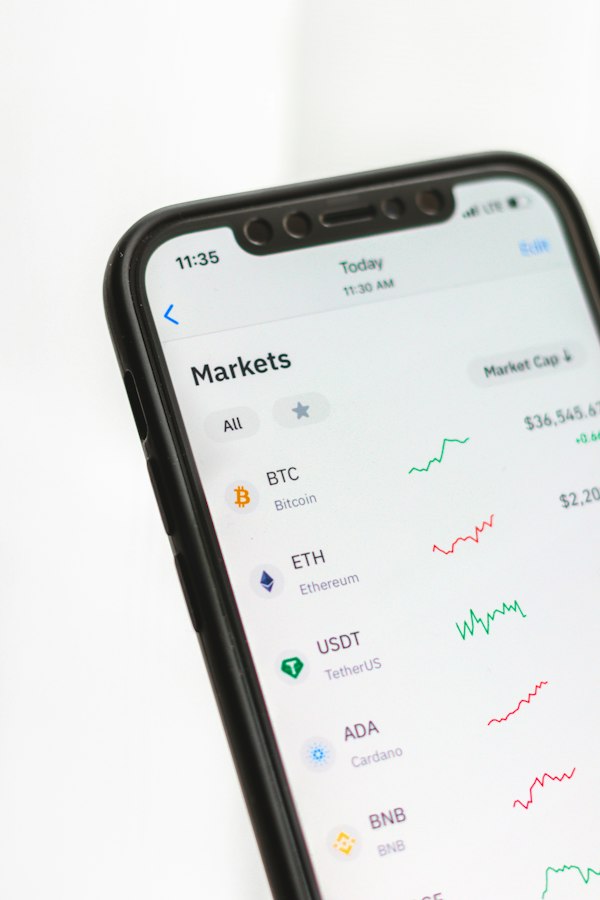
Recent market dynamics reveal a notable selloff in gold and silver, which is inadvertently dragging Bitcoin down. Understanding this trend is crucial for U.S. investors looking to navigate the intertwined world of traditional and digital assets.
# Background/Context The financial landscape is ever-evolving, and the recent volatility in precious metals has sent ripples through the cryptocurrency market, particularly Bitcoin. Traditionally, gold and silver have been seen as safe-haven assets, providing a buffer against economic uncertainty. However, the recent downturn in their prices has raised eyebrows and led to speculation about its effects on other asset classes, including Bitcoin.
As of late October 2023, gold prices have dipped below ₹52,000 per 10 grams, while silver has retraced to ₹64,000 per kilogram. This trend follows a broader narrative of rising U.S. Treasury yields and a strengthening U.S. dollar, which typically pressures precious metal prices. With the Reserve Bank of India (RBI) maintaining a cautious stance on inflation and interest rates, these factors have created a perfect storm affecting not just local investors but also international ones looking at markets like India.
# What Happened The connection between the selloff in gold and silver and Bitcoin is not immediately obvious, yet it’s rooted in investor psychology and market sentiment. When gold and silver prices fall, it often indicates a shift in risk appetite. Investors might be reallocating their portfolios, moving away from low-yield assets like precious metals towards higher-risk assets, including cryptocurrencies.
However, in this instance, the selloff has been swift and severe, leading to significant short-term losses across the board. Bitcoin, which is often seen as a digital gold, has not escaped unscathed. Trading around ₹5.3 million per Bitcoin at its peak earlier this month, the cryptocurrency has since seen a decline to approximately ₹4.9 million, reflecting a drop of nearly 7%.
# Market Reaction Market reactions to the precious metals selloff were immediate and pronounced. The Nifty 50 index, which serves as a benchmark for Indian equities, fell by approximately 1.5% on the day following the selloff, indicating a broader risk-off sentiment among investors. The Bombay Stock Exchange (BSE) also mirrored this trend, with several sectors—including banking and consumer goods—facing pressure due to rising yields and inflation concerns.
Cryptocurrency exchanges witnessed heightened volatility, with trading volumes for Bitcoin spiking as investors attempted to gauge the market's direction. The fear of further declines led many traders to liquidate positions, contributing to the downward spiral in prices. According to CoinMarketCap, trading volumes for Bitcoin reached a staggering $50 billion in a single day, showcasing the heightened market activity amid uncertainty.
# Implications for Indian Investors For Indian investors, the implications of this selloff are multifaceted. With the RBI keeping a close eye on inflation, any sustained decline in gold and silver may prompt a reconsideration of investment strategies. Traditionally, Indian investors have favored gold, especially during festival seasons, and a prolonged downturn may lead to a shift towards other assets.
Moreover, the selloff in gold and silver could signal a change in the investment landscape. With the recent trends, many investors could see Bitcoin as an alternative, albeit a riskier one. The Securities and Exchange Board of India (SEBI) has been increasingly vocal about the need for regulatory clarity in the cryptocurrency space, which could either bolster or hinder investor confidence.
# What to Watch Next As we move forward, several key indicators will shape the investment landscape: 1. **U.S. Treasury Yields**: Continued increases in U.S. Treasury yields may further pressure precious metals and, by extension, Bitcoin. 2. **RBI Policy Decisions**: The RBI's upcoming monetary policy decisions will be pivotal. Any changes in interest rates can significantly affect gold and silver prices, influencing Bitcoin indirectly. 3. **Global Economic Sentiment**: As geopolitical tensions fluctuate and economic conditions evolve, the overall investor sentiment will play a crucial role in determining the future trajectory of all these asset classes.
# What Should You Do? For U.S. investors looking to navigate this volatile environment, consider the following actionable steps: - **Diversify Your Portfolio**: Ensure that your investments are spread across various asset classes, including equities, precious metals, and cryptocurrencies to mitigate risks associated with market downturns. - **Monitor Macroeconomic Indicators**: Keep an eye on U.S. Treasury yields and inflation rates, as they can provide valuable insights into market trends that may affect precious metals and Bitcoin. - **Stay Informed on Regulatory Developments**: Pay attention to updates from SEBI and other regulatory bodies regarding cryptocurrencies. Regulatory clarity can significantly influence market sentiment. - **Utilize Systematic Investment Plans (SIPs)**: For investors interested in mutual funds, consider SIPs to manage volatility and average out your investment costs over time. This strategy can be particularly useful in turbulent market conditions.
By staying informed and strategic, U.S. investors can effectively navigate the complexities of the current financial landscape, capitalizing on opportunities while managing potential risks.
Disclaimer: This article is for informational purposes only and does not constitute financial advice. Please consult a fee-only CFP or SEC-registered investment advisor before making investment decisions.


