Why Holding Bitcoin Is Better Than Timing the Market: Insights for Indian Investors
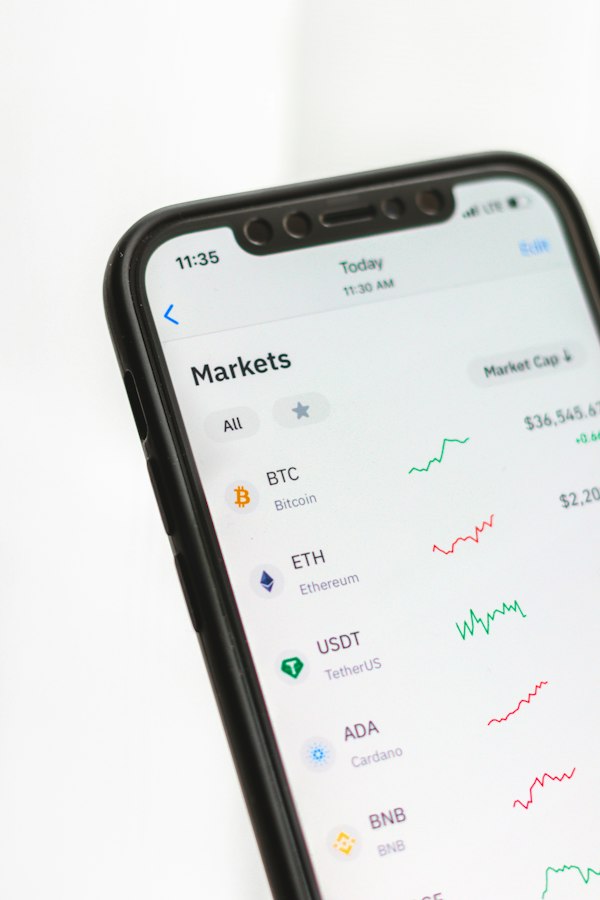
As Bitcoin continues to capture headlines, experts emphasize the advantages of a buy-and-hold strategy over market timing. With India's regulatory landscape evolving, understanding this approach is critical for Indian investors looking to navigate the crypto landscape.
# Background/Context Bitcoin's journey from a niche digital asset to a mainstream investment has been nothing short of remarkable. As of October 2023, Bitcoin has seen significant price fluctuations, with its value hovering around ₹5,500,000 (approximately $66,000). In India, where the Reserve Bank of India (RBI) and the Securities and Exchange Board of India (SEBI) maintain a watchful eye on cryptocurrencies, this digital currency has piqued the interest of both seasoned investors and novices alike.
While the Indian government continues to develop a regulatory framework for cryptocurrencies, the narrative around Bitcoin often revolves around whether timing the market can yield better returns than simply holding onto the asset. Market timing implies buying low and selling high—a strategy that sounds appealing but is fraught with challenges, particularly in the volatile world of cryptocurrencies. Experts suggest that adopting a long-term buy-and-hold strategy may be the more prudent choice for investors looking to navigate this complex landscape.
# What Happened According to a recent report from CoinDesk, cryptocurrency analysts have weighed in on the ongoing debate between market timing and a buy-and-hold strategy. The consensus among these experts is that the volatility of cryptocurrencies like Bitcoin makes timing the market exceedingly difficult. Historical data reveals that over the past five years, Bitcoin's price has experienced extreme swings—peaking at nearly ₹8,300,000 (approximately $100,000) in late 2021 before plummeting to lows of around ₹3,000,000 ($36,000) in mid-2022.
The report highlights that investors who attempt to sell during market highs and buy during lows often miss significant price movements, resulting in lower overall returns. For example, if you had invested in Bitcoin at the beginning of 2018 and held onto it through the market's highs and lows, your investment would have appreciated substantially, despite the wild fluctuations in between. Experts argue that this reinforces the adage: “Time in the market beats timing the market.”
# Market Reaction The Indian stock market has been closely observing the trends in Bitcoin and other cryptocurrencies, especially given the anticipated regulations by the RBI and SEBI. As of October 2023, the Nifty 50 index has been displaying signs of volatility, mirroring the sentiments surrounding cryptos. While traditional investments like Fixed Deposits (FDs) yield a stable but modest return (around 5-6% per annum), cryptocurrencies present a more dynamic alternative—albeit with higher risks.
Moreover, as the global economy shows signs of inflation and traditional asset classes face uncertainty, retail investors in India are increasingly looking to diversify their portfolios. This is particularly evident in the growing popularity of Systematic Investment Plans (SIPs) in mutual funds, which allow investors to invest small amounts at regular intervals—a strategy that mirrors the buy-and-hold approach in crypto investments.
# Implications for Indian Investors For Indian investors, the implications of adopting a buy-and-hold strategy for Bitcoin are profound. Firstly, it aligns with a long-term investment philosophy that many financial advisors advocate. Despite the RBI's cautious stance on cryptocurrencies, the increasing adoption of Bitcoin among institutional investors globally is a signal that it is becoming an integral part of modern portfolios.
Additionally, Bitcoin's finite supply of 21 million coins creates a scarcity that could drive up prices in the long run. This is crucial for Indian investors, who often consider gold and real estate as primary investment vehicles. Bitcoin's unique characteristics as a digital asset may offer a compelling alternative. Furthermore, with the Indian rupee's depreciation against the US dollar, Bitcoin could also serve as a hedge against currency risks, reinforcing the arguments for holding rather than trading.
# What to Watch Next As we look ahead, several factors could influence the future of Bitcoin and the broader cryptocurrency market in India. Regulatory clarity is paramount; any announcements from the RBI or SEBI regarding cryptocurrency regulations could significantly impact investor sentiment and market dynamics. For instance, if the government lays out a clear framework, it could pave the way for increased institutional adoption of cryptocurrencies, further legitimizing their role in investment portfolios.
Moreover, investors should keep an eye on global macroeconomic trends, including interest rates, inflation, and geopolitical developments, as these factors will likely affect Bitcoin's pricing dynamics. Lastly, technological advancements in blockchain and cryptocurrency infrastructure may also play a role in shaping future investment landscapes.
# What Should You Do? 1. **Consider Dollar-Cost Averaging**: Just like SIPs in mutual funds, consider investing a fixed amount in Bitcoin at regular intervals to mitigate the risk of price volatility. 2. **Educate Yourself on Regulations**: Stay updated on the RBI and SEBI’s guidelines regarding cryptocurrencies to make informed investment decisions moving forward. 3. **Diversify Your Portfolio**: While Bitcoin may be an exciting investment, ensure your portfolio includes a mix of traditional assets and other alternative investments to balance risk and return. 4. **Adopt a Long-Term Mindset**: Resist the temptation to react to short-term market fluctuations. Focus on the long-term potential of Bitcoin and consider it as a part of your overall investment strategy.
In navigating this evolving landscape, adopting a buy-and-hold strategy for Bitcoin could position Indian investors to leverage potential long-term gains while minimizing the stress of trying to time the market. As the regulatory environment stabilizes and more investors enter the market, embracing this strategy may indeed be the way forward for many looking to enter the world of cryptocurrencies.
Disclaimer: This article is for informational purposes only and does not constitute financial advice. Please consult a fee-only CFP or SEC-registered investment advisor before making investment decisions.


