What the Delay on the Crypto Clarity Act Means for Indian Investors
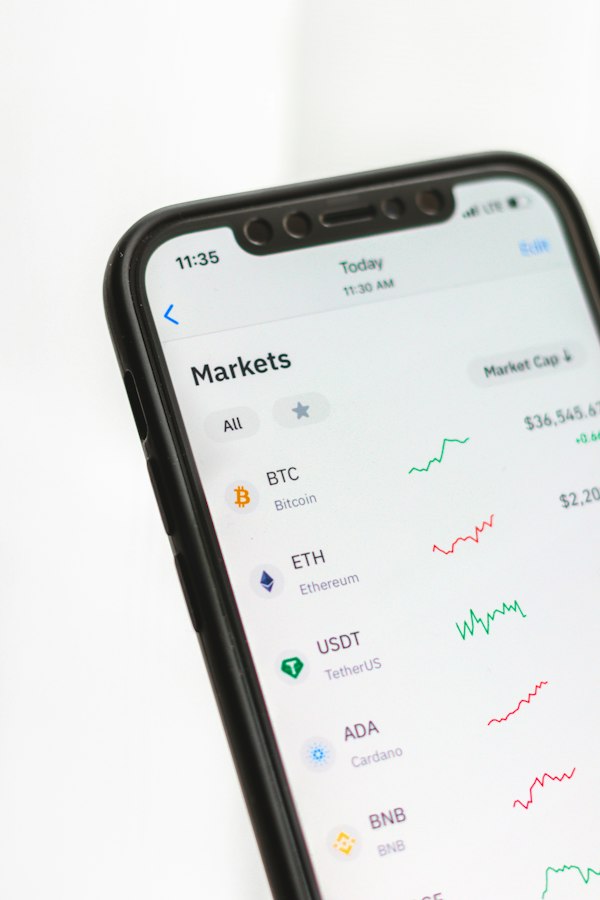
The recent announcement that the Senate won't vote on the Crypto Clarity Act before its summer break has left many wondering about the future of cryptocurrencies in the US and beyond. For Indian investors, this could have significant implications, particularly as the Reserve Bank of India (RBI) and other regulatory bodies continue to shape the landscape of digital assets in India.
As we navigate through the intricate web of global finance, the recent news that the US Senate has decided not to vote on the much-anticipated Crypto Clarity Act before taking its summer break has stirred quite a buzz. This legislation aimed at providing a clearer regulatory framework for cryptocurrencies is seen as a pivotal moment for the digital asset landscape in the United States. However, for Indian investors, this development is not just an American affair; it has wider implications that could ripple through the Indian markets. Let’s break this down.
# Background: The Growing Need for Clarity
In recent years, cryptocurrencies have gone from being a niche asset class to a mainstream investment option. Bitcoin and Ethereum, the leaders in this digital realm, have seen explosive growth, with Bitcoin's price recently touching ₹6,000,000 before correcting back to around ₹5,000,000. As these digital currencies gain traction, the need for regulatory clarity becomes paramount.
In the US, the Crypto Clarity Act is designed to define the legal status of digital assets, easing the regulatory burden on investors and companies alike. Many experts believe that clear regulations could encourage institutional investment in cryptocurrencies, which, in turn, could lead to more robust market stability. The lack of clarity has left many investors skittish as they navigate a landscape riddled with regulatory uncertainty.
Meanwhile, in India, the Reserve Bank of India (RBI) has remained cautious, issuing guidelines that have often left investors confused. The Indian government has been contemplating legislation around cryptocurrencies, but as of now, the regulatory environment remains ambiguous. This backdrop makes the developments in the US particularly important for Indian investors who are keen on digital assets.
# What Happened: Senate's Decision
Initially, the Crypto Clarity Act was expected to be a staple on the Senate's agenda before their summer recess. However, with various competing legislative priorities and an increasingly polarized political environment, the Senate has opted to push this act to the back burner.
This delay has been met with disappointment from many in the crypto community, who saw this as a golden opportunity to establish a regulatory framework that could potentially stabilize prices and encourage institutional investment. According to a recent survey conducted by the Blockchain Association, nearly 75% of crypto investors in the US believed that clearer regulations would boost their investments.
# Market Reaction: A Mixed Bag
The news of the Senate's decision has had a mixed impact on the cryptocurrency market. Bitcoin, for instance, witnessed a slight dip of around 3% following the announcement, although it has managed to recover some of those losses as traders speculate on future price movements. Ethereum and other altcoins also experienced volatility, reflecting the uncertainty that comes with regulatory delays.
Indian investors keeping an eye on these developments may have felt a ripple effect in the domestic markets. The Nifty 50 index, which includes several companies with exposure to blockchain technology, saw a minor decline, down approximately 0.5%. This suggests that even though the domestic regulatory environment is separate from that of the US, global sentiment plays a significant role in shaping market trends.
# Implications for Indian Investors
So, what does this mean for Indians interested in cryptocurrencies? The delay in the US Senate could have several implications:
1. **Regulatory Risk**: The lack of a coherent regulatory framework in the US could mean increased volatility in global prices. Indian investors may want to consider this when making decisions about investing in cryptocurrencies.
2. **Investment Strategies**: For those engaged in systematic investment plans (SIPs) in mutual funds that have exposure to tech stocks or blockchain companies, the uncertainty in the US could mean re-evaluating their risk profiles. Investors should consider diversifying their portfolios to mitigate risk.
3. **Local Developments**: The RBI continues to explore its digital currency options, and with the ongoing discussions around a central bank digital currency (CBDC), Indian investors need to stay informed about local developments.
4. **Opportunity for Growth**: While regulatory delays can be disheartening, they also present opportunities for savvy investors. As prices fluctuate, skilled traders can find ways to capitalize on these movements.
# What to Watch Next
As we move forward, several factors will be critical for investors in both India and the US. Watch for: - **Future Legislative Moves**: Keep an eye on any new developments regarding the Crypto Clarity Act. An eventual vote could shape the future of crypto regulation in America. - **RBI’s Digital Currency Initiatives**: The RBI’s progress on its digital currency pilot could influence the crypto landscape in India. - **Market Trends**: Watch for fluctuations in Bitcoin and Ethereum prices, as they often serve as barometers for the overall crypto market.
# What Should You Do?
1. **Stay Informed**: Keep up with both the US and Indian regulatory developments related to cryptocurrencies. Subscribing to financial news outlets or platforms like PaisaIQ could help. 2. **Diversify Your Portfolio**: If you have investments in cryptocurrencies, consider balancing them with traditional assets like fixed deposits (FDs) or equity-based mutual funds, especially those less influenced by crypto volatility. 3. **Evaluate Risk Tolerance**: If you're new to crypto, assess your risk tolerance carefully. The volatility can lead to significant gains, but it can also result in substantial losses. 4. **Engage in Education**: Before making any investment, educate yourself about how cryptocurrencies work, the technology behind them, and the potential risks involved.
In a rapidly changing financial landscape, staying informed and adaptable is key. The developments surrounding the Crypto Clarity Act may be just one piece of the puzzle, but it’s a crucial piece nonetheless. For Indian investors, the intersection of US regulations and local frameworks will be vital to monitor as they navigate the world of cryptocurrencies.
Disclaimer: This article is for informational purposes only and does not constitute financial advice. Please consult a fee-only CFP or SEC-registered investment advisor before making investment decisions.


