What Soft Core Inflation Means for Cryptocurrency in India: Bitcoin Holds Strong Amidst Market Volatility
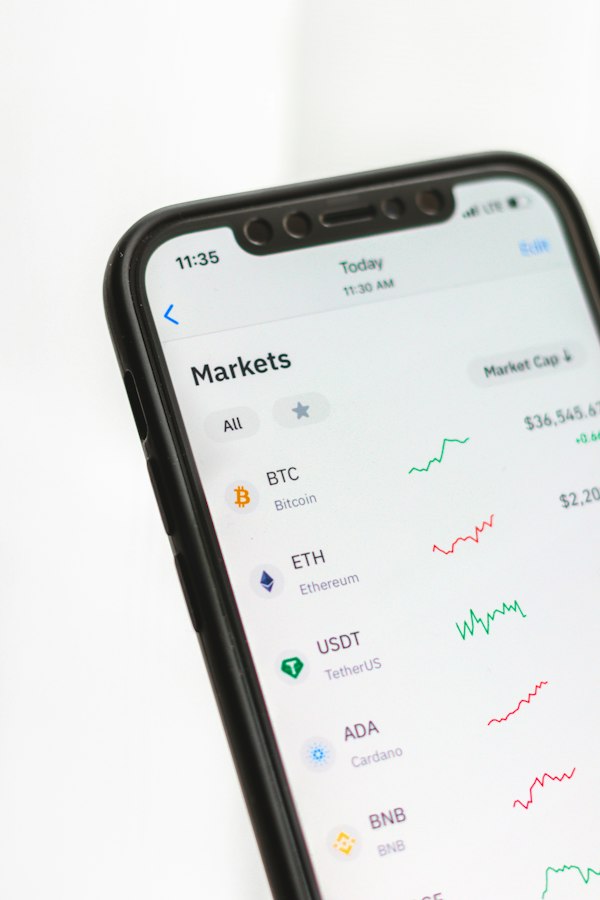
Recent trends in soft core inflation have created ripples in the cryptocurrency market, with Bitcoin emerging as the standout performer. For Indian investors, understanding this dynamic is crucial as it impacts not just crypto, but broader financial strategies in the current economic landscape.
# Background/Context The cryptocurrency market has always been a rollercoaster ride, influenced by a myriad of factors ranging from regulatory changes to macroeconomic indicators. In recent weeks, soft core inflation in major economies, including the US, has caught the attention of investors. Soft core inflation, as defined by many analysts, refers to the rise in the prices of goods and services excluding volatile items like food and energy. It's often a sign of underlying economic stability and can lead to shifts in monetary policy. For Indian investors, this is particularly important as it reflects the RBI's stance on interest rates and money supply.
Inflation data is closely monitored by central banks worldwide, including the Reserve Bank of India (RBI). The RBI's current repo rate stands at 6.50%, and any fluctuations in inflation can directly influence its monetary policy. Historically, Indian investors have viewed inflation trends as critical indicators for their investment decisions, especially when it comes to asset classes like equities, fixed deposits (FDs), and mutual funds. With the inflationary landscape changing, the ripple effects on various investment avenues are significant.
# What Happened In the wake of the latest inflation reports from the US, Bitcoin has once again reasserted its position in the cryptocurrency hierarchy. The soft core inflation data led to a speculative rally in the crypto markets, where Bitcoin surged by approximately 5%, while Ethereum and other altcoins did not fare as well. Over the past week, Bitcoin's price fluctuated around ₹5,300,000, with some bullish predictions suggesting it could aim for the ₹6,000,000 mark if the upward momentum continues.
This recent bounce in Bitcoin's price can be attributed to a combination of factors. Investors are increasingly viewing Bitcoin as a hedge against inflation, similar to gold, especially in the context of soft core inflation trends. Furthermore, institutional interest in Bitcoin has been on the rise, with notable players like MicroStrategy and Tesla continuing to accumulate assets, which adds to the confidence in its long-term viability.
# Market Reaction The overall market reaction has been mixed. While Bitcoin managed to hold its ground, the broader cryptocurrency market saw Ethereum struggling, with its value stagnating around ₹340,000, reflecting a lack of enthusiasm among investors for altcoins in the current climate. The National Stock Exchange (NSE) and Bombay Stock Exchange (BSE) have also reacted, with the Nifty 50 and Sensex indices showing volatility amid the crypto buzz. The Nifty 50 index, for instance, dipped slightly by 0.3% as traditional investors weighed the implications of the crypto surge against the backdrop of a potentially tightening monetary policy.
However, the Indian cryptocurrency exchanges, like WazirX and CoinDCX, reported increased trading volumes, suggesting that Indian retail investors are keenly interested in Bitcoin's performance. A report by the Blockchain and Crypto Assets Council (BACC) indicated that over 15 million Indians have invested in cryptocurrencies, with a substantial percentage focusing on Bitcoin.
# Implications for Indian Investors For Indian investors, the implications of this recent trend are profound. Firstly, the positive movement in Bitcoin's price could encourage more retail investors to enter the crypto market, thereby increasing the overall liquidity. This influx can lead to price stability and potentially more favorable trading conditions.
Furthermore, as the RBI continues to monitor inflation and its impact on economic growth, investors should remain vigilant about policy changes that may affect not just crypto investments, but also traditional assets. The RBI's stance on cryptocurrencies is still evolving, and there remains uncertainty about regulations.
Investors also need to consider how inflation trends affect other investment vehicles. Mutual funds, particularly those focused on equities, may see increased volatility as investors recalibrate their strategies. Systematic Investment Plans (SIPs) in equity mutual funds might become even more attractive during inflationary periods, as they can provide averaging benefits.
# What to Watch Next Going forward, investors should keep an eye on the upcoming inflation reports and any comments from the RBI regarding monetary policy. These factors will likely influence not just crypto but also equities, bonds, and other asset classes. Additionally, watch for any potential regulatory announcements from the RBI concerning cryptocurrencies, as they could significantly impact market sentiment.
Crypto investors should also consider diversifying their portfolios. While Bitcoin has shown resilience, relying solely on one asset class can be risky. Allocating a portion of your funds to traditional investments like FDs or mutual funds can provide a buffer against market volatility.
# What Should You Do? 1. **Stay Informed**: Keep an eye on inflation trends and RBI announcements, as these will impact your investment strategies in both crypto and traditional markets. 2. **Diversify Your Portfolio**: Consider spreading your investments across different asset classes. A balanced approach can help mitigate risks associated with market volatility. 3. **Evaluate SIPs**: If you haven’t already, consider investing in mutual funds through SIPs, especially those focused on equities, as they can provide benefits during inflationary periods. 4. **Monitor Bitcoin's Performance**: Keep track of Bitcoin's price movements and market sentiment; if it continues to show strength, it may be worth increasing your exposure.
The evolving landscape of inflation and its impact on cryptocurrency is a crucial area for Indian investors to navigate. With careful strategy and informed decision-making, you can optimize your investment outcomes in this dynamic environment.
Disclaimer: This article is for informational purposes only and does not constitute financial advice. Please consult a fee-only CFP or SEC-registered investment advisor before making investment decisions.


