Wall Street's Tokenized Future: What SEC's New Proposal Means for Indian Investors
The SEC's latest move to propose a tokenized stock framework signifies a transformative shift in the investment landscape, not just in the U.S. but globally. As Indian investors eye the implications, understanding this evolution can help them navigate their portfolios more effectively.
# Background: The Rise of Tokenization
The financial world is abuzz with the concept of tokenization, a process that converts ownership of real-world assets into digital tokens on a blockchain. This development is particularly relevant as the U.S. Securities and Exchange Commission (SEC) is gearing up to propose a framework that could allow tokenized stock trading on Wall Street. For Indian investors, who are already familiar with the burgeoning fintech space and the rise of digital assets in the country, this could represent a significant opportunity to diversify their portfolios.
Tokenization could potentially democratize access to investments, making it easier for small investors to buy fractions of high-value assets. The Reserve Bank of India (RBI) and the Securities and Exchange Board of India (SEBI) have been closely monitoring these developments, as they could influence the regulatory landscape for similar innovations in India.
# What Happened: SEC's Proposal
According to a report by Bloomberg, the SEC's proposal aims to create a regulatory framework for tokenized stocks, which would function similarly to traditional equities but be traded on a blockchain. This would enable greater liquidity, faster settlement times, and lower transaction costs, which can significantly benefit investors.
The proposed framework is still in its infancy, but it underscores the SEC's recognition of the growing demand for digital assets. With major players on Wall Street already exploring this avenue, including firms like Fidelity and Citadel Securities, the momentum is shifting towards a broader acceptance of tokenized assets.
# Market Reaction: Wall Street and Beyond
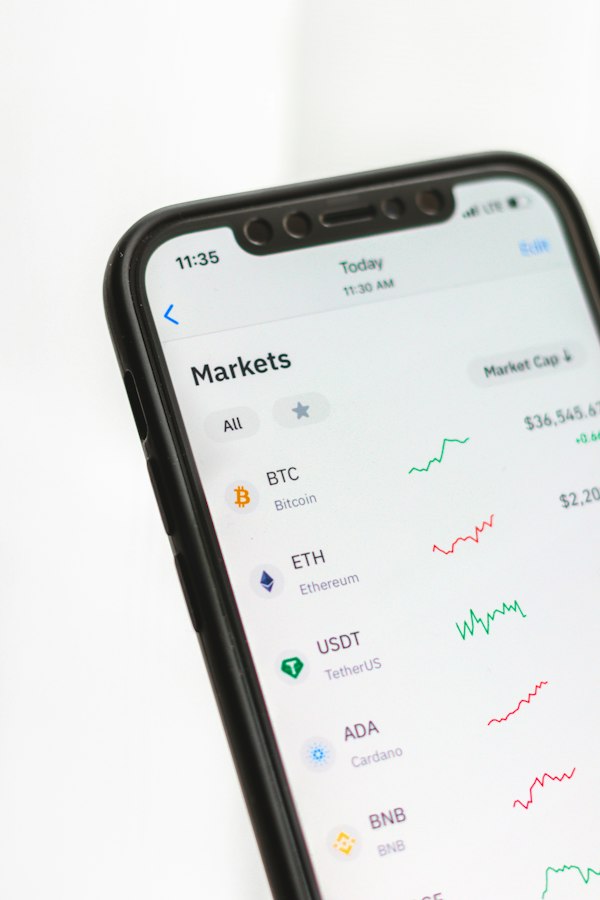
The initial reaction from Wall Street has been cautiously optimistic. Major indices like the S&P 500 and Dow Jones saw minor fluctuations following the announcement, reflecting the nervousness as investors weigh the long-term implications of such regulatory changes. However, sectors related to blockchain and cryptocurrencies experienced a surge, with Bitcoin climbing past the $30,000 mark, and Ethereum following suit.
In India, the benchmark indices BSE Sensex and Nifty 50 showed resilience amidst global cues. Investors are increasingly keen to understand how these international developments can affect local markets. As the Indian market has witnessed a boom in digital assets and fintech innovations, the SEC's initiatives could also lead to competitive regulations from SEBI in the future.
# Implications for Indian Investors
For Indian investors, the SEC's proposal could have multifaceted implications. Firstly, tokenized stocks could present new investment avenues that offer fractional ownership, allowing investors to diversify their portfolios without the need for substantial capital outlays.
Moreover, with the RBI's focus on integrating digital currencies and the growing popularity of Systematic Investment Plans (SIPs) in mutual funds, there is a clear trend towards embracing technological advancements in finance. If tokenization gains traction in the U.S., SEBI may expedite its regulatory framework for similar products, enhancing the overall investment landscape in India.
However, it is crucial for Indian investors to remain cautious. The regulatory landscape for digital assets is still evolving, and investor protections must be prioritized to prevent potential scams and market manipulation.
# What to Watch Next
As the SEC moves forward with its proposal, Indian investors should keep an eye on several key developments: 1. **Regulatory Updates**: Watch for announcements from SEBI regarding any plans to adopt or adapt tokenization frameworks for Indian markets. 2. **Market Performance**: Monitor how major U.S. and Indian indices react to further developments in tokenization, as investor sentiment will likely fluctuate based on regulatory clarity. 3. **Emerging Technologies**: Stay informed about advancements in blockchain technology and their applications in finance, particularly regarding how they could impact existing investment vehicles like mutual funds and fixed deposits (FDs). 4. **Alternative Investments**: As tokenized stocks gain popularity, consider exploring platforms that may offer access to these assets, ensuring you understand the associated risks and benefits.
# What Should You Do? - **Do Your Research**: Before jumping into any new investment vehicle, especially in the rapidly evolving digital asset space, ensure you have a solid understanding of the risks and potential rewards. - **Diversify Wisely**: With tokenized assets on the horizon, consider diversifying your investment portfolio to include a mix of traditional and emerging assets. - **Stay Updated**: Follow credible news sources and financial advisors to remain informed about regulatory changes and market trends that could affect your investments. - **Consult Financial Advisors**: If you're unsure about how to incorporate tokenized investments into your portfolio, seeking advice from financial experts can help you make informed decisions.
While the SEC's proposal for tokenized stocks could reshape the investment landscape, its ripple effects will be felt far beyond U.S. borders. For Indian investors, staying ahead of the curve will be critical in navigating this new chapter in financial markets.
Disclaimer: This article is for informational purposes only and does not constitute financial advice. Please consult a fee-only CFP or SEC-registered investment advisor before making investment decisions.


