Understanding the U.S. Senate's Stance on Crypto Regulations: Insights for Indian Investors
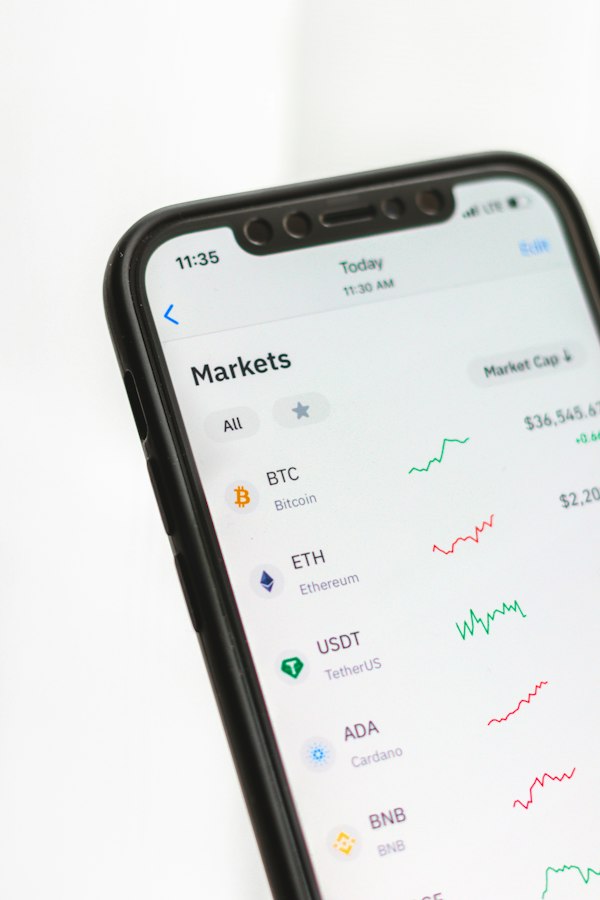
The U.S. Senate's latest discussions on cryptocurrency regulations signal a significant shift that Indian investors should keenly observe. With governments worldwide tightening their grip on digital currencies, it's crucial to understand the implications for the Indian market and how to navigate these changes effectively.
# Background/Context The cryptocurrency landscape has rapidly transformed over the last few years, both globally and in India. With the rise of Bitcoin, Ethereum, and a plethora of altcoins, the debate around regulation has intensified. In the United States, Senate Democrats have been at the forefront of discussions regarding how to regulate the burgeoning crypto sector. Their recent victory in shaping crypto regulations presents a crucial moment not just for American investors, but also for those in India, where the Reserve Bank of India (RBI) and the Securities and Exchange Board of India (SEBI) are still formulating their approach toward digital currencies.
Historically, the RBI has maintained a cautious stance on cryptocurrencies, even going so far as to implement a banking ban in 2018, which was later overturned by the Supreme Court in 2020. Meanwhile, SEBI has been looking into regulating cryptocurrency exchanges and initial coin offerings (ICOs), echoing similar concerns raised by global counterparts.
# What Happened The White House recently expressed support for the Senate Democrats' regulatory framework on cryptocurrencies, emphasizing the need for a balanced approach that protects investors while fostering innovation. This framework aims to impose stricter regulations on cryptocurrency transactions, particularly focusing on transparency and consumer protection. While this might seem like a U.S.-centric development, the ripple effects are likely to be felt in Indian markets.
The Senate's victory revolves around establishing clear guidelines for cryptocurrencies, including taxation, anti-money laundering measures, and consumer protection. Considering that the global crypto market cap has surged to around $2 trillion, with Bitcoin alone accounting for nearly 40% of that, such regulations could reshape market dynamics.
# Market Reaction The market has responded to the Senate's developments with a mix of optimism and caution. In the immediate aftermath, Bitcoin's price fluctuated around ₹45 lakh ($54,000), reflecting a broader sentiment that tighter regulations could lend legitimacy to cryptocurrencies in the long term. Meanwhile, Ethereum and other altcoins experienced similar volatility, suggesting that traders are weighing the potential benefits of regulations against the fear of increased compliance costs.
In India, this news has brought renewed attention to exchanges such as WazirX and CoinDCX, which have seen a surge in trading volumes. The Nifty 50 index, while not directly influenced by crypto, has also shown resilience against global market pressures, indicating that Indian investors are increasingly diversifying their portfolios to include digital assets.
# Implications for Indian Investors For Indian investors, the developments in U.S. crypto regulations carry significant implications. Firstly, the increasing acceptance of cryptocurrency as an asset class may encourage more Indian investors to explore this market. With the Nifty 50 hitting new highs and mutual funds witnessing substantial inflows through Systematic Investment Plans (SIPs), the interest in alternative investments is palpable.
Moreover, as the RBI and SEBI advance their regulatory frameworks, Indian investors should prepare for potential taxation on crypto gains, mirroring what the U.S. Senate is proposing. This could mean a shift in how cryptocurrencies are treated in the Indian financial ecosystem, making it essential for investors to stay updated on compliance requirements.
Additionally, as the global narrative around cryptocurrencies evolves, local players in the Indian market may start adopting best practices from their U.S. counterparts. This could lead to better security measures in exchanges and increased investor confidence, which is vital for the maturation of the Indian crypto market.
# What to Watch Next As these developments unfold, several key factors will be crucial for Indian investors to monitor: 1. **Regulatory Updates from RBI and SEBI**: Keep an eye on announcements from the RBI and SEBI regarding their stance on cryptocurrencies. Any news regarding taxation policies or protective measures for investors could have immediate effects on the market. 2. **Market Trends in the U.S.**: The response of crypto markets in the U.S. to regulatory changes will serve as a bellwether for global trends. Investors should pay attention to how Bitcoin and altcoins react, as these trends often have a direct correlation with Indian markets. 3. **Adoption Rates Among Retail Investors**: Watch for increases in crypto adoption among retail investors in India. As platforms enhance their user experience and security, more individuals may opt to invest in cryptocurrencies, driving demand. 4. **Technological Innovations**: Keep tabs on technological advancements within the crypto ecosystem, such as developments in blockchain technology or improvements in smart contracts, which may affect the market landscape.
# What Should You Do? 1. **Stay Informed**: Regularly check updates from regulatory bodies like the RBI and SEBI. Understanding the evolving legal landscape is crucial for making informed investment decisions. 2. **Diversify Your Portfolio**: If you haven't already, consider including cryptocurrencies in your investment portfolio. Given their growing acceptance, a small allocation could yield significant returns. 3. **Engage with Reliable Exchanges**: Choose reputable Indian exchanges with strong security measures and clear compliance with regulations to minimize risks. 4. **Educate Yourself**: Familiarize yourself with the technical aspects of cryptocurrencies. Understanding how they work will enable you to make better investment choices and recognize potential risks.
In summary, the developments from the U.S. Senate regarding cryptocurrency regulations are a pivotal moment in the global financial landscape. For Indian investors, this signals a critical time to reassess strategies and prepare for changes in the investment environment. As we navigate this evolving terrain, staying informed and proactive will be key to capitalizing on the opportunities that lie ahead.
Disclaimer: This article is for informational purposes only and does not constitute financial advice. Please consult a fee-only CFP or SEC-registered investment advisor before making investment decisions.


