Understanding the SEC's Delay on Innovation Exemption for Tokenization: Insights for Indian Investors
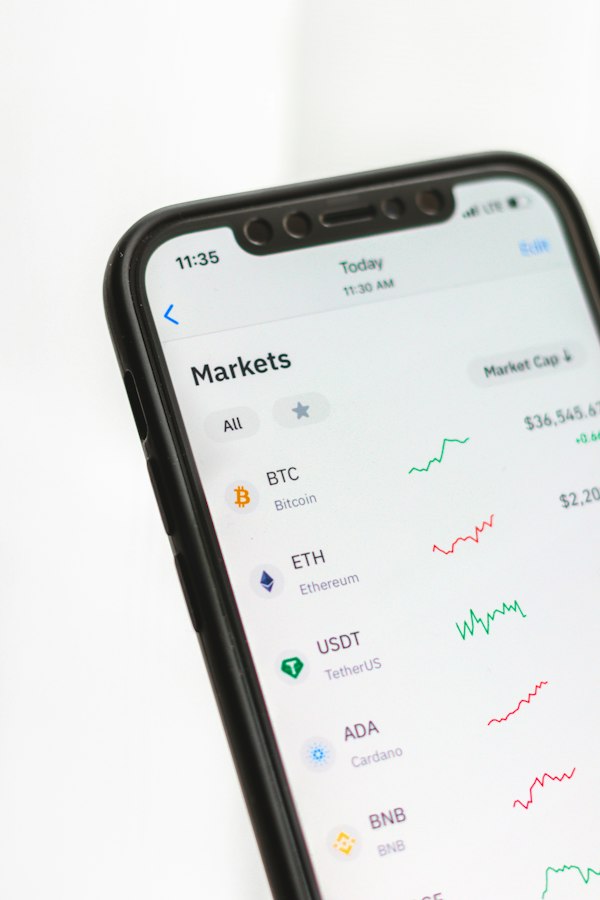
The U.S. SEC's decision to postpone its 'innovation exemption' for tokenization raises significant questions for global markets and Indian investors. With Wall Street and the White House expressing concerns, it's essential to unpack what this means for the Indian financial landscape.
# Background/Context The world of digital assets and tokenization has been a hotbed of innovation, spurred by a desire for greater transparency and efficiency in financial markets. Tokenization refers to the process of converting rights to an asset into a digital token on a blockchain, which can revolutionize how we think about ownership and investment. In the U.S., the Securities and Exchange Commission (SEC) has been scrutinizing the implications of tokenization more closely, especially in the context of existing regulatory frameworks.
Since the rise of cryptocurrencies like Bitcoin and Ethereum, regulators worldwide have been scrambling to catch up. The SEC's 'innovation exemption' was proposed to give certain digital tokens a temporary reprieve from being classified as securities, allowing for more flexibility in the burgeoning blockchain space. However, the SEC has recently decided to delay this exemption, primarily due to concerns raised by major stakeholders on Wall Street and from the White House, which has implications that resonate far beyond American borders, especially in a market as vibrant as India.
# What Happened On October 18, 2023, the SEC announced it would push back discussions surrounding the 'innovation exemption' for tokenization, a move that caught many investors by surprise. The SEC's Chair Gary Gensler has been a vocal advocate for stronger regulations in the cryptocurrency sector, arguing that the current frameworks are not adequately equipped to handle the rapid evolution of digital assets. With over 18% of Americans reportedly investing in cryptocurrencies, the implications of this delay are significant.
In India, where the Reserve Bank of India (RBI) has already been cautious about cryptocurrencies, this delay could signal a tightening of regulatory frameworks around digital assets. The RBI has previously expressed concerns about the potential for cryptocurrencies to facilitate illegal activities, further complicating the landscape for Indian investors who are increasingly leaning toward digital assets.
# Market Reaction Following the announcement, U.S. stock markets reacted predictively, with tech-heavy indices like the NASDAQ witnessing a dip. Investors are concerned about the uncertainty surrounding regulations in the cryptocurrency space, which has been a significant driver of market volatility. The Indian markets reflected similar sentiments — the Nifty and the Sensex experienced fluctuations as Indian investors weighed the potential implications of U.S. regulatory decisions on their own portfolios.
The BSE and NSE reported a slight uptick in the trading of traditional assets like mutual funds and fixed deposits (FDs), as some investors sought safety in familiar financial instruments amidst the uncertainty in the crypto markets. The Indian rupee (₹) also showed signs of stress, reflecting the broader global market sentiment.
# Implications for Indian Investors The SEC's delay has broader ramifications for Indian investors. The Indian financial ecosystem is already grappling with regulatory uncertainty, particularly in the cryptocurrency space. As the market becomes increasingly interconnected, decisions made by the SEC can influence not just American markets but also the Indian landscape.
For instance, if U.S. regulators impose stricter rules on tokenization, it could lead to a domino effect where Indian authorities, including the Securities and Exchange Board of India (SEBI) and the RBI, follow suit. This could dampen the enthusiasm for crypto investments in India, which has seen a surge in interest, particularly through systematic investment plans (SIPs) in mutual funds that include exposure to blockchain technologies.
Furthermore, Indian startups in the fintech space, which are exploring tokenization and blockchain solutions, may find it challenging to attract investment in such an uncertain regulatory environment. The ripple effect could stifle innovation and slow down the pace at which Indian investors can access new financial products.
# What to Watch Next As the situation evolves, here are a few key areas for Indian investors to keep an eye on:
1. **RBI and SEBI's Response:** Watch for announcements from the RBI and SEBI regarding their stance on cryptocurrencies and tokenization. Both bodies may issue statements that could clarify or further complicate the regulatory landscape in India. 2. **Global Market Trends:** The reaction of global markets to the SEC's decision will be telling. If volatility persists in the U.S. markets, Indian investors might feel the heat, especially in sectors tied closely to technology and innovation. 3. **Investment Strategies:** With the current ambiguity surrounding cryptocurrencies, investors might want to reassess their portfolios. Diversifying into more traditional assets like FDs and equities could serve as a hedge against potential downturns in the digital asset space. 4. **Educational Resources:** As regulations evolve, staying informed will be crucial. Engaging with educational resources and expert opinions can help investors navigate the complexities of tokenization and blockchain technology.
# What Should You Do? 1. **Stay Informed:** Keep an eye on the latest news regarding SEC decisions and Indian regulatory updates related to cryptocurrencies.
2. **Diversification is Key:** Consider diversifying your investment portfolio to include a mix of traditional and innovative assets, reducing risk exposure.
3. **Consult Financial Advisors:** Engage with financial advisors who understand both the Indian market and global trends to make informed investment decisions.
4. **Be Cautious with Crypto Investments:** If you're considering investing in cryptocurrencies, proceed with caution and ensure you understand the associated risks and the regulatory environment.
The SEC's decision to delay the 'innovation exemption' could set the stage for significant shifts in both American and Indian markets. As an investor, understanding these dynamics will be critical to navigating the evolving landscape of financial assets.
Disclaimer: This article is for informational purposes only and does not constitute financial advice. Please consult a fee-only CFP or SEC-registered investment advisor before making investment decisions.


