Understanding the Crypto Landscape: Delays and Opportunities in India
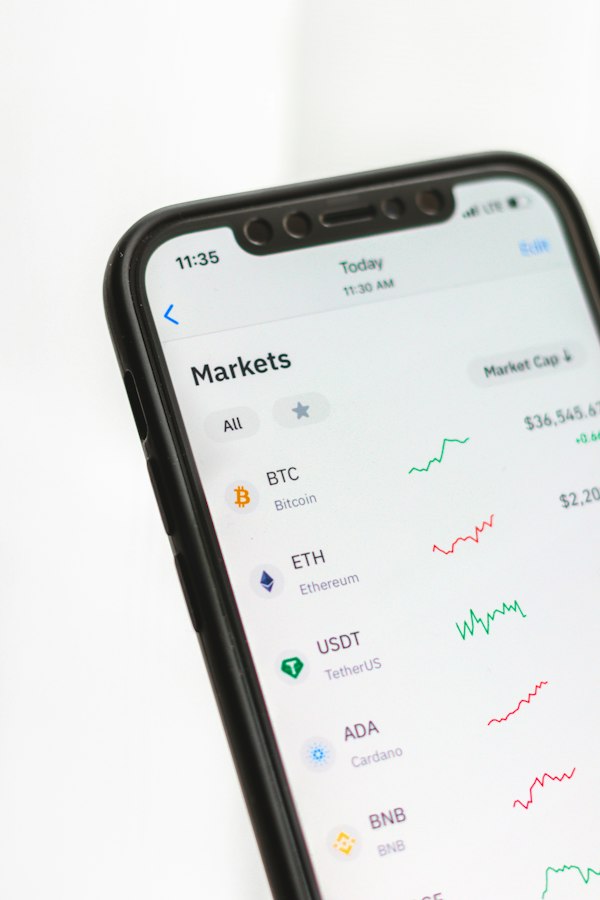
The recent regulatory delays in India's crypto framework could pave the way for a more structured investment environment. As investors await clarity, there are strategic opportunities to be explored in this evolving landscape.
# Background/Context: The Indian Crypto Conundrum
For years now, the Indian cryptocurrency market has been treading water in a sea of regulatory uncertainty. With the Reserve Bank of India (RBI) and Securities and Exchange Board of India (SEBI) grappling with how to approach this new digital asset frontier, investors have been left in limbo. The RBI's initial ban on cryptocurrency trading in 2018 was overturned by the Supreme Court in March 2020, but the haze around taxation, compliance, and broader regulatory frameworks remains thick.
As of now, India stands as one of the largest markets for cryptocurrency in terms of trading volume, with platforms like CoinDCX and WazirX leading the charge. According to a report by the Chainalysis Global Crypto Adoption Index, India ranks third globally for crypto adoption, indicating a clear appetite for digital assets among Indian investors. However, the lack of clear regulations has made many cautious about diving headfirst into this burgeoning market.
# What Happened: Regulatory Delays and Market Reactions
Recently, there have been discussions around the delay of a comprehensive crypto regulatory framework that was expected from the Indian government. Sources indicate that the proposed bill may not be introduced in Parliament until the current session concludes, which could push any potential regulation further down the line.
While this situation might appear grim at first glance, experts believe that the delay could actually serve as a blessing in disguise. It allows the government time to study global best practices and craft an approach that balances innovation with investor protection. A senior official at SEBI mentioned, "We are not against crypto; we are against any system that does not have safeguards in place."
This cautious approach is reflected in the market. Following the announcement of the delays, major cryptocurrencies like Bitcoin (BTC) and Ethereum (ETH) experienced fluctuations. Bitcoin, which recently hovered around ₹4.8 million ($60,000), saw a drop of approximately 5% in value, while Ethereum followed suit with a decline of about 4%. Such market movements are typical in response to regulatory news, as seen in past instances.
# Market Reaction: The Ripple Effect on Indian Investors
Indian investors have shown resilience despite the uncertainty. According to data from the National Stock Exchange (NSE) and Bombay Stock Exchange (BSE), there has been a noticeable increase in retail participation in crypto trading, with platforms reporting growth in user registrations by over 40% in the last quarter alone.
Interestingly, many investors are now considering diversifying their portfolios by incorporating cryptos alongside traditional investments like mutual funds and fixed deposits (FDs). Financial experts recommend a balanced approach, advising investors to allocate only a portion of their portfolio—perhaps 5-10%—to high-risk assets like cryptocurrencies while maintaining a solid base in more stable investments such as Systematic Investment Plans (SIPs) in equity mutual funds.
# Implications for Indian Investors: A Strategic Perspective
The current climate presents unique opportunities for Indian investors. While some may view the delays as a setback, they offer a chance for investors to reassess their strategies and adapt to the evolving landscape. Institutional interest in crypto is on the rise, with firms looking to enter the market as soon as regulatory clarity is achieved. According to a recent report by the Boston Consulting Group, the Indian crypto market could reach $5 billion by 2025, which underscores the potential growth.
Investors should also be wary of potential tax implications once regulations are established. The government has hinted at a more structured tax regime for cryptocurrencies, which could involve capital gains tax similar to that applied to stocks and mutual funds. Keeping abreast of these developments will be crucial for any investor aiming to navigate the future landscape effectively.
# What to Watch Next: Future Developments in Crypto Regulations
Looking ahead, here are some factors to monitor: 1. **Regulatory Announcements**: Any news from the RBI or SEBI regarding upcoming regulations will be pivotal. Investors should stay updated through reputable financial news platforms. 2. **Market Trends**: Watch out for shifts in cryptocurrency prices, especially as more institutional players enter the space. 3. **Investment Products**: Keep an eye on the development of crypto-focused investment products from mutual fund houses, which could emerge once a regulatory framework is established. 4. **Global Developments**: The international regulatory landscape, especially in G20 countries, will likely influence India’s approach to crypto. Observing how other nations adapt can provide insight into potential Indian policies.
# What Should You Do? 1. **Diversify Your Portfolio**: If you haven’t already, consider diversifying into cryptocurrencies while maintaining a strong foundation in traditional assets. 2. **Stay Informed**: Follow developments in the crypto regulatory framework closely. Knowledge is power, especially in a volatile market. 3. **Consult a Financial Advisor**: Given the complexities of the crypto market, speaking with a financial advisor can help tailor your investment strategy to your personal risk tolerance and goals. 4. **Invest in Education**: Take the time to educate yourself on blockchain technology and cryptocurrency. Understanding the mechanics will enhance your decision-making process.
The Indian crypto market is on the cusp of potential growth, and while the current regulatory landscape remains uncertain, being proactive and informed can help you navigate this exciting yet complex environment. As always, patience and strategy will be key to successful investing in any asset class, including cryptocurrencies.
Disclaimer: This article is for informational purposes only and does not constitute financial advice. Please consult a fee-only CFP or SEC-registered investment advisor before making investment decisions.


