Understanding the AMC Token Feud: Implications for Indian Investors in a Global Context
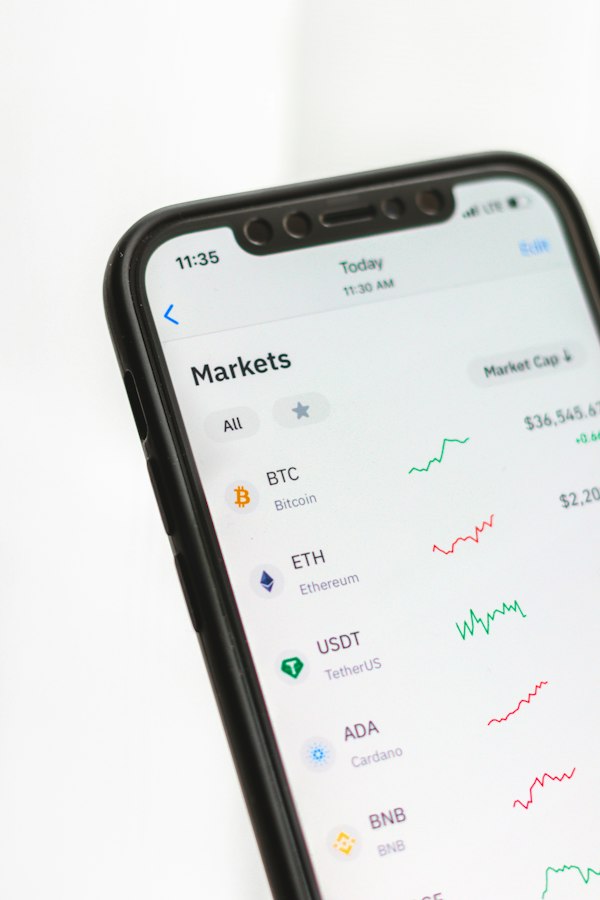
The ongoing AMC token feud underscores significant tensions between traditional finance and emerging cryptocurrency markets. As Robinhood’s CEO weighs in, Indian investors must stay informed about these developments to navigate their portfolios effectively.
# Background/Context The financial world is witnessing a seismic shift, one that blends traditional investing with the burgeoning domain of cryptocurrencies. The recent feud involving AMC Entertainment and Robinhood is a classic case of this evolution, highlighting the clashing interests of established financial institutions and the new wave of digital assets. In a letter to the U.S. Securities and Exchange Commission (SEC), Robinhood’s CEO, Vlad Tenev, argued against allowing companies to have veto power over stock tokens, particularly referencing AMC. This situation opens a Pandora's box of questions regarding the future of trading mechanisms, investor rights, and regulatory frameworks.
For Indian investors, it’s crucial to understand the implications of these global shifts. The Reserve Bank of India (RBI) and the Securities and Exchange Board of India (SEBI) are closely monitoring international trends, especially as they pertain to the evolving landscape of digital currencies and securities. Their past interventions in similar matters serve as a reminder of the need for vigilance and adaptability in investment strategies.
# What Happened The AMC situation began when the company announced its plans to create stock tokens based on its shares. This move was met with criticism and concern from Robinhood, a platform popular among retail investors for its no-commission trading model. Robinhood’s contention is that allowing companies to exercise veto rights over tokenized shares introduces a level of control that could stifle innovation and limit investor autonomy. Tenev insists that the right for companies to veto stock tokens effectively undermines the decentralized ethos of blockchain technology, which many see as essential for the future of finance.
In a statement, Tenev said, "We believe no company should have the power to determine how their shares are traded, especially not in a tokenized format that promises greater accessibility and democratization of finance." This battle isn’t just a corporate squabble; it represents a critical juncture at which innovative technology meets regulatory frameworks designed for a different era.
# Market Reaction The market response to this feud has been mixed. AMC's stock experienced volatility, reflecting investor sentiment caught between traditional valuation metrics and the speculative allure of cryptocurrencies. On the Bombay Stock Exchange (BSE) and National Stock Exchange (NSE), shares of companies involved in tokenization and blockchain technology saw a noticeable uptick, with Nifty 50 stocks like Infosys and Tata Consultancy Services (TCS) demonstrating a positive correlation to broader market movements concerning digital assets.
The Indian rupee (₹) has also shown resilience amid this global uncertainty, currently trading at around ₹75 against the U.S. dollar. This stability can partly be attributed to the RBI’s ongoing efforts to manage inflation and support the economy through measures like the recent interest rate cuts, which have made Fixed Deposits (FDs) less attractive compared to equities and mutual funds.
# Implications for Indian Investors For Indian investors, the implications are significant. The current debate over stock tokens is indicative of a larger trend towards digital assets. With the SBI Mutual Fund and HDFC Mutual Fund both showing increased interest in blockchain technology, it is clear that Indian financial institutions are preparing for a future where digital assets play a critical role.
Moreover, the rise of Systematic Investment Plans (SIPs) in mutual funds remains a popular choice among Indian investors, with nearly ₹10,000 crore invested through SIPs in September 2023 alone. As interest in tokenized assets grows, it will be essential for investors to keep a close eye on regulatory changes from SEBI and the RBI. These institutions are likely to implement new guidelines that could shape the Indian cryptocurrency landscape.
Experts such as Nilesh Shah, Managing Director at Kotak Mutual Fund, emphasize the importance of diversification. "Investors should not only stick to traditional equities or mutual funds but also consider the potential of digital assets, provided they are willing to navigate the associated risks," he advises. As the global financial environment continues to evolve, the lines between traditional and digital assets will blur, necessitating a flexible investment approach.
# What to Watch Next As this situation unfolds, Indian investors should keep a keen eye on several factors. The regulatory stance of SEBI on tokenized assets will be pivotal. Any forthcoming guidelines could either open doors for new investment avenues or impose restrictions that may hinder growth in this sector.
Furthermore, the performance of companies linked to tokenization will be crucial. Investors should monitor stocks that are integrating blockchain technology into their business models, as these could potentially outperform the broader market.
Lastly, the global regulatory environment will play a significant role in shaping Indian policies. The RBI's ongoing dialogues with international regulators about cryptocurrency could lead to significant changes in how digital assets are viewed and regulated in India.
# What Should You Do? 1. **Stay Informed**: Regularly follow updates from SEBI and the RBI regarding regulations on digital assets to adapt your investment strategies accordingly. 2. **Diversify Your Portfolio**: Consider allocating a portion of your investments to mutual funds that focus on technology and digital assets, as they may yield better returns in the evolving market landscape. 3. **Evaluate Risk**: Assess your risk tolerance before investing in cryptocurrencies or tokenized assets. Ensure that these investments align with your financial goals and risk appetite. 4. **Watch for Opportunities**: Keep an eye on stocks and companies innovating in blockchain technology. These firms are likely to see growth as the market adapts to new financial instruments.
By understanding the intricacies of this ongoing debate and its implications, Indian investors can position themselves strategically in an ever-changing financial landscape, preparing not just for current opportunities but also for the future of investing.
Disclaimer: This article is for informational purposes only and does not constitute financial advice. Please consult a fee-only CFP or SEC-registered investment advisor before making investment decisions.
More News

Navigating the AI Landscape: OpenAI's IPO Decision and Its Implications for Indian Investors
5 min read

Larry Ellison's Stock Sale Cancellation: Implications for Indian Markets and Investors
5 min read

Navigating the India-China Relationship: Modi’s Vision for Peace and Prosperity
5 min read