Trump's Directive on Crypto Access: What It Means for Indian Investors
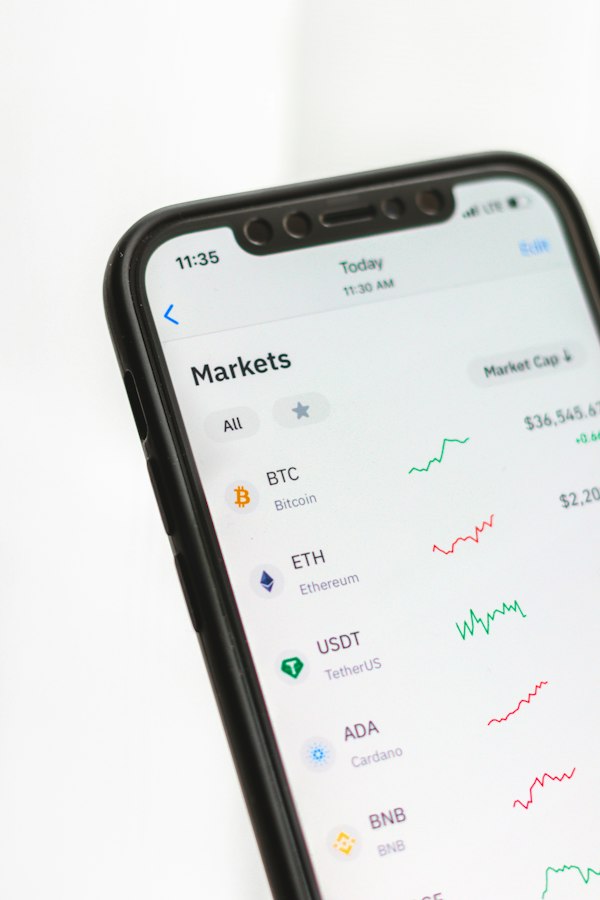
Former President Trump's recent directive for the U.S. government and the Federal Reserve to reassess cryptocurrency firms' access to payment systems has stirred the financial waters. For Indian investors, this signals potential shifts in global crypto regulation that could impact market dynamics back home.
# Background: The Growing Intersection of Politics and Cryptocurrency
Cryptocurrency has moved from the fringes of finance to a mainstream topic of discussion, not just in India but globally. In the United States, former President Donald Trump has reignited the debate with his recent directive for a review of cryptocurrency firms' access to payment rails. This comes at a pivotal time when the Reserve Bank of India (RBI) is examining its own stance on digital currencies, and the Securities and Exchange Board of India (SEBI) is ramping up regulatory oversight on investment vehicles related to cryptocurrencies.
While the global crypto market has been experiencing fluctuations, the U.S. has remained a hotbed for innovation in this space. With the likes of Bitcoin and Ethereum making headlines almost daily, the implications of U.S. policy on cryptocurrencies can ripple across the world, including to Indian shores.
# What Happened: A Closer Look at Trump's Directive
On a recent occasion, Trump voiced concerns about cryptocurrencies, labeling them a threat to the U.S. dollar. His directive instructs agencies, including the Federal Reserve and the Treasury Department, to evaluate how cryptocurrency companies access payment systems, which could lead to tighter regulations.
The crux of this review is whether these firms should have easier access to traditional banking systems. Currently, many crypto firms navigate a complex web of regulations, and this scrutiny could lead to significant changes in how these companies operate. Trump's administration was known for its ambivalence toward cryptocurrencies, often favoring traditional financial institutions over digital ones.
This directive is not just a bureaucratic exercise; it could lead to real implications for how cryptocurrencies are treated under U.S. law, impacting anything from taxation to transaction fees.
# Market Reaction: Immediate and Long-term Impacts
The immediate reaction in the cryptocurrency market was one of volatility. Bitcoin, which recently hovered around ₹5,000,000 ($60,000), dipped by nearly 10% after the announcement, reflecting investor anxiety regarding regulatory crackdowns. Ethereum and other altcoins followed suit, showing similar declines. Such reactions are not uncommon in the crypto market, which is known for its sensitivity to news, particularly regulatory changes.
However, the Indian market has shown resilience, with platforms like WazirX and CoinDCX continuing to attract both retail and institutional investors. Major Indian exchanges are keeping a close eye on U.S. developments, as global trends often influence local sentiment.
# Implications for Indian Investors: Navigating a Changing Landscape
For Indian investors, Trump's directive is a double-edged sword. On one side, it highlights the increasing scrutiny of the crypto market, which could lead to more stability in the long term as regulations become clearer. On the flip side, any adverse regulatory outcomes in the U.S. could lead to global market sell-offs, impacting Indian investors’ portfolios.
The RBI has taken a cautious approach toward cryptocurrencies, with its earlier attempts at banning them being overturned by the Supreme Court in 2020. Investors should remain vigilant as regulatory frameworks evolve and adapt their investment strategies accordingly. The potential for stricter regulations in the U.S. might encourage a similar approach by Indian regulators, creating a more challenging environment for cryptocurrency investments.
# What to Watch Next: The Path Ahead
As we look ahead, several key developments warrant attention: 1. **Regulatory Changes in the U.S.**: Keep an eye on announcements from the Federal Reserve and Treasury regarding their findings. This could shape the landscape for cryptocurrencies globally. 2. **RBI and SEBI Actions**: Any shifts in policy from the RBI or SEBI regarding cryptocurrencies could significantly affect the Indian market and investor sentiment. 3. **Market Trends**: Observe how cryptocurrencies react not only to U.S. regulations but also to economic indicators like inflation rates and interest rate changes, particularly as the U.S. Federal Reserve navigates its monetary policy. 4. **Indian Investment Vehicles**: The introduction of regulated investment vehicles such as ETFs or mutual funds that include cryptocurrencies could open new avenues for Indian investors.
# What Should You Do?
1. **Stay Informed**: Regularly check updates from credible financial news sources about U.S. regulations on cryptocurrencies and their potential impact on global markets. 2. **Diversify Investments**: Consider a diversified portfolio that includes traditional assets, like equities and fixed deposits (FDs), alongside crypto investments to mitigate risks. 3. **Consult Financial Advisors**: Engage with financial advisors who understand both Indian and U.S. markets to craft strategies that account for regulatory risks. 4. **Use Systematic Investment Plans (SIPs)**: If you're considering entering the crypto space, use SIPs for mutual funds that invest in cryptocurrency-related assets to spread out risk.
In summary, while Trump’s directive may have immediate ramifications for the cryptocurrency market, the long-term implications for Indian investors could be profound. Adapting to these changes and staying ahead of market trends will be crucial for navigating this evolving landscape.
Disclaimer: This article is for informational purposes only and does not constitute financial advice. Please consult a fee-only CFP or SEC-registered investment advisor before making investment decisions.


