Tokenization and Personalized Portfolios: A Game Changer for Indian Investors
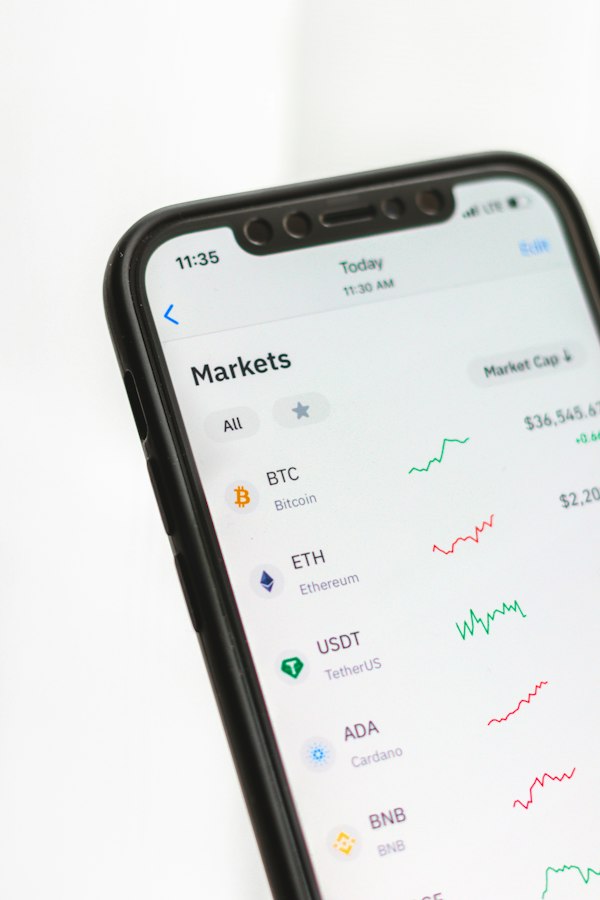
As the financial world pivots towards tokenization, Indian investors stand on the brink of a major transformation in how they manage portfolios. NYLIM's insights highlight an exciting future where personalized investing meets blockchain technology, reshaping the landscape for retail and institutional investors alike.
# Background/Context Tokenization is steadily emerging as a revolutionary concept in the finance world, particularly in India, where the Reserve Bank of India (RBI) and the Securities and Exchange Board of India (SEBI) are increasingly exploring innovative financial technologies. The Indian stock market, characterized by its dynamic growth and burgeoning interest in fintech, is evolving to accommodate new investment paradigms. As traditional investment vehicles like mutual funds and systematic investment plans (SIPs) remain popular, investors are also keenly observing how blockchain technology can enhance their portfolios.
The conversation around tokenization reached new heights recently with insights shared by Christopher Blosser, an executive at New York Life Investment Management (NYLIM). His remarks shed light on the potential use cases of tokenization in creating personalized investment portfolios, a development that could fundamentally alter how Indian investors approach their financial planning.
# What Happened Blosser emphasized that tokenization can facilitate a more personalized investment strategy, allowing for custom-tailored portfolios that meet the specific needs and risk appetites of individual investors. This approach is especially relevant in a country like India, where the diversity of investor profiles is vast. From risk-averse individuals preferring fixed deposits (FDs) to aggressive young investors looking at equity markets through diversified mutual funds, the scope for personalization is immense.
Tokenization essentially converts physical assets or financial instruments into digital tokens on a blockchain, making them easier to trade and manage. This process not only democratizes access to various asset classes but also enhances liquidity and transparency. For Indian investors, this means more opportunities to diversify their portfolios beyond traditional equities and bonds, potentially including real estate, commodities, or even art, all fractionated into manageable token units.
# Market Reaction The Indian stock markets reacted positively to the idea of tokenization. Following Blosser's comments, the Nifty 50 index saw a slight uptick, reflecting investor optimism about new innovations in the financial sector. Trading volumes in cryptocurrencies, particularly Bitcoin and Ethereum, which have been on a rollercoaster ride, surged as discussions about broader adoption of blockchain technology gained traction.
Investment firms and analysts are also noting the potential for tokenization to create a ripple effect across various sectors. For instance, the National Stock Exchange (NSE) and Bombay Stock Exchange (BSE) are likely to consider integrating tokenization into their existing frameworks, making it more accessible for retail and institutional investors alike. According to Deepak Jasani, Head of Retail Research at HDFC Securities, “If embraced properly, tokenization can significantly enhance the operational efficiency of our markets, leading to lower costs for investors and faster transactions.”
# Implications for Indian Investors The implications of this trend are profound. For retail investors in India, the ability to customize portfolios through tokenization means moving beyond the one-size-fits-all approach that has characterized many mutual fund offerings. Imagine being able to construct a portfolio that includes not just stocks, but also tokenized real estate or precious metals, all held in a digital wallet. This could represent a significant shift in how Indian investors perceive asset allocation and risk management.
Moreover, the RBI is currently exploring a central bank digital currency (CBDC), which could merge with tokenization efforts to streamline transactions and reduce fraud. The potential for a seamless transition between traditional currencies and digital assets opens new avenues for financial inclusivity in India. Additionally, this shift could attract foreign investment as Indian markets become more integrated with global asset classes through tokenization.
# What to Watch Next As we move forward, there are several key developments to keep an eye on: 1. **Regulatory Framework**: The RBI and SEBI are expected to release guidelines on the use of blockchain and tokenization in financial markets. Investors should stay updated on these regulations, which will shape the landscape of personalized investments. 2. **Technological Adoption**: Watch for financial institutions in India to begin adopting blockchain technology in their operations. The pace of innovation in this space will determine how quickly tokenization becomes mainstream. 3. **Market Education**: As tokenization gains traction, educational initiatives will be crucial. Investors will need to understand the risks and benefits of tokenized assets, including volatility and regulatory uncertainties. 4. **Emergence of New Investment Platforms**: Several fintech startups are likely to emerge, enabling investors to easily access tokenized portfolios. Keeping tabs on these platforms will reveal new investment opportunities.
# What Should You Do? - **Educate Yourself**: Familiarize yourself with the concepts of blockchain and tokenization. Resources like webinars and financial courses can provide valuable insights. - **Diversify Your Portfolio**: Consider how tokenization could fit into your investment strategy. Look for platforms that may offer tokenized assets once they become available in India. - **Stay Updated**: Keep an eye on regulatory developments from the RBI and SEBI regarding blockchain and tokenization, as these will directly affect your investment options. - **Consult with Experts**: Engage with financial advisors who understand the implications of these new technologies and can help tailor your investment strategy accordingly.
The future of investing in India is undeniably becoming more complex yet exciting, and being informed will position you advantageously as these changes unfold. As tokenization begins to take root, it could redefine how we think about assets and investment in a rapidly evolving financial landscape.
Disclaimer: This article is for informational purposes only and does not constitute financial advice. Please consult a fee-only CFP or SEC-registered investment advisor before making investment decisions.


