The Complicated Landscape of Russian Stablecoins: A Deep Dive for US Investors
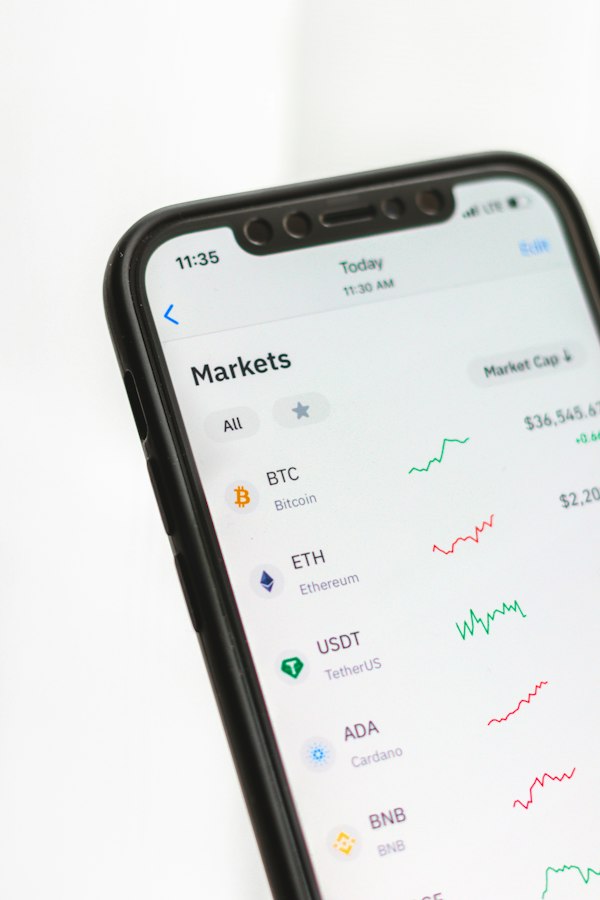
Recent claims from a Russian stablecoin about processing billions have raised eyebrows among blockchain analysts, who cast doubt on its legitimacy. For US investors eyeing emerging markets like India, understanding this narrative is crucial amid the ongoing discussion around cryptocurrency regulations.
# Background: Stablecoins and Their Role in Global Finance Stablecoins have emerged as a pivotal component of the cryptocurrency ecosystem, serving as a bridge between the volatile world of cryptocurrencies and traditional fiat currencies. Their appeal lies in their ability to maintain a stable value, often pegged to a currency like the US dollar or commodities. In India, the Reserve Bank of India (RBI) has been cautious about cryptocurrencies, focusing instead on the development of the Digital Rupee while keeping an eye on global trends. As countries like Russia explore stablecoins, it adds complexity to the already intricate landscape of global finance, particularly for investors in emerging markets like India.
# What Happened? Recently, a Russian stablecoin—reportedly backed by the Russian government—claimed to process transactions in the billions. However, blockchain analysts have questioned these assertions, suggesting that the actual activity may be far less than reported. The stablecoin, which aims to facilitate cross-border transactions, is being scrutinized for its transparency and regulatory compliance. The Russian government's push for a digital currency comes amid increasing sanctions from Western nations, which further complicates its adoption.
# Market Reaction The Indian markets, particularly the National Stock Exchange (NSE) and Bombay Stock Exchange (BSE), reacted to news of this stablecoin amid fluctuating sentiments surrounding cryptocurrencies. The Nifty 50 index saw a marginal dip of about 0.5% on the day following the announcement, reflecting investor caution. Analysts suggest that the Indian markets are particularly sensitive to international news, especially regarding regulatory aspects of emerging technologies like blockchain. As the Securities and Exchange Board of India (SEBI) continues to deliberate on a regulatory framework for cryptocurrencies, news like this can impact investor sentiment, pushing many to reevaluate their positions in mutual funds and SIPs tied to technology and innovation sectors.
# Implications for Indian Investors For US investors with interests in the Indian market, the developments surrounding Russian stablecoins underscore the importance of understanding global regulatory environments. Given India's current stance towards cryptocurrencies—where the RBI remains skeptical, and SEBI is navigating its guidelines—investors should proceed with caution. The Indian rupee (₹) continues to be volatile against major currencies, influenced by global events, including those surrounding Russian economic policies.
Moreover, this situation raises questions about the future of cryptocurrencies in India. While some investors have turned to mutual funds and fixed deposits (FDs) as safer investment avenues, the ongoing discussions on crypto regulations could lead to a more robust framework, potentially opening up new opportunities.
# What to Watch Next As the situation unfolds, keep an eye on a few key aspects: 1. **Regulatory Developments**: Watch for updates from SEBI and the RBI regarding the future of cryptocurrencies in India. Further clarity could significantly influence market dynamics. 2. **Market Sentiment**: Monitor investor behavior in response to international news, particularly how it affects domestic sectors in India. 3. **Technological Advancements**: The ongoing evolution of blockchain technology could spur new investment opportunities in sectors like fintech, especially as India adapts to global innovations. 4. **Global Economic Indicators**: Changes in the global economy, particularly in Russia, will continue to affect the Indian markets, especially if sanctions or trade policies shift.
# What Should You Do? 1. **Stay Informed**: Regularly follow updates on both global and Indian regulatory changes regarding cryptocurrencies. Subscribe to trusted financial news platforms to get timely information. 2. **Diversify Your Portfolio**: If you're considering investments related to cryptocurrencies or tech, ensure you maintain a diversified portfolio to mitigate risks. 3. **Consult a Financial Advisor**: If you're unsure about investing in volatile markets, consulting with a financial advisor who understands both US and Indian markets can provide personalized guidance. 4. **Consider Long-term Investments**: Given the volatility, focus on long-term investments in stable sectors while being mindful of emerging trends in technology and finance.
Understanding these dynamics and keeping a close watch on developments can help US investors navigate the complex landscape surrounding cryptocurrencies and emerging markets like India.
Disclaimer: This article is for informational purposes only and does not constitute financial advice. Please consult a fee-only CFP or SEC-registered investment advisor before making investment decisions.


