The Clarity Act's Downfall: What It Means for India's Crypto Landscape
The recent dismissal of the Clarity Act has left many US investors questioning the future of cryptocurrency regulation, especially in emerging markets like India. As the Reserve Bank of India (RBI) and Securities and Exchange Board of India (SEBI) prepare to step in, it's essential to understand the implications for Indian investors and what to watch in the evolving landscape.
# Background/Context Cryptocurrency has been a hot topic over the past few years, with the global market witnessing a meteoric rise in asset prices and an influx of new investors. In India, the crypto journey has been particularly tumultuous, marked by regulatory uncertainty and shifting policies from key institutions like the Reserve Bank of India (RBI) and the Securities and Exchange Board of India (SEBI). The recent demise of the Clarity Act, intended to provide a framework for cryptocurrency regulation in the US, adds another layer of complexity to the global crypto landscape and raises questions about how similar frameworks will evolve in India.
# What Happened? The Clarity Act was introduced with the promise of establishing a comprehensive regulatory framework for cryptocurrencies in the United States, aiming to differentiate between various digital assets and provide clear guidelines for their use. However, it faced significant challenges and was ultimately sidelined due to political disagreements and concerns over its potential impact on innovation in the tech sector.
Its dismissal has left a vacuum that many investors, both in the US and abroad, are eager to fill. In India, where interest in cryptocurrencies has soared—especially among the youth—this development could have far-reaching consequences. With platforms like WazirX and CoinDCX leading the way, Indian investors are increasingly looking for clarity in a market characterized by speculation and volatility.
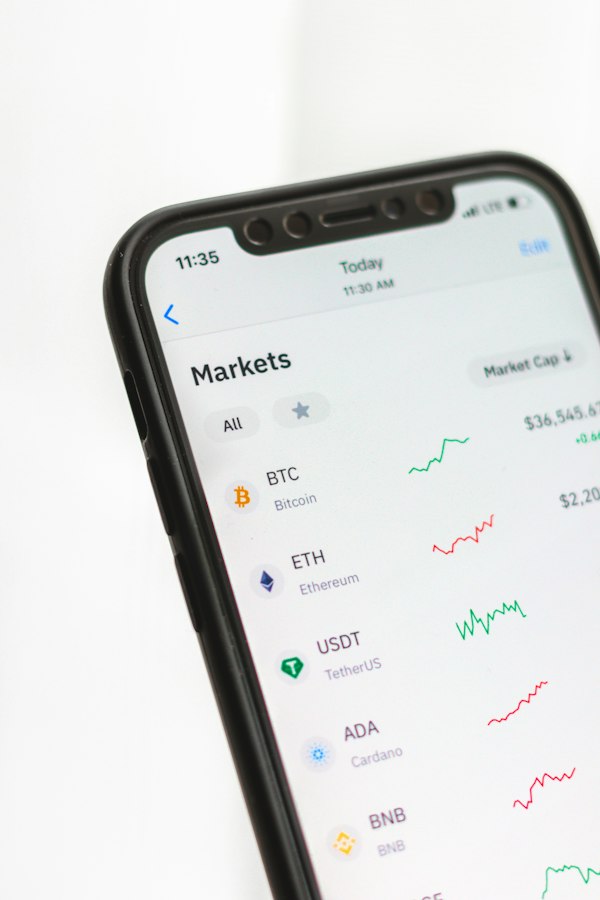
# Market Reaction Following the news of the Clarity Act's demise, the cryptocurrency market reacted swiftly. Bitcoin and Ethereum, two of the most prominent digital currencies, saw fluctuations in their prices. Bitcoin dipped to around ₹4,200,000 (approximately $51,000) before recovering slightly in subsequent days. Ethereum exhibited similar volatility, highlighting the sensitivity of these assets to regulatory news.
The Indian stock market, represented by indices like the Nifty 50 and Sensex, also felt the ripples of this development. While traditional equities have shown resilience, the uncertainty surrounding crypto regulation could lead to increased volatility in the stocks of companies involved in the blockchain and crypto sectors.
# Implications for Indian Investors For Indian investors, the implications of the Clarity Act's dismissal are multifaceted. First, it could lead to a more pronounced regulatory framework from the RBI and SEBI, which have been vocal about their concerns regarding the potential risks associated with cryptocurrencies. This means that investors might soon see more stringent rules governing trading practices, taxation, and consumer protection measures.
Additionally, with the RBI’s previous stance of caution—having banned banks from dealing in cryptocurrencies in 2018—there could be renewed discussions about formalizing the legal status of digital currencies. This could provide a much-needed safety net for investors and encourage institutional participation in the crypto market, which has been limited due to regulatory fears.
Moreover, the current economic climate in India, characterized by a strong push for digitalization and financial inclusion, may lead to innovative solutions and products. Mutual funds incorporating cryptocurrencies or blockchain technology could emerge, allowing retail investors to gain exposure in a regulated manner.
# What to Watch Next As we move forward, several key developments warrant attention from Indian investors: 1. **Regulatory Framework**: Watch for announcements from the RBI and SEBI regarding potential new regulations for cryptocurrencies. A clear framework could either bolster or hinder market growth, influencing investment strategies significantly. 2. **Market Performance**: Keep an eye on the performance of cryptocurrencies in response to global news and local regulations. The volatility seen recently may continue, providing both risks and opportunities for traders. 3. **Institutional Participation**: Watch for movements from institutional investors in India. A shift towards acceptance could signal a more stable future for the crypto market and inspire confidence among retail investors. 4. **Innovative Financial Products**: Financial institutions may develop new products, such as mutual funds or exchange-traded funds (ETFs) that include cryptocurrencies. This could provide Indian investors with avenues to invest in digital assets through regulated channels.
# What Should You Do? To navigate this evolving landscape, here are a few actionable takeaways for Indian investors: - **Stay Informed**: Regularly monitor news related to regulatory developments. Understanding the implications of these changes will help you make informed investment decisions. - **Diversify Investments**: Consider diversifying your portfolio beyond cryptocurrencies. Look into mutual funds, fixed deposits (FDs), and other traditional investment vehicles to balance risk. - **Engage with Experts**: Consult with financial advisors who are knowledgeable about both traditional and digital assets. They can provide insights tailored to your risk appetite and investment goals. - **Risk Management**: Establish a clear risk management strategy, especially in volatile markets like cryptocurrencies. Consider setting stop-loss orders to protect your investments during significant downturns.
As the crypto landscape continues to evolve, understanding the implications of regulatory changes will be crucial for investors. The future may hold both challenges and opportunities as India charts its path in the world of digital currencies.
Disclaimer: This article is for informational purposes only and does not constitute financial advice. Please consult a fee-only CFP or SEC-registered investment advisor before making investment decisions.


