State of Crypto: What Investors Need to Know After the SEC Meeting Fallout
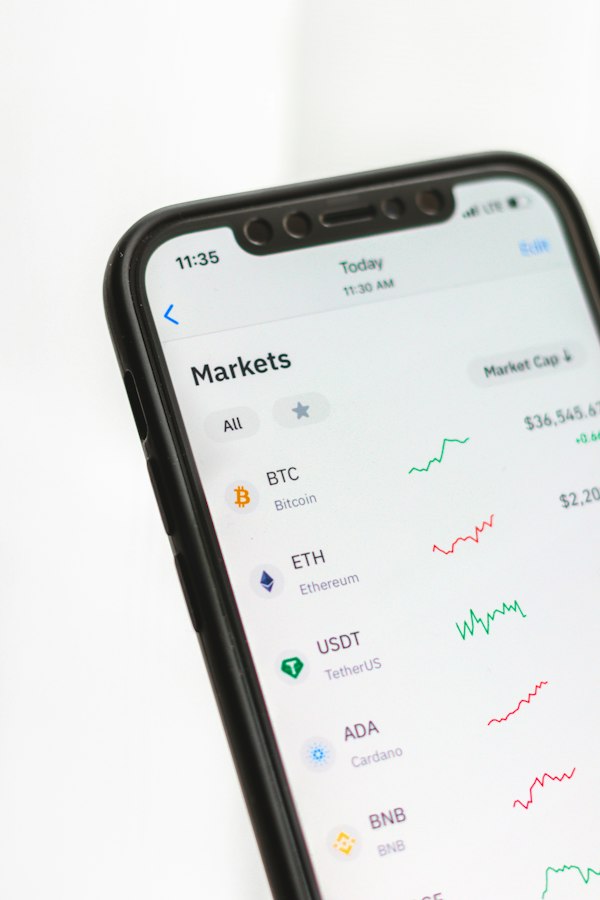
The recent SEC meeting left the crypto community buzzing, but the lack of clarity on regulations raises questions for U.S. and Indian investors alike. As cryptocurrencies like Bitcoin and Ethereum continue to gain traction, understanding the implications of regulatory uncertainty is crucial for making informed investment decisions.
# Background/Context In a landscape where innovations in technology and finance interweave, cryptocurrencies have emerged as a significant player. While the entire globe watches closely, the U.S. Securities and Exchange Commission (SEC) has often been the focal point of regulatory discussions surrounding digital assets. The SEC's role in defining how cryptocurrencies are classified—whether as securities or commodities—has profound implications not just for U.S. investors, but for the burgeoning Indian market as well.
India's crypto ecosystem has been expanding rapidly, with significant interest from retail investors. The Reserve Bank of India (RBI) has been cautious, emphasizing the risks associated with cryptocurrencies, while the Securities and Exchange Board of India (SEBI) has been working towards creating an appropriate regulatory framework. However, the recent SEC meeting—or lack thereof—has thrown a spotlight on the regulatory uncertainty that could ripple across global markets, including India.
# What Happened Recently, the SEC held a much-anticipated meeting that left many in the crypto community in a state of confusion. Instead of providing clarity on the regulatory framework, the meeting ended without any definitive statements or resolutions regarding the classification and regulation of cryptocurrencies. This lack of transparency has led to increased volatility in the market, with Bitcoin fluctuating around ₹4,600,000 ($57,000) and Ethereum hovering near ₹345,000 ($4,200).
The SEC’s indecision comes at a time when major financial institutions are increasingly adopting blockchain technology and cryptocurrencies. Companies like PayPal and Tesla have made significant moves into the crypto space, increasing demand and interest from average investors. As cryptocurrencies gain legitimacy, the need for a robust regulatory framework has never been more pressing.
# Market Reaction The immediate aftermath of the SEC meeting saw a wave of uncertainty wash over the cryptocurrency markets. Bitcoin, which had surged earlier in the week, saw a sharp decline of approximately 5% following the meeting, while Ethereum saw a similar downturn. In India, this volatility has been reflected in trading volumes on platforms like WazirX and CoinDCX, with many retail investors opting for caution in their trading strategies.
The National Stock Exchange (NSE) and Bombay Stock Exchange (BSE) have reported increased interest in crypto-related mutual funds and exchange-traded funds (ETFs) as investors seek exposure to digital assets without directly holding them. However, the market's reaction to the SEC's indecisiveness has raised concerns about the stability of these investment vehicles.
# Implications for Indian Investors For Indian investors, the uncertainty surrounding U.S. regulations could have several implications. First and foremost, it could affect the flow of investment into the Indian crypto market. With the upcoming festival season, there is traditionally an uptick in retail investment, and many investors may pause to reassess their strategies in light of potential regulatory changes.
Moreover, the Reserve Bank of India is closely watching the developments in the U.S. as it formulates its own policies. The RBI has previously expressed concerns about the lack of investor protection in the crypto space, and any regulatory clarity from the SEC could influence the RBI's stance on cryptocurrencies. It’s essential for Indian investors to stay informed, as changes in U.S. policy could lead to ripple effects across the globe, impacting everything from Bitcoin prices to domestic regulatory frameworks.
# What to Watch Next As we move forward, several key areas deserve attention from both U.S. and Indian investors: 1. **Regulatory Developments:** Keep an eye on any forthcoming statements from the SEC. Any indication of a formal regulatory framework can significantly impact market sentiment. 2. **Institutional Adoption:** Monitor how major institutions are reacting to this uncertainty. Companies’ willingness to invest in cryptocurrencies could signal confidence or caution in the market. 3. **Market Volatility:** Given the current climate, expect continued fluctuations in cryptocurrency prices. Investors should prepare for a bumpy ride, especially in the short term. 4. **Indian Regulations:** Watch for updates from the RBI and SEBI regarding their stance on cryptocurrencies. Their decisions will be pivotal for the future of crypto investments in India.
# What Should You Do? 1. **Diversify Your Portfolio:** If you're invested in cryptocurrencies, consider diversifying your portfolio. Look into mutual funds that focus on tech and innovative sectors that can balance your risk. 2. **Stay Updated:** Follow reliable news sources for updates on U.S. regulations and their implications for the Indian market. Knowledge is key in navigating this volatile landscape. 3. **Assess Risk Appetite:** Evaluate your risk tolerance. If you are uncomfortable with the current volatility, it might be prudent to adjust your investment strategy accordingly. 4. **Consider SIPs:** If you prefer a more structured investment approach, consider Systematic Investment Plans (SIPs) in mutual funds that are aligned with your investment goals. This method allows you to invest gradually, mitigating risks associated with market fluctuations.
The world of cryptocurrency is intricate and often unpredictable, but with a keen eye on regulatory developments and market dynamics, investors can navigate this landscape more effectively. As the SEC meeting demonstrates, the road ahead may be fraught with uncertainties, but informed decision-making will always be a winning strategy.
Disclaimer: This article is for informational purposes only and does not constitute financial advice. Please consult a fee-only CFP or SEC-registered investment advisor before making investment decisions.


