Ripple's RLUSD Stablecoin Launch in Japan: Implications for Indian Investors
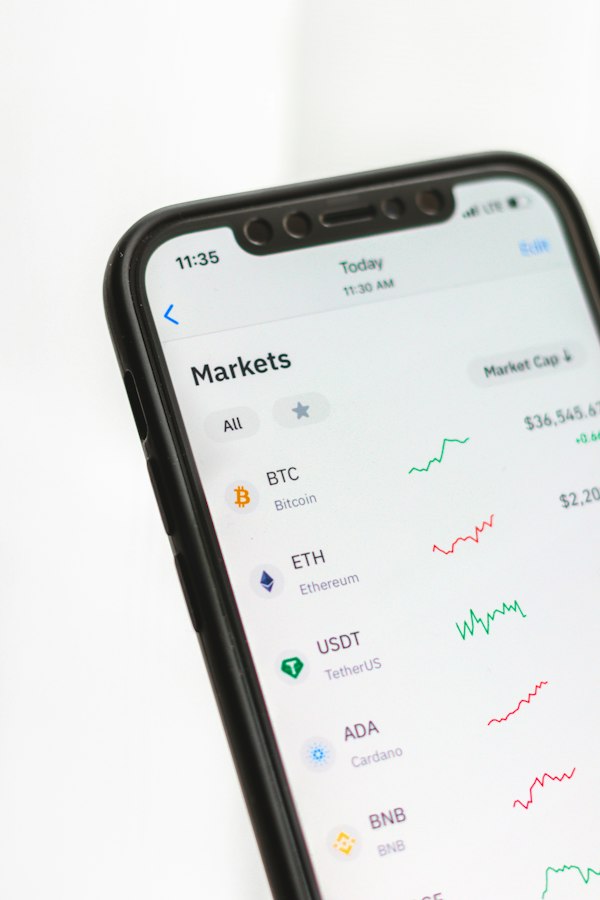
Ripple's RLUSD stablecoin has officially launched in Japan, following regulatory approval from local authorities. This milestone not only signifies growing acceptance of digital assets in Asia but also highlights potential shifts in the Indian market as investors eye stablecoins for diversification.
The financial landscape in India is rapidly evolving, with the Reserve Bank of India (RBI) and the Securities and Exchange Board of India (SEBI) keeping a close watch on the burgeoning cryptocurrency market. As Ripple Labs announces the launch of its RLUSD stablecoin in Japan, this development is poised to impact not just the Japanese market, but also Indian investors who are keen on diversifying their portfolios in an increasingly digital world.
# Background/Context: Regulatory Framework for Cryptocurrencies
Over the last few years, India has experienced a rollercoaster relationship with cryptocurrencies. The RBI has oscillated between cautious acceptance and stringent regulations. In 2020, the Supreme Court of India lifted a ban on trading cryptocurrencies, which had initially been imposed by the RBI in 2018. This ruling opened the floodgates for crypto exchanges in India, leading to a boom in trading volumes.
Meanwhile, the Indian government has been working on creating a regulatory framework that could govern cryptocurrencies, with the Finance Minister suggesting that the upcoming Budget could feature clearer guidelines. As investors await such regulation, the news from Japan might serve as a beacon of what could be possible in India.
# What Happened: The Launch of RLUSD Stablecoin
Ripple's RLUSD stablecoin has made its debut in Japan after securing the necessary regulatory approvals. Designed to maintain a stable value pegged to the U.S. dollar, RLUSD aims to facilitate faster and cheaper cross-border transactions. This is particularly pertinent for India, which has one of the largest expatriate populations in the world, resulting in significant remittance flows always in need of cost-effective solutions.
Japan's regulatory environment has been increasingly favorable towards cryptocurrencies, with the Financial Services Agency (FSA) actively encouraging innovation in this space. The approval of RLUSD not only reflects Japan's commitment to blockchain technology but also positions the country as a leader in the digital currency landscape.
# Market Reaction: Ripple's Position and Broader Crypto Trends
The launch has been met with a positive reception in the cryptocurrency market, with Ripple’s native XRP token seeing a spike in trading volume shortly after the announcement. As of October 2023, XRP was trading around ₹60, marking a substantial increase from its previous levels. The broader cryptocurrency market capitalization also witnessed a rise of approximately 2%, signaling renewed investor confidence.
In India, the immediate market reaction has been mixed. Traditional markets, tracked by indices like the Nifty 50 and the BSE Sensex, have remained relatively stable, with fluctuations more tied to global economic indicators than to domestic crypto news. However, the growing interest in stablecoins like RLUSD may eventually lead to an increased appetite for cryptocurrencies among Indian retail investors, especially those already familiar with Systematic Investment Plans (SIPs) in mutual funds and Fixed Deposits (FDs).
# Implications for Indian Investors: A New Avenue for Diversification
For Indian investors, the launch of RLUSD presents an intriguing opportunity. As the RBI continues to explore the feasibility of a Central Bank Digital Currency (CBDC), the broader acceptance of stablecoins could pave the way for a more diversified investment strategy. Stablecoins can offer a hedge against the volatility typically associated with cryptocurrencies like Bitcoin and Ethereum, which have historically fluctuated widely.
Moreover, stablecoins can also facilitate easier access to global markets. Indian investors can use platforms that allow conversions from the rupee (₹) to RLUSD, thereby enabling them to invest in international assets without the complications of currency conversion and international banking regulations.
# What to Watch Next: Regulatory Developments and Market Trends
As Ripple's RLUSD stablecoin gains traction in Japan, Indian investors should keep a close eye on several key developments: 1. **Regulatory Clarity in India**: Any announcements from the RBI or SEBI regarding cryptocurrency regulations will be crucial. If India follows Japan's lead, it may open doors for more stablecoin options in the domestic market. 2. **Growth of Crypto Exchanges**: The performance of Indian crypto exchanges will be important. Platforms like WazirX and CoinDCX are already seeing increased trading volumes. An uptick in stablecoin offerings could further enhance their value proposition. 3. **Global Economic Factors**: The impact of U.S. monetary policy on stablecoins should not be overlooked. As the Federal Reserve adjusts interest rates, the value of stablecoins like RLUSD may be influenced, subsequently affecting Indian investors’ strategies.
# What Should You Do?
1. **Stay Informed**: Keep track of RBI and SEBI's regulatory developments concerning cryptocurrency, as this could affect your investment options. 2. **Diversify with Caution**: If you’re considering investing in cryptocurrencies or stablecoins, start small and gradually increase your exposure as you gain more confidence and understanding of the market. 3. **Explore Crypto Platforms**: Look for reputable cryptocurrency exchanges that offer stablecoin trading, ensuring they comply with local regulations and have adequate security measures in place. 4. **Monitor Global Trends**: Watch how stablecoins are being adopted globally, particularly in markets like Japan, as these trends could influence investment patterns in India.
While the launch of Ripple's RLUSD stablecoin in Japan may seem distant, its impact reverberates across borders, offering Indian investors new avenues and opportunities. As the narrative around digital currencies continues to evolve, staying informed and adaptable will be key to navigating this dynamic landscape.
Disclaimer: This article is for informational purposes only and does not constitute financial advice. Please consult a fee-only CFP or SEC-registered investment advisor before making investment decisions.


