Ripple's New Frontier: Financing Leveraged Stock Bets and Its Impact on Indian Markets
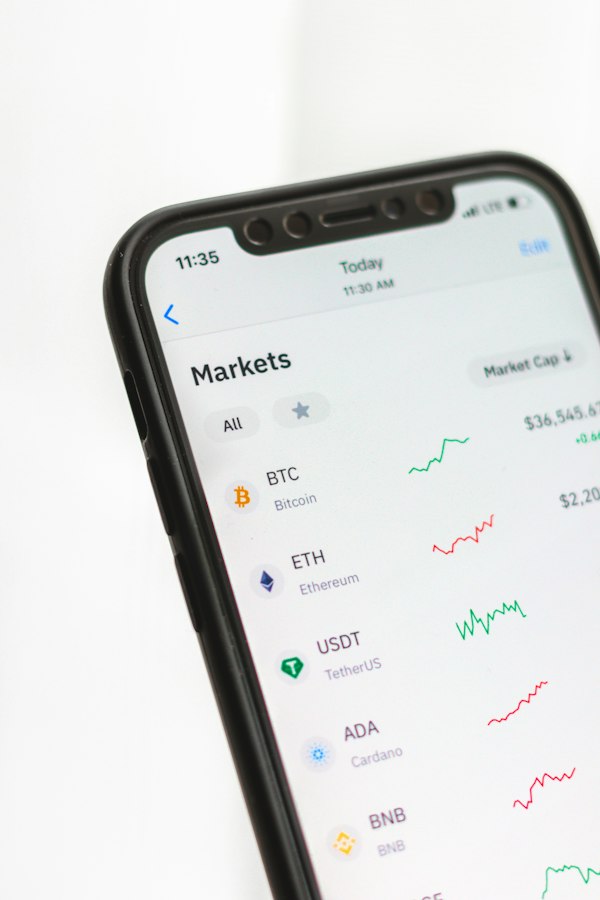
Ripple is diversifying its revenue model by financing leveraged stock bets, a move traditionally dominated by banks. This shift could have significant implications for Indian investors navigating the evolving landscape of finance and investing.
# Background/Context In the ever-evolving world of finance, innovation often comes from unexpected quarters. Ripple Labs, primarily known for its blockchain-based payment solutions, has begun to carve out a niche in financing leveraged stock bets. This move is particularly intriguing against the backdrop of traditional banking operations, where such activities have long been the purview of established financial institutions. As Ripple ventures into this space, it raises questions about the future of investment strategies and the potential for disruption in the financial markets, particularly in India where the Reserve Bank of India (RBI) and the Securities and Exchange Board of India (SEBI) play pivotal roles in regulating the financial landscape.
# What Happened Ripple's recent announcement indicates its intent to not only facilitate cryptocurrency transactions but also to provide financing for leveraged stock bets. Leveraged trading involves borrowing funds to increase the potential return on investment, a strategy that can lead to substantial gains but also significant losses. Traditionally, banks and brokerage firms have dominated this space, earning hefty fees through margin lending.
By entering this market, Ripple is positioning itself as a competitor to these institutions, offering an alternative to traditional financing avenues. The timing of this move is crucial, as global markets, including Indian indices like Nifty and BSE, are experiencing heightened volatility. Investors are keenly aware of both risks and opportunities, making leveraged positions more appealing yet fraught with potential pitfalls.
# Market Reaction The announcement has certainly stirred up discussions among investors and analysts alike. In the Indian context, where the Nifty 50 index recently corrected to around 19,000 points after touching all-time highs, the idea of leveraging could attract both retail and institutional investors. However, the response has been mixed. While some see this as an opportunity to capitalize on market dips, others caution against the risks associated with leveraged trading, especially in a market that is still recovering from the aftershocks of global economic uncertainties.
Moreover, Ripple's venture aligns with the growing interest in cryptocurrencies and digital assets in India. The Indian crypto market, while facing regulatory scrutiny, has shown resilience, with platforms reporting a surge in participation from retail investors. This trend could further bolster Ripple's prospects, as more investors might seek innovative ways to engage with both traditional and digital assets.
# Implications for Indian Investors For Indian investors, Ripple’s move into financing leveraged stock bets presents a double-edged sword. On one hand, it could democratize access to leveraged trading, allowing a broader segment of the population to engage with stock markets more aggressively. On the other hand, it also introduces a layer of risk that inexperienced investors may not fully understand.
The RBI’s stance on leveraged trading has historically been cautious, advocating for investor protection and financial literacy. As leveraged trading becomes more accessible through companies like Ripple, the need for robust investor education and regulatory oversight becomes paramount. Investors should be prepared for the complexities involved in leveraged positions, especially in a market that can be as unpredictable as the Indian stock exchanges.
Furthermore, the advent of digital financing options could lead to more competitive pricing among financial institutions, potentially lowering fees for investors seeking margin accounts. This could also stimulate innovation in financial products, leading to more diversified investment opportunities.
# What to Watch Next As Ripple continues to expand its footprint in the financial services sector, investors should keep a close eye on several key developments. Firstly, regulatory responses will be critical. SEBI and RBI are likely to weigh in on the implications of such innovations, especially concerning investor protection and market stability. Investors should monitor any announcements or guidelines issued by these regulatory bodies.
Secondly, market volatility is expected to persist, driven by global economic conditions, domestic inflation rates, and geopolitical events. Keeping abreast of market trends will be essential for making informed investment decisions.
Lastly, Ripple’s performance in this new venture will be telling. Are they able to attract a significant number of clients? How will their fees compare to traditional financial institutions? The answers to these questions will shape their long-term viability in the sector.
# What Should You Do? 1. **Educate Yourself**: Understand the risks associated with leveraged trading before diving in. Access resources that explain margin trading, including potential pitfalls and benefits. 2. **Diversify Your Investments**: If you decide to explore leveraged positions, ensure that it constitutes only a portion of your overall investment strategy. Balancing risk is key. 3. **Stay Informed about Regulations**: Keep an eye on updates from RBI and SEBI regarding leveraged trading and digital financing options, as this will influence your investment decisions significantly. 4. **Consider Professional Advice**: Consult with financial advisors who understand both traditional and new-age finance models to navigate the complexities of these investment opportunities.
In summary, Ripple's entry into financing leveraged stock bets could reshape some aspects of the investment landscape. For Indian investors, it’s both an opportunity and a challenge that necessitates careful consideration and informed decision-making. By staying educated and aware of market trends, you can position yourself to navigate this intriguing development effectively.
Disclaimer: This article is for informational purposes only and does not constitute financial advice. Please consult a fee-only CFP or SEC-registered investment advisor before making investment decisions.


