Navigating Bitcoin's Rocky Terrain: Implications for Indian Investors Amid Global Headwinds
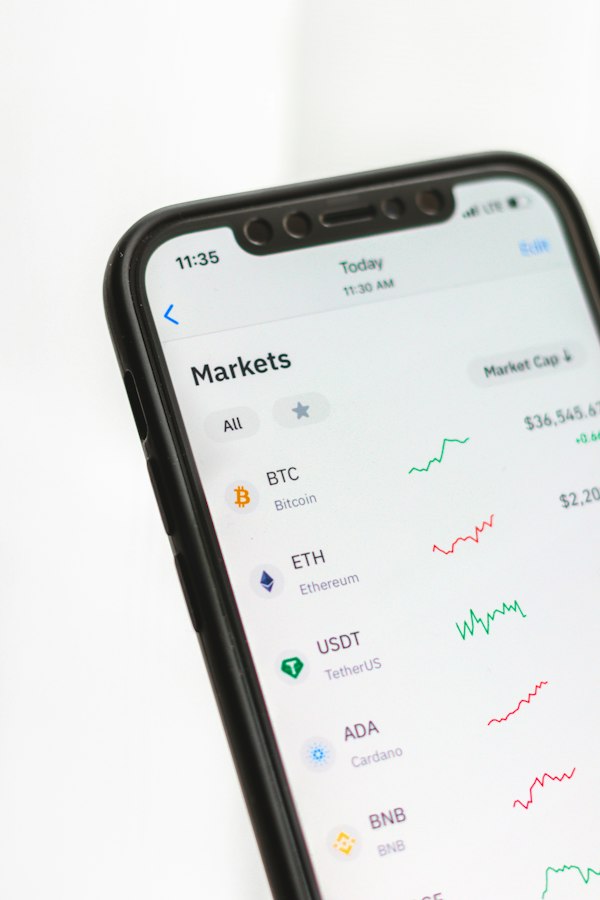
Bitcoin is grappling with mounting pressure from rising interest rates and regulatory uncertainties, posing critical questions for Indian investors. As the cryptocurrency landscape evolves, understanding these dynamics is essential for informed decision-making.
# Background: Bitcoin's Journey in the Indian Context Bitcoin, the world’s leading cryptocurrency, has seen a meteoric rise since its inception in 2009. In India, however, its journey has been marred by regulatory challenges and market volatility. The Reserve Bank of India (RBI) has maintained a cautious stance on cryptocurrencies, initially banning them in 2018 before the Supreme Court overturned that ban in 2020. This back-and-forth has left many investors on edge, wondering how regulatory frameworks will shape the future of cryptocurrencies in India.
The Securities and Exchange Board of India (SEBI) has also entered the fray, signaling intentions to introduce more stringent regulations. This backdrop of regulatory uncertainty has made Bitcoin’s trajectory particularly fascinating for investors in India, who are increasingly diversifying their portfolios to include cryptocurrencies amidst traditional assets like Fixed Deposits (FDs) and Mutual Funds.
# What Happened: Current Challenges Facing Bitcoin Recently, Bitcoin has faced headwinds primarily due to the U.S. Federal Reserve's tightening monetary policy. With rates expected to rise further in the coming months, Bitcoin's appeal as a hedge against inflation is being challenged. Investors are becoming more risk-averse, opting for safer assets, thereby impacting Bitcoin's price, which has witnessed a decline from its peak of approximately ₹6,200,000 ($75,000) in 2021 to around ₹3,800,000 ($45,000) as of October 2023.
Adding to this pressure is the ongoing uncertainty surrounding the cryptocurrency regulations in the U.S. The introduction of the “Mythos” framework by the Commodity Futures Trading Commission (CFTC) has created ripples in the crypto community, necessitating compliance with stringent market conduct rules. This leaves many investors speculating about the future liquidity and accessibility of Bitcoin and other cryptocurrencies.
# Market Reaction: Volatility and Investor Sentiment The market reaction to these developments has been volatile. Bitcoin’s price fluctuated significantly in recent weeks, with a notable drop of around 10% within a week amid fears of further interest rate hikes. Indian exchanges like WazirX and CoinDCX are reflecting this sentiment, as trading volumes have seen a decline.
This volatility has spurred discussions in various investment communities. Many Indian HNI (High Net Worth Individuals) and retail investors are reassessing their strategies regarding cryptocurrencies and other alternative investments. The Nifty index, representing the top 50 stocks on the National Stock Exchange (NSE), has also shown a correlation with Bitcoin's performance, indicating that investor sentiment towards cryptocurrencies impacts broader market behavior.
# Implications for Indian Investors: A Rocky Road Ahead For Indian investors, the current landscape presents a mixed bag of opportunities and risks. The decline in Bitcoin's price has made it an attractive entry point for many who are bullish on its long-term prospects. However, the uncertainty surrounding regulations and global monetary policies means that this investment comes with higher risks.
Moreover, with the RBI emphasizing financial literacy, many investors are urged to consider systematic investment plans (SIPs) in mutual funds, or traditional assets like gold and real estate, which historically offer stability during turbulent times.
Market analysts suggest that Bitcoin's future is intrinsically linked to its adoption rate and regulatory clarity. If the RBI decides to adopt a more welcoming approach towards cryptocurrencies, it could pave the way for institutional investments in Bitcoin, similar to how the U.S. market has evolved.
# What to Watch Next: Key Indicators and Trends As Bitcoin navigates these tumultuous waters, several indicators could signal what’s next for investors: 1. **Regulatory Developments**: Keep an eye on announcements from the RBI and SEBI regarding cryptocurrency regulations. Any significant policy shifts could impact Bitcoin's price trajectory. 2. **Global Economic Indicators**: Monitor the U.S. Federal Reserve's decisions on interest rates. A more hawkish stance could further dampen investor sentiment towards riskier assets like Bitcoin. 3. **Market Sentiment**: Pay attention to sentiment on Indian exchanges, as trends in trading volumes and investor behavior can serve as leading indicators of market direction. 4. **Technological Innovations**: Watch for advancements in blockchain technology and how they may enhance Bitcoin's utility and adoption.
# What Should You Do? 1. **Diversify Your Portfolio**: If you’re considering entering the crypto market, balance your investments across cryptocurrencies, equity mutual funds, and traditional assets to mitigate risk. 2. **Stay Informed**: Regularly update yourself on regulatory changes and global economic conditions, as these will significantly affect cryptocurrency markets. 3. **Consider SIPs in Mutual Funds**: For those new to investing, SIPs in mutual funds can provide exposure to equity markets without the high volatility associated with cryptocurrencies. 4. **Risk Management**: Only invest what you can afford to lose in cryptocurrencies, and consider setting stop-loss orders to protect your investments from sudden market downturns.
With Bitcoin facing a challenging environment, Indian investors should tread carefully but remain informed to make prudent decisions in this evolving landscape. By understanding the broader economic indicators and regulatory frameworks, investors can navigate these waters with more confidence and foresight.
Disclaimer: This article is for informational purposes only and does not constitute financial advice. Please consult a fee-only CFP or SEC-registered investment advisor before making investment decisions.


