India's Leading Crypto Exchange Faces $16 Million Setback Due to Internal Process Flaw
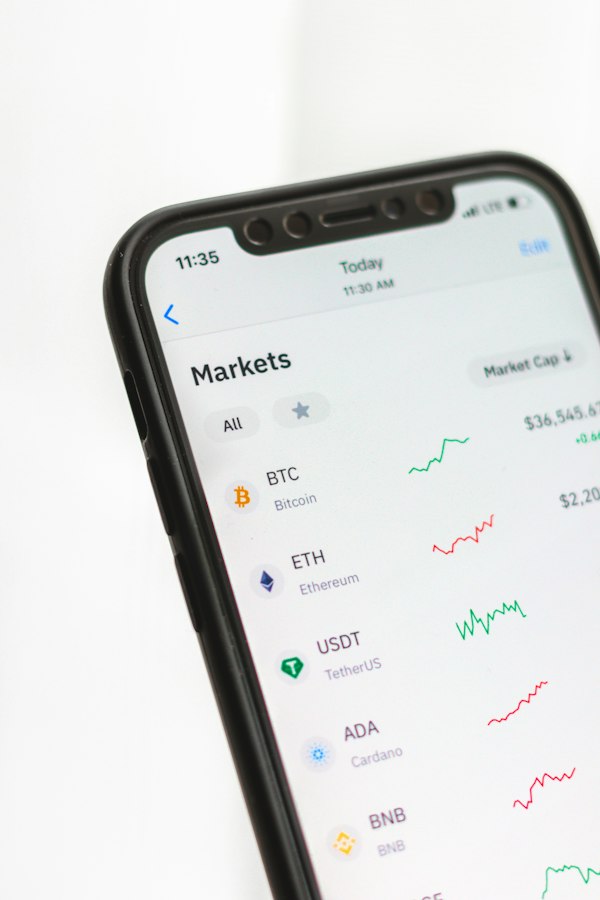
Crypto investors in India are reeling as the country's largest exchange reports a staggering $16 million loss from an internal process failure linked to a retired wallet. As regulatory scrutiny intensifies, what does this mean for the future of cryptocurrency trading in India?
# Background: The Rise of Crypto in India In recent years, India has witnessed an explosive growth in cryptocurrency adoption, with the Reserve Bank of India (RBI) and the Securities and Exchange Board of India (SEBI) taking tentative steps toward regulation. The crypto market, once considered a fringe investment avenue, has drawn millions of Indian investors eager to capitalize on the volatility and potential returns of digital assets like Bitcoin and Ethereum. The establishment of robust exchanges has been crucial in this journey; however, the recent setback faced by India’s largest crypto exchange raises significant concerns about operational integrity and investor trust.
# What Happened? In a shocking turn of events, India’s leading cryptocurrency exchange has announced a loss of $16 million due to an internal process failure linked to what they termed a "retired wallet." This wallet, which had supposedly been deactivated, was inadvertently utilized during a routine transaction process, leading to significant discrepancies in the asset management protocols. The exchange has stated that this incident was not due to any external hacking or malicious intent but rather an internal oversight in their operational mechanism.
The exchange has assured its users that their assets remain secure and that they are working closely with cybersecurity experts to tighten their internal processes. However, the damage to its reputation and the confidence of its investors cannot be underestimated. This incident has sent shockwaves through an already skeptical investor base, who are becoming increasingly wary of operational risks in the crypto sector.
# Market Reaction Following the announcement, the market's reaction was swift and telling. Within hours, trading volumes on the exchange plummeted, with many users opting to withdraw their funds amidst growing uncertainty. The price of Bitcoin, which had been climbing steadily, fell by approximately 5% in the hours following the news, reflecting broader market concerns about operational stability in crypto exchanges.
Moreover, the incident has prompted a broader sell-off in the crypto markets, with Ethereum and other altcoins also witnessing significant dips. Analysts have noted that this could negatively affect future investments into Indian crypto exchanges and may even deter new investors from entering the market, particularly in a landscape already fraught with regulatory ambiguity.
# Implications for Indian Investors For Indian investors, this incident raises several red flags. First, the loss of $16 million from a leading exchange highlights the importance of due diligence when choosing platforms for trading cryptocurrencies. While the allure of high returns can be tempting, the risks associated with operational inefficiencies can be substantial.
Additionally, with the RBI and SEBI's ongoing discussions about implementing stricter regulations, the focus will likely shift to ensuring that exchanges adopt more stringent internal controls. This means that investors might face a longer wait for regulatory clarity and operational stability. Moreover, many investors also rely on SIPs (Systematic Investment Plans) in mutual funds as a safer alternative, which might see increased inflows as confidence in the crypto sector wavers.
# What to Watch Next As we navigate through this tumultuous period, there are crucial factors to keep an eye on:
1. **Regulatory Developments:** The RBI and SEBI's response to this incident will be vital. Any steps taken to enhance regulatory oversight could bring more stability but might also introduce additional compliance costs for exchanges. 2. **Investor Sentiment:** Watch for trends in investor sentiment. If confidence continues to erode, we could see a shift back to traditional investment avenues, including Fixed Deposits (FDs) and mutual funds. 3. **Market Performance:** Keep an eye on Bitcoin and Ethereum prices, as they often serve as indicators of broader market health. Significant drops in these cryptocurrencies could signal a sustained downturn in investor interest across the board. 4. **Security Enhancements:** The exchange’s commitment to improving its internal processes will be scrutinized. Any proactive steps taken will be crucial in rebuilding trust with users.
# What Should You Do? 1. **Review Your Crypto Investments:** If you are currently investing in cryptocurrencies, it may be wise to assess your holdings and consider diversifying into more stable assets like mutual funds or physical gold, particularly in light of this incident. 2. **Stay Informed:** Keep abreast of regulatory changes and market movements. Subscribe to reliable financial news platforms and consider joining investment forums for real-time updates. 3. **Consider Automatic Investments:** If you’re looking to invest in the stock market, consider SIPs in equity mutual funds, which can help you benefit from rupee cost averaging while minimizing risk. 4. **Reassess Risk Tolerance:** With the heightened volatility in crypto markets, it’s essential to reassess your risk tolerance. Ensure that your investment strategies align with your financial goals and risk appetite.
The Indian crypto market is at a pivotal moment, and while challenges remain, opportunities for growth and innovation persist. As we follow these developments, investors must adopt a cautious and informed approach to navigate this complex landscape.
Disclaimer: This article is for informational purposes only and does not constitute financial advice. Please consult a fee-only CFP or SEC-registered investment advisor before making investment decisions.


