Indian Banks Adapt as Clarity on Crypto Regulations Delays
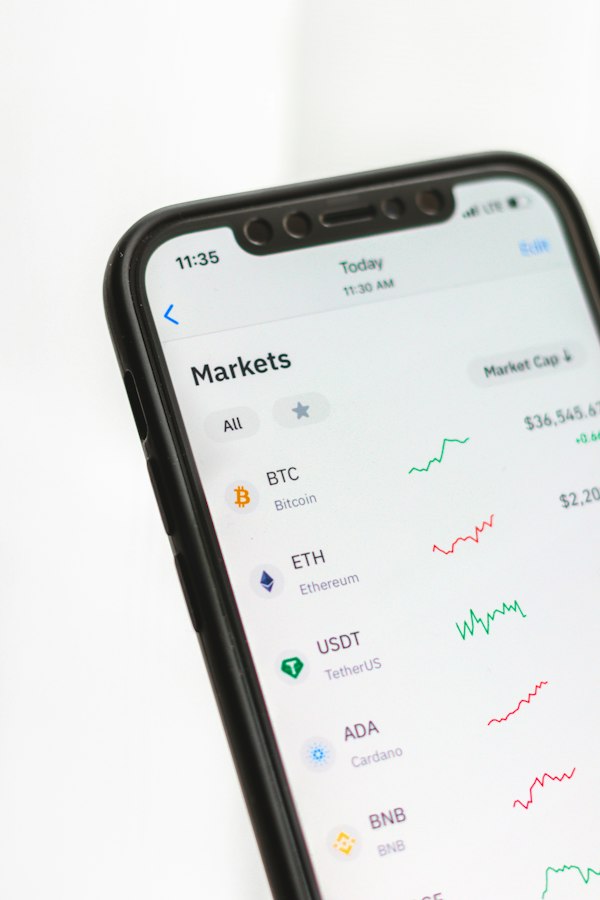
As the Indian government pushes back the Clarity Act until September, banks are already navigating the evolving landscape of cryptocurrency regulations. This proactive approach highlights the resilience of India's financial institutions amidst uncertainty in digital asset governance.
# Background/Context India's financial markets are often a reflection of the global economic climate, and the recent developments surrounding cryptocurrency regulation are no exception. The Reserve Bank of India (RBI), which oversees monetary policy and financial stability, has been cautious about the rise of cryptocurrencies, perceiving them as a potential threat to the traditional banking system. In response to mounting concerns, the government introduced the Clarity Act aimed at establishing a comprehensive regulatory framework for digital currencies. However, with the Act now pushed to September, the immediate future of cryptocurrency regulation in India remains uncertain.
# What Happened? The announcement that the Clarity Act will be delayed has sent ripples through financial institutions and investors alike. On one hand, this delay reflects the government's need for more time to finalize guidelines that balance innovation with risk management. On the other hand, it leaves banks in a state of limbo, forced to navigate the murky waters of digital asset management without clear directives.
Despite the uncertainty, major banks such as HDFC Bank and ICICI Bank are not sitting idle. They are proactively developing strategies to engage with the cryptocurrency market. Reports suggest that these banks are exploring partnerships with fintech companies and blockchain service providers to better integrate digital assets into their offerings. This includes the potential for providing custodial services for cryptocurrencies, facilitating crypto transactions, and even exploring the development of their own digital currencies.
# Market Reaction The Indian stock markets have shown mixed reactions to the news. The Nifty 50 index saw a slight uptick of around 0.5% shortly after the announcement, indicating that investors are generally optimistic about the long-term prospects of digital currencies, despite the short-term regulatory uncertainty. Trading volumes in cryptocurrencies like Bitcoin and Ethereum have surged, suggesting that retail investors are moving ahead with their digital investments regardless of regulatory clarity.
Analysts from brokerage firms such as Motilal Oswal have pointed out that the delay in the Clarity Act could actually provide an opportunity for banks to solidify their positions in the crypto space. Mahesh Nandurkar, a senior analyst at CLSA, noted that “with more time to formulate a strategy, banks can create a sustainable framework that aligns with regulatory requirements while also tapping into the growing interest in digital assets.”
# Implications for Indian Investors For Indian investors, the delay in the Clarity Act could be a double-edged sword. On one hand, the lack of regulatory clarity may lead to increased volatility in the crypto market, making it a more precarious investment. Investors must navigate potential risks associated with sudden policy changes. On the other hand, the increasing involvement of traditional banks in the crypto space could signify a maturation of the market and, in the long run, provide greater security and legitimacy to digital investments.
Moreover, with the Indian rupee (₹) continuing to face pressures against the US dollar, the allure of cryptocurrencies as a hedge against currency devaluation may appeal to savvy investors. The RBI’s recent efforts to stabilize the rupee could inadvertently encourage more investors to explore alternative asset classes like cryptocurrencies.
# What to Watch Next As we move closer to September, there are several key developments to keep an eye on: 1. **RBI's Stance**: The RBI's ongoing evaluation of cryptocurrencies will be crucial. Any hints or statements from the central bank regarding its regulatory approach will have a significant impact on market sentiment. 2. **Bank Initiatives**: Watch for announcements from major banks about their cryptocurrency services. Increased offerings could attract more retail investors, potentially driving up demand. 3. **Global Trends**: The international regulatory landscape will also influence India’s approach. Observing how other countries, particularly in the West, regulate cryptocurrencies might provide insights into what Indian regulators might adopt. 4. **Public Sentiment**: The public’s perception of cryptocurrencies will play a vital role. Increased awareness and education could lead to a more informed investor base, impacting the market dynamics significantly.
# What Should You Do? 1. **Stay Informed**: Keep an eye on news regarding the Clarity Act and any statements from the RBI. Understanding the regulatory environment is crucial for making informed investment decisions. 2. **Diversify Investments**: While cryptocurrencies may be appealing, consider diversifying your portfolio with traditional investments such as mutual funds, fixed deposits (FDs), and high-quality stocks to mitigate risks. 3. **Consider SIPs in Mutual Funds**: If you’re cautious about direct cryptocurrency investments, consider Systematic Investment Plans (SIPs) in mutual funds that may have exposure to tech companies involved in blockchain and crypto innovations. 4. **Evaluate Risk Tolerance**: Before diving into the crypto market, assess your risk tolerance. Cryptocurrencies can be highly volatile, and it’s essential to invest only what you can afford to lose.
In summary, while the delay in the Clarity Act presents challenges, it also offers an opportunity for banks and investors to adapt and strategize. The evolving landscape of cryptocurrency regulation in India is set to become a defining feature of the financial market, making it essential for all stakeholders to stay proactive and informed.
Disclaimer: This article is for informational purposes only and does not constitute financial advice. Please consult a fee-only CFP or SEC-registered investment advisor before making investment decisions.


