How Bitcoin and S&P 500 Fare When Adjusted for Inflation: Insights for Indian Investors
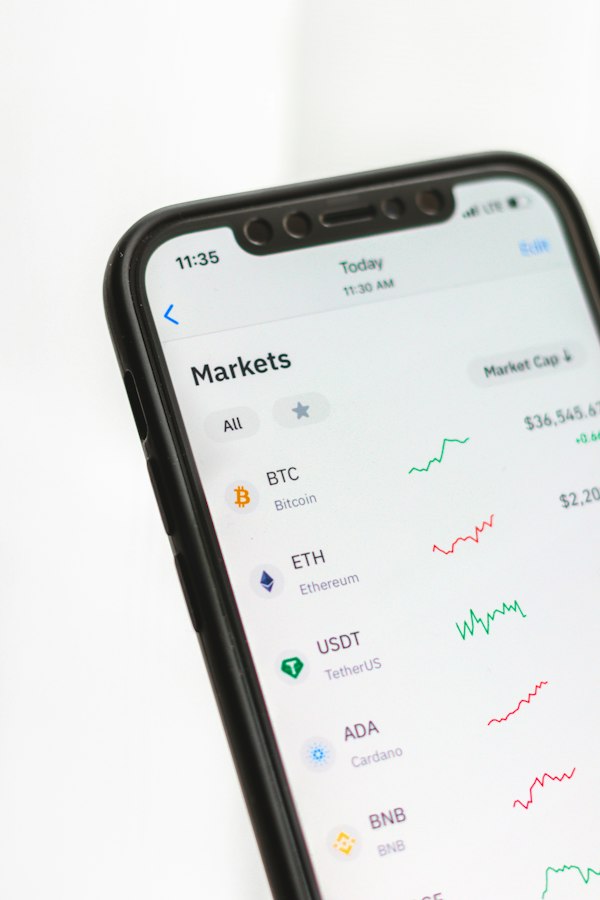
As inflation tightens its grip globally, understanding how Bitcoin and the S&P 500 stack up against the Indian economy becomes crucial. This analysis not only sheds light on asset performance but also offers valuable insights for Indian investors navigating the current financial landscape.
# Background/Context The global economic landscape is in a state of flux, influenced by waves of inflation and fluctuating interest rates. In India, the Reserve Bank of India (RBI) has been vigilant, recently maintaining the repo rate at 6.5% to counter inflation, which is currently hovering around the 6% mark. This has led many Indian investors to look beyond traditional assets like fixed deposits (FDs) and mutual funds, as they seek out opportunities that can hedge against inflation.
In the US, the S&P 500 has been a bellwether for investors, reflecting corporate earnings and consumer confidence. Meanwhile, Bitcoin and other cryptocurrencies have emerged as alternative assets, touted for their potential to deliver outsized returns. However, when adjusting for the effects of monetary policy—specifically, the expansion of the money supply—how do these two assets really compare?
# What Happened Recent analyses have shown that both Bitcoin and the S&P 500 have produced mixed results when adjusted for inflation and the increase in the money supply, often referred to as the "money printer" effect. According to a report by CoinDesk, when you adjust the price of Bitcoin (currently around ₹4,500,000 or about $55,000) and the S&P 500 index (hovering near 4,500), it becomes clear that both have been significantly impacted by the economic policies enacted during and after the pandemic.
Bitcoin, which was touted as a hedge against inflation, has seen its price fluctuate wildly, from a staggering all-time high of ₹6,000,000 (about $75,000) in late 2021 to its current levels. The S&P 500, while generally more stable, has also experienced volatility, particularly as interest rate hikes have influenced investor sentiment. In the last year alone, the index has seen declines of approximately 20% from its peak, reflecting broader economic uncertainties.
# Market Reaction The reaction from the Indian markets has been telling. The Nifty 50 has mirrored some of these trends, reflecting a similar sense of cautious optimism among investors. Following the RBI's recent announcements, the Nifty 50 saw a modest uptick, closing at ₹18,500 points, driven in part by the banking and financial services sector, which is particularly sensitive to interest rate changes.
One notable figure in this conversation is Dr. Raghuram Rajan, former RBI Governor and current professor at the University of Chicago. He has expressed concerns about the potential risks posed by both inflation and cryptocurrency speculation, emphasizing the need for regulatory clarity from agencies like the Securities and Exchange Board of India (SEBI). His insights suggest that while both Bitcoin and traditional equities have their merits, investors should tread carefully, especially in an environment where monetary policy is in flux.
# Implications for Indian Investors For Indian investors, the implications of these findings are multifaceted. First, as inflation erodes purchasing power, simply holding cash or traditional savings instruments may not be sufficient. With the RBI's ongoing commitment to managing inflation, fixed income products like FDs may offer lower real returns.
Investors are increasingly turning to mutual funds and systematic investment plans (SIPs) as a way to navigate these choppy waters. SIPs, which allow for regular, smaller investments in mutual funds, provide a disciplined approach to investing that can average out costs over time. According to the Association of Mutual Funds in India (AMFI), SIP inflows have reached new highs, indicating a growing confidence in equity markets despite the prevailing economic headwinds.
Additionally, the cryptocurrency market continues to attract attention, particularly among younger investors who are looking for higher-risk, higher-reward opportunities. However, the volatility of Bitcoin and other cryptocurrencies cannot be overstated. Price corrections can be steep, and regulatory uncertainties loom large. SEBI has been vocal about the need for regulations around cryptocurrencies, and any forthcoming legislation could significantly impact their market dynamics in India.
# What to Watch Next As we look ahead, several key factors will likely influence the performance of both Bitcoin and the S&P 500.
1. **Central Bank Policies**: Investors should keep an eye on the RBI's monetary policy decisions, as further rate hikes could dampen market sentiment. In the US, the Federal Reserve's actions will also be pivotal. Any indications of a shift in policy could lead to significant movements in both equity and crypto markets.
2. **Regulatory Developments**: The direction of regulatory frameworks around cryptocurrencies in India and globally will be critical. An announcement from SEBI or the RBI regarding crypto regulations could either bolster confidence or induce panic.
3. **Global Economic Indicators**: Pay attention to key economic indicators such as US inflation rates, employment statistics, and consumer spending. These metrics will affect the S&P 500 and could also set the tone for riskier assets like Bitcoin.
# What Should You Do? Here are some actionable takeaways for Indian investors considering their strategies in the current climate:
1. **Diversify Your Portfolio**: Don't put all your eggs in one basket. A mix of equities, mutual funds, and a small allocation to cryptocurrencies can help balance risk.
2. **Consider SIPs**: If you haven't already, consider setting up a systematic investment plan (SIP) in a well-rated mutual fund to capitalize on market volatility over the long term.
3. **Stay Informed on Regulations**: Keep a close watch on the evolving regulatory landscape regarding cryptocurrencies in India. This can help you make informed decisions about your investments.
4. **Review Your Risk Tolerance**: Understand your risk appetite and adjust your investment strategy accordingly. If volatility makes you uneasy, focus more on stable assets like blue-chip stocks or FDs.
Navigating the complexities of the financial market requires vigilance and adaptability. By staying informed and proactive, Indian investors can position themselves to make the most of the opportunities—and challenges—that lie ahead.
Disclaimer: This article is for informational purposes only and does not constitute financial advice. Please consult a fee-only CFP or SEC-registered investment advisor before making investment decisions.


