Google's Quantum Breakthrough: A New Challenge for Bitcoin and Indian Investors
Recent advancements from Google in quantum computing could pose significant risks to Bitcoin, raising concerns for investors globally, including in India. As the cryptocurrency landscape evolves, understanding these implications is crucial for those navigating the Indian financial markets.
# Background/Context The world of cryptocurrencies, particularly Bitcoin, has been buzzing with excitement and anxiety as technology evolves at breakneck speed. Recently, Google announced a breakthrough in quantum computing with its new project, Willow, which is now capable of executing complex calculations at unprecedented speeds. This development raises eyebrows not just in tech circles but also in the financial realm, especially among cryptocurrency enthusiasts who view Bitcoin as a digital gold and a hedge against inflation.
In India, where cryptocurrencies have gained considerable attention despite regulatory uncertainty from the Reserve Bank of India (RBI) and the Securities and Exchange Board of India (SEBI), the implications of quantum computing could reshape the landscape. While the RBI has yet to issue a clear framework for cryptocurrencies, these developments in quantum technology could force regulatory bodies to reconsider their stance on digital currencies.
# What Happened Google's advancement in quantum computing is particularly concerning for Bitcoin and other cryptocurrencies because of the potential for quantum computers to break the cryptographic security that underpins blockchain technology. The very algorithms that secure transactions and protect user anonymity could become vulnerable to quantum attacks, allowing malicious actors to potentially manipulate or exploit the system.
For context, Bitcoin's security relies on a complex mathematical problem known as the Elliptic Curve Digital Signature Algorithm (ECDSA). Quantum computers could theoretically solve this problem in mere minutes, a task that would take even the most powerful classical supercomputers thousands of years. As Google’s Willow showcases enhanced capacities, the urgency for the cryptocurrency community to prepare for a future where quantum computing is mainstream becomes palpable.
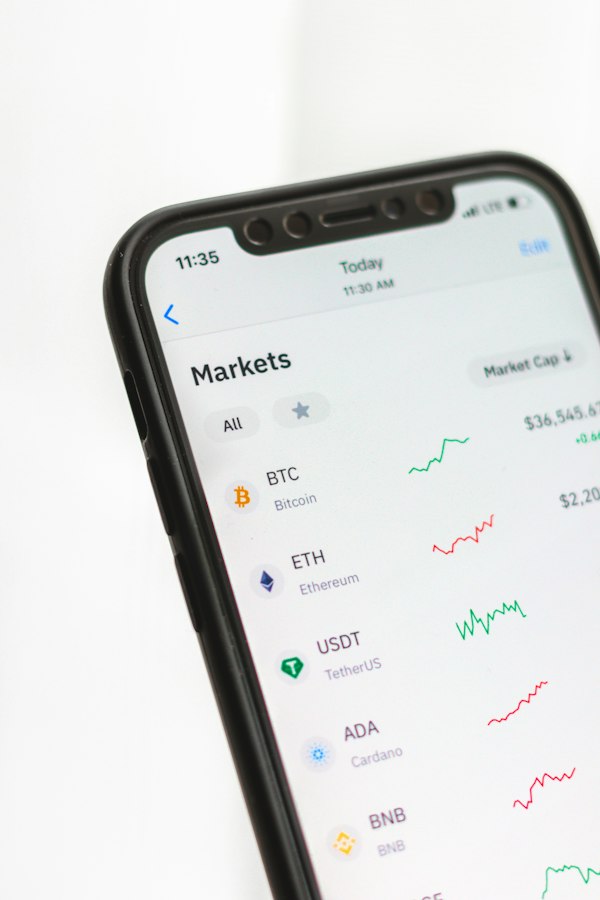
# Market Reaction Immediately following Google's announcement, Bitcoin experienced a brief dip, reflecting investor sentiment and concerns over potential vulnerabilities. On the Indian exchanges, Bitcoin's price fell to approximately ₹4,000,000, down from ₹4,200,000, while Ethereum also saw a decline. The broader Indian stock market, represented by the Nifty 50 and Sensex, remained resilient, indicating that traditional equity investors are somewhat insulated from the turbulence in the cryptocurrency space.
The reaction on social media platforms and crypto forums echoed fears that Bitcoin, which has seen a resurgence in 2023 with its price soaring over 70% since January, may face unprecedented challenges in the coming years. Experts like Nischal Shetty, CEO of WazirX, emphasized the need for the crypto space to innovate and consider quantum-resistant algorithms to protect investments.
# Implications for Indian Investors For Indian investors, the implications of Google's quantum breakthrough extend beyond the immediate volatility in cryptocurrency prices. As the Indian market is gradually awakening to the potential of cryptocurrencies, the need for strategic planning becomes crucial.
Investors must consider diversifying their portfolios to include quantum-resistant assets or technologies. The introduction of quantum-resistant cryptocurrencies could emerge as a viable alternative or complement to traditional Bitcoin investments. Furthermore, there’s a growing need for educational resources and tech updates from regulatory bodies like the RBI and SEBI to inform investors about the evolving landscape.
Additionally, traditional finance products like systematic investment plans (SIPs) in mutual funds and fixed deposits (FDs) may become increasingly appealing for risk-averse investors, especially if cryptocurrencies face existential threats. For instance, large mutual funds in India have begun diversifying into fintech and blockchain-based startups, recognizing the potential of these technologies while balancing risk.
# What to Watch Next As we look ahead, several key areas warrant attention from investors. First, keep an eye on the developments in quantum computing. Companies like IBM and Microsoft are also investing heavily in this technology, making it crucial for investors to stay informed about breakthroughs that could further impact cryptocurrency security.
Second, regulatory developments in India will be pivotal. The RBI and SEBI are likely to respond to the challenges posed by quantum computing, and any new frameworks or guidelines could shape the future of cryptocurrency trading in India. Investors should remain vigilant about policy changes that could open or restrict access to the crypto markets.
Lastly, the response from the cryptocurrency community regarding quantum resistance will be critical. Innovations in cryptographic methods, such as post-quantum cryptography, could provide solutions that keep Bitcoin and other cryptocurrencies secure against future quantum threats. Active engagement in forums, updates from developers, and adoption of new standards will be integral for investors wanting to stay ahead.
# What Should You Do? 1. **Diversify Your Portfolio**: Consider allocating a portion of your investments into quantum-resistant cryptocurrencies or tech funds that may benefit from advancements in quantum computing. 2. **Stay Informed**: Regularly follow updates from credible sources about quantum computing and its implications for cryptocurrency security. 3. **Engage with Regulatory Developments**: Monitor announcements from the RBI and SEBI regarding cryptocurrency regulations to stay ahead of potential impacts on your investments. 4. **Consider Alternatives**: If crypto volatility concerns you, explore traditional investment vehicles like SIPs or mutual funds with exposure to fintech and blockchain for balanced risk.
Investors in India are at an exciting crossroads where emerging technologies and traditional finance intersect. Understanding the nuances of these developments will be key to safeguarding and growing your investments in the years to come.
Disclaimer: This article is for informational purposes only and does not constitute financial advice. Please consult a fee-only CFP or SEC-registered investment advisor before making investment decisions.


