Dimon vs. Stablecoins: The Battle Over Crypto Regulations and Its Impact on Indian Investors
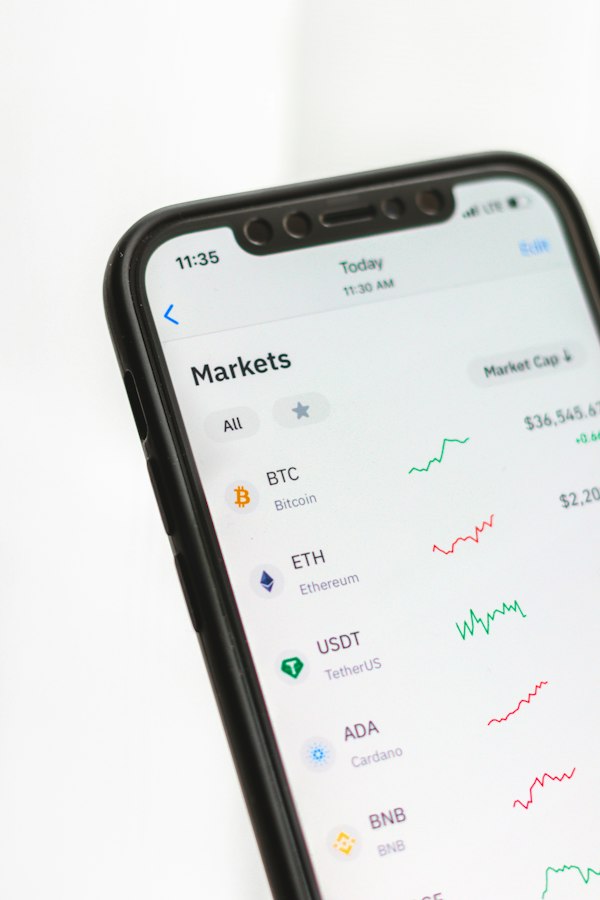
As JPMorgan's Jamie Dimon intensifies his stance against stablecoins amid the CLARITY Act debate, Indian investors must navigate the implications for the rapidly evolving cryptocurrency landscape. With regulatory frameworks in flux, understanding these developments is crucial for effective portfolio management in India.
# Background: The Crypto Landscape and Regulatory Frameworks The world of cryptocurrencies has seen significant evolution over the past few years, transitioning from mere digital curiosities to mainstream financial instruments. In the United States, the CLARITY Act, which aims to provide a comprehensive regulatory framework for stablecoins, has sparked debates among financial leaders. Jamie Dimon, CEO of JPMorgan, has been particularly vocal against the proliferation of stablecoins, warning of the risks they pose to the banking system and financial stability.
In India, the Reserve Bank of India (RBI) is also closely monitoring the developments in cryptocurrency regulations. With the country’s financial landscape constantly evolving, the RBI has expressed concerns about the implications of cryptocurrencies on monetary policy and financial stability. The Securities and Exchange Board of India (SEBI) is also preparing to enforce regulations that will shape the future of digital assets in the Indian market, highlighting the need for clarity and accountability from service providers.
# What Happened: Dimon’s Firm Stance Jamie Dimon has escalated his critiques, stating that banks will not accept stablecoins as part of their operations. His argument centers around the belief that stablecoins could undermine the integrity of the banking system by bypassing traditional financial institutions. Dimon’s comments came during discussions surrounding the CLARITY Act, which proposes that stablecoins be regulated as a new category of financial instrument.
The Act aims to establish a clear framework that would allow stablecoin issuers to operate legally while ensuring consumer protection and financial stability. However, Dimon’s arguments reflect a broader reluctance within traditional banking to embrace a decentralized financial landscape, which some argue poses risks related to liquidity and market volatility. His concerns are echoed by several US lawmakers and regulators who fear that the rapid growth of stablecoins could lead to significant financial disruptions.
# Market Reaction: A Mixed Bag Market participants reacted swiftly to Dimon’s comments, which were perceived as a reaffirmation of traditional banking institutions' skepticism towards cryptocurrencies. Following his statements, Bitcoin and Ethereum experienced slight fluctuations, reflecting the ongoing uncertainty surrounding regulatory action in the US. The broader cryptocurrency market saw a dip, with Bitcoin dropping below $40,000 and Ethereum hovering around $2,800.
In India, the response has been cautious yet optimistic. The Nifty 50 index maintained its stability, closing at 17,500, while the BSE Sensex showed minor fluctuations amid the global market’s uncertainty. Indian retail investors, who have increasingly turned towards cryptocurrencies and decentralized finance (DeFi) platforms, are keenly observing these developments as they could influence regulatory frameworks at home.
# Implications for Indian Investors For Indian investors, the developments in the US regarding stablecoins and cryptocurrencies are not just distant news—they have direct consequences. As regulatory clarity emerges in the US, it could set a precedent for Indian authorities, especially the RBI and SEBI, as they grapple with the complexities of virtual currencies.
1. **Regulatory Influence**: The RBI's stance has been cautious, with the central bank exploring the potential for a digital rupee while maintaining a wary eye on cryptocurrencies. The outcome of the CLARITY Act debate and Dimon's strong resistance may influence how the RBI frames its own policies. If the US leans towards stricter regulations, Indian investors might also witness similar measures, affecting their ability to trade and invest in cryptocurrencies. 2. **Investment Strategies**: With the uncertainty surrounding cryptocurrencies, Indian investors may need to rethink their investment strategies. Systematic Investment Plans (SIPs) in equity mutual funds have gained popularity as safer investment vehicles. Investors may consider diversifying their portfolios to include more traditional assets, which could offer stability amid the volatility of crypto markets.
3. **Stablecoin Adoption**: As stablecoins continue to gain traction, Indian investors should be aware of the risks and rewards. The potential for digital currencies to stabilize transactions could make them appealing, but the implications of regulatory frameworks must be understood thoroughly before investing.
# What to Watch Next As we move forward, several key areas will require close attention from investors: - **Regulatory Changes**: Keep an eye on announcements from the RBI and SEBI regarding cryptocurrency regulations. Any shifts in policies could have immediate effects on market dynamics in India. - **Market Movements**: Watch for volatility in the cryptocurrency market as new regulations unfold in the US. This could impact global investor sentiment, including in India. - **Institutional Adoption**: Monitor how traditional financial institutions, like JPMorgan, adapt to the evolving landscape. Their actions will likely influence investor behavior and regulatory attitudes in India.
# What Should You Do? 1. **Stay Informed**: Regularly update yourself on cryptocurrency regulations and market trends to make informed investment decisions. Use reliable financial news sources and platforms like PaisaIQ to keep abreast of developments.
2. **Diversify Your Portfolio**: Consider diversifying into mutual funds or fixed deposits (FDs) to mitigate risks associated with volatile assets. This could provide a buffer against potential downturns in the crypto market.
3. **Engage Financial Advisors**: If you're unsure about navigating the complex crypto landscape, consider consulting with financial advisors who can offer personalized investment strategies based on your risk tolerance.
4. **Evaluate Crypto Investments**: If you’re currently invested in cryptocurrencies, reassess your holdings in light of potential regulatory changes. Ensure your investment aligns with your long-term financial goals.
As the debate over stablecoins continues, staying informed and adaptable will be crucial for Indian investors looking to navigate this rapidly evolving financial landscape.
Disclaimer: This article is for informational purposes only and does not constitute financial advice. Please consult a fee-only CFP or SEC-registered investment advisor before making investment decisions.


