Cryptocurrency Turmoil: Bitcoin and Ethereum Face Major Weekly Losses, Market Impacts Reverberate
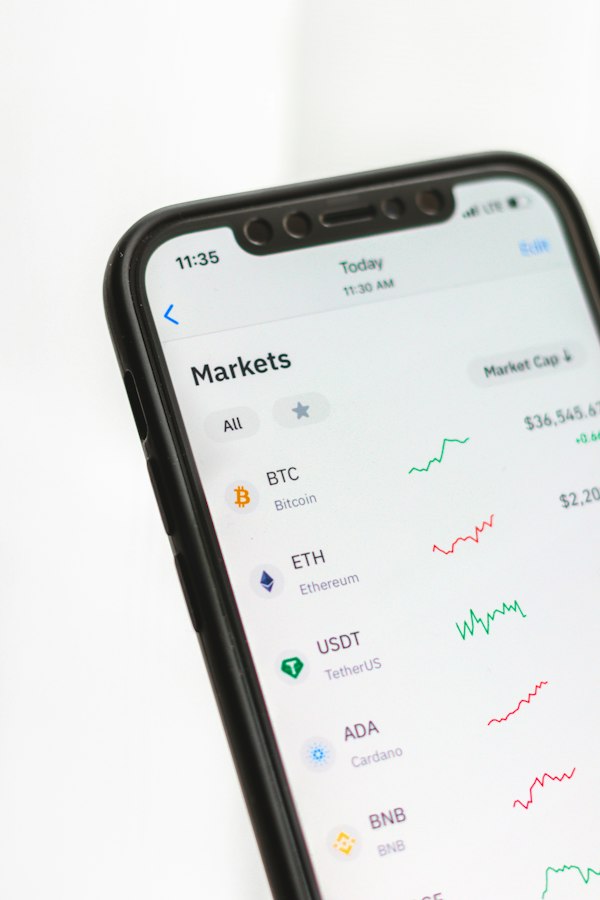
Bitcoin and Ethereum are grappling with their steepest weekly drop since the FTX collapse, shedding a staggering $390 billion in value. This turmoil raises significant concerns for Indian investors in cryptocurrencies and traditional markets alike.
# Background/Context The world of cryptocurrencies has been nothing short of a rollercoaster ride. Bitcoin and Ethereum, the two largest cryptocurrencies by market capitalization, have been under intense pressure, especially in the wake of the FTX collapse last year. Since then, regulatory scrutiny has intensified, not just in the United States but also in India. The Reserve Bank of India (RBI) has maintained a cautious stance on cryptocurrencies, while the Securities and Exchange Board of India (SEBI) is working on frameworks to regulate this volatile market.
As of late October 2023, Bitcoin was trading around ₹3,500,000 (approximately $42,000), and Ethereum hovered near ₹240,000 (around $2,900). However, recent developments have sent shockwaves through the crypto market, drastically affecting the valuations of these digital assets.
# What Happened Over the past week, Bitcoin has dropped by over 15%, while Ethereum has seen a decline of approximately 20%. This downturn represents one of the worst weekly performances for these cryptocurrencies since the fallout from the FTX scandal in late 2022. Collectively, these cryptocurrencies lost around $390 billion in market value, a significant blow to investors and a stark reminder of the inherent volatility in the crypto space.
The decline has been attributed to various factors, including a series of negative regulatory announcements from major economies, including the U.S., which has intensified scrutiny on crypto exchanges and their operations. Market sentiment has also been affected by macroeconomic pressures such as rising interest rates and inflation concerns, leading investors to reconsider their positions in riskier assets like cryptocurrencies.
# Market Reaction In the wake of these developments, Indian stock markets have reacted with caution. The Nifty 50 index, which represents the top 50 companies on the National Stock Exchange (NSE), witnessed a decline of about 2% over the week, reflecting investors' apprehension about the broader market environment. The Bombay Stock Exchange (BSE) also mirrored this sentiment with a similar drop.
The Indian rupee (₹) has weakened against the dollar, trading at around ₹83.50 to $1, influenced by the global risk-off sentiment and rising oil prices, which further complicates the economic landscape for Indian investors.
# Implications for Indian Investors For Indian investors, the implications of this market turmoil are multifaceted. First, the significant decline in cryptocurrency values places a spotlight on the importance of diversification in investment portfolios. Many Indian investors have embraced SIPs (Systematic Investment Plans) in mutual funds as a safer alternative, given the unpredictable nature of crypto investments.
The RBI has been exploring the possibility of a digital rupee, which may offer a more stable alternative for tech-savvy investors wary of the volatility in cryptocurrencies. Additionally, traditional investment instruments like Fixed Deposits (FDs) are gaining traction, particularly in times of uncertainty, as they offer guaranteed returns and capital protection.
Furthermore, this situation may lead to increased regulatory clarity from SEBI and the RBI. Investors should keep a close eye on any announcements that could impact the future of cryptocurrency trading and investment in India.
# What to Watch Next As we move forward, several key factors will influence market dynamics: 1. **Regulatory Developments**: Watch for any updates from SEBI or the RBI regarding cryptocurrency regulations. A clearer regulatory framework could either restore confidence or further dampen market spirits. 2. **Global Economic Indicators**: Pay attention to U.S. inflation reports and Federal Reserve meetings, as these will impact global liquidity and risk appetite. 3. **Market Sentiment**: Monitor changes in market sentiment towards risk assets. A shift in investor confidence could lead to rebounds in both crypto and equity markets. 4. **Technological Advancements**: Look for innovations in blockchain and cryptocurrencies that could change the landscape, including potential upgrades to existing networks or new regulatory-compliant platforms.
# What Should You Do? - **Reassess Your Portfolio**: If you’re heavily invested in cryptocurrencies, consider diversifying into more stable assets like mutual funds or FDs. - **Stay Informed**: Regularly read financial news and updates on regulatory changes, especially those concerning cryptocurrencies in India. - **Utilize SIPs**: If you're new to investing or looking for a safer approach, consider SIPs in mutual funds to build wealth gradually. - **Avoid Panic Selling**: In volatile markets, it's essential to avoid knee-jerk reactions. Assess your investment strategy and make informed decisions rather than reacting to short-term market movements.
In this turbulent environment, it's crucial for investors to stay grounded, informed, and strategic in their approach to navigating both the cryptocurrency space and traditional markets.
Disclaimer: This article is for informational purposes only and does not constitute financial advice. Please consult a fee-only CFP or SEC-registered investment advisor before making investment decisions.


