Crypto Selloff Takes $1.5 Billion Bite Out of Leveraged Bets: What It Means for Indian Investors
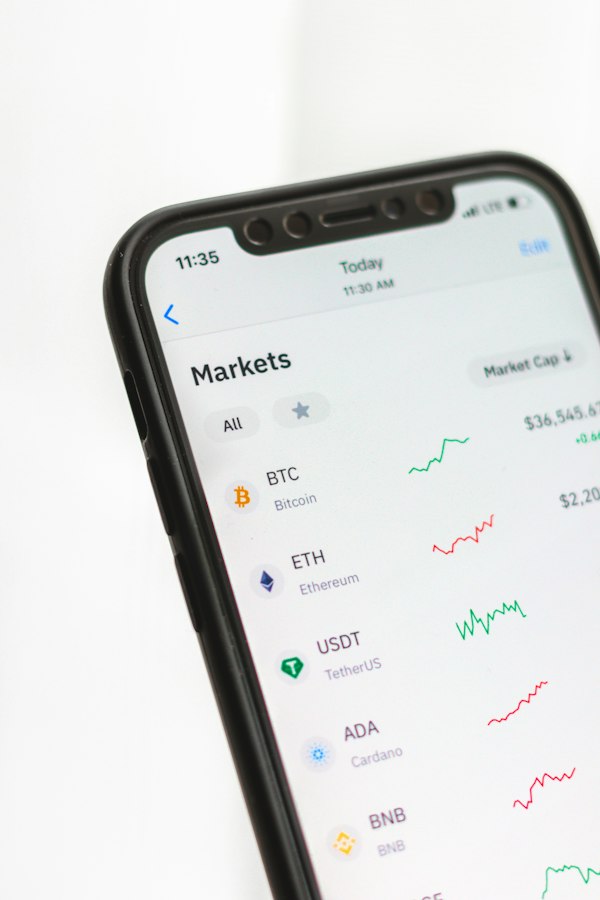
The recent selloff in Bitcoin, Ethereum, and XRP has sent ripples through the global crypto market, wiping out a staggering $1.5 billion in leveraged positions. For Indian investors, particularly those engaged with the rapidly evolving crypto landscape, this downturn is a crucial moment to reassess risk and strategy.
# Background: A Volatile Landscape
In recent months, cryptocurrencies have been on a rollercoaster ride, capturing headlines and investor interest worldwide. Bitcoin (BTC), Ethereum (ETH), and XRP have been at the forefront of this volatility, with fluctuations driven by various factors, including regulatory scrutiny, market sentiment, and macroeconomic trends. The Reserve Bank of India (RBI) has consistently expressed caution regarding cryptocurrencies, urging investors to tread carefully due to the potential for significant losses.
In India, the crypto market has seen a surge in retail participation, especially among younger investors eager to tap into this digital gold rush. However, the RBI’s warnings have not deterred many from engaging in leveraged trading. As of late 2022, reports indicated that almost 60% of Indian crypto investors were dabbling in leverage, often amplifying their risks.
# What Happened: The Selloff Unfolds
The latest downturn began as market sentiments turned bearish, exacerbated by a combination of profit-taking and regulatory fears. Bitcoin, which recently hovered around ₹5,000,000 (approximately $60,000), plummeted to around ₹4,000,000 (about $48,000) in a matter of days. Ethereum followed suit, dropping from ₹350,000 to ₹275,000. XRP, once viewed as a potential game-changer, faced a sharp decline as well.
This swift downturn triggered a wave of liquidations in leveraged positions across exchanges, leading to a staggering loss of approximately $1.5 billion in just 24 hours. According to data from CoinDesk, more than 200,000 traders were liquidated during this period, highlighting the fragility of the leveraged trading ecosystem.
# Market Reaction: A Ripple Effect on Indian Markets
In response to the selloff, Indian crypto exchanges experienced increased trading volumes as investors looked to capitalize on lower prices. However, the broader sentiment in the Indian stock markets was cautious. The Nifty 50 index, which represents India's top companies, showed signs of weakness, dipping by 1.5% during the selloff week.
Additionally, the Securities and Exchange Board of India (SEBI) and RBI were quick to reiterate their stances on investor caution, urging individuals to ensure they are aware of the risks associated with crypto investments. Financial analysts have pointed out that this selloff serves as a stark reminder of the inherent volatility of the crypto market, particularly for those who may have entered without a solid understanding of the risks involved.
# Implications for Indian Investors: Risk Assessment is Key
For Indian investors, this recent selloff raises critical questions about the future of crypto investments in a country that is still defining its regulatory stance. The RBI’s ongoing discussions about potential central bank digital currency (CBDC) and tighter regulations on private cryptocurrencies underscore the uncertainty ahead. Investors must navigate this environment carefully, balancing between the allure of potential high returns and the inherent risks of market volatility.
Additionally, the current trends suggest a growing need for education around instruments like Systematic Investment Plans (SIPs) and mutual funds, which provide a more stable investment avenue. While crypto investments can offer high returns, they come with high risk, making diversification strategies essential.
# What to Watch Next: Trends to Monitor
As the crypto market continues to evolve, several trends will be crucial for investors to monitor. The responses from regulatory bodies like RBI and SEBI regarding potential new regulations will be pivotal. Furthermore, keeping an eye on global economic indicators, such as inflation rates and interest rates, will help gauge crypto market performance.
Also, watch for how major players in the crypto space—like Bitcoin and Ethereum—react in the coming weeks. Will they stabilize, or will further volatility ensue? Indian investors should be prepared for both scenarios, ensuring they have a robust risk management strategy in place.
# What Should You Do? 1. **Reassess Your Crypto Holdings:** Evaluate your current investments in cryptocurrencies. If you are heavily leveraged, consider reducing exposure until market conditions stabilize. 2. **Diversify Your Portfolio:** Look into traditional financial instruments like mutual funds or fixed deposits (FDs) to balance your risk. SIPs in mutual funds can provide stable, long-term growth. 3. **Stay Informed:** Keep abreast of regulatory updates from the RBI and SEBI, as well as global economic trends that could impact the crypto market. 4. **Educate Yourself:** If you’re new to crypto investing, take the time to learn about market mechanics, risks, and strategies before committing significant capital.
As the crypto landscape continues to shift, Indian investors must remain vigilant and informed, ensuring their strategies align with both their risk tolerance and investment goals. This moment presents an opportunity for reflection and recalibration amid the chaos of market movements.
Disclaimer: This article is for informational purposes only and does not constitute financial advice. Please consult a fee-only CFP or SEC-registered investment advisor before making investment decisions.
More News

The $6.3 Billion Crypto Heist: What It Means for Indian Investors
5 min read

The Ripple Effect: Iran's Claims of Tanker Attacks and Its Impact on Indian Markets
5 min read

Novartis Faces New Challenges in India’s Pharma Landscape Amid Patent Cliff Concerns
5 min read