Crypto Markets Dive: What US Investors Should Know About the Indian Context
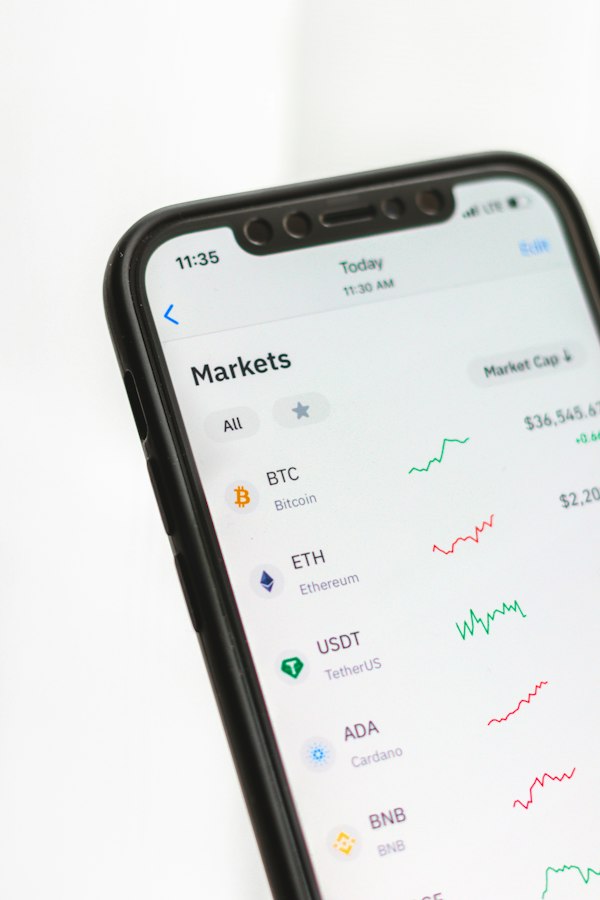
The recent selloff in major cryptocurrencies like Ether, XRP, and Dogecoin has echoed through global markets, shaking investor confidence and raising eyebrows among Indian regulators. As the tech sector grapples with its own challenges, the implications for Indian investors navigating this turbulent landscape are significant and warrant close attention.
# Background/Context
Cryptocurrencies have continued to capture the attention of investors, and with the recent high volatility seen in assets like Bitcoin and Ether, the market has once again found itself in a precarious position. In tandem with this crypto turbulence, tech stocks in the United States have also taken a hit, reflecting broader concerns about regulatory scrutiny and market sustainability. For US investors, understanding how these shifts in the cryptocurrency market relate to Indian equities and regulatory responses may provide crucial insights.
In India, the Reserve Bank of India (RBI) and the Securities and Exchange Board of India (SEBI) have been paying close attention to the burgeoning crypto space. The RBI has consistently expressed concerns about the potential risks associated with cryptocurrencies, advocating for a cautious approach. Meanwhile, SEBI is looking to impose more stringent regulations to safeguard investors, which could further impact market sentiment.
# What Happened
In the past week, a broad selloff in cryptocurrencies occurred, with Ether plummeting as much as 15%, XRP dropping nearly 12%, and Dogecoin facing a steep decline of around 10%. This wave of selling was predominantly driven by concerns over rising interest rates and increasing regulatory scrutiny in the US, which has left investors feeling nervous. The crypto market, often seen as highly speculative, reacted sharply, reflecting the fragility of market confidence.
In India, this downturn has not gone unnoticed. The Nifty 50, India's benchmark stock index, also recorded a downturn in the wake of the global selloff. In the last week alone, Nifty slipped by 3% to close at approximately ₹17,500. Investors have been watching the interplay between equities and cryptocurrencies closely, as heightened volatility in one often leads to reactions in the other.
# Market Reaction
The immediate response from market analysts and investors to the crypto selloff has been one of caution. The Indian equity markets felt the ripple effects, with major indices on the National Stock Exchange (NSE) and Bombay Stock Exchange (BSE) reacting negatively.
According to market analyst Ramesh Kumar of ICICI Direct, "The decline in crypto prices generally leads to a broader risk-off sentiment among investors, which impacts both tech stocks and broader markets. This correlation has been particularly strong in recent months, as many retail investors have diversified into both equities and cryptocurrencies."
As a result, many retail investors in India who had previously engaged in Systematic Investment Plans (SIPs) for mutual funds are now reconsidering their strategies. The Indian mutual fund industry, which has grown significantly over the past few years, has seen an outflow of investments as market sentiment turns sour.
# Implications for Indian Investors
For Indian investors, the implications of the recent crypto selloff and its impact on tech stocks are multifaceted. Firstly, those who have invested in cryptocurrencies must brace for continued volatility. Regulatory environments in India are still evolving, and any sudden changes could have a pronounced effect on prices and investor sentiment.
Moreover, the RBI has hinted at the possibility of introducing its own Central Bank Digital Currency (CBDC), which could fundamentally alter the landscape of digital currencies in India. This announcement could provide a more stable alternative for investors wary of the fluctuations seen in assets like Ether and Dogecoin.
On the equity side, investors might want to reassess their portfolios. The technology sector, which has been a darling for many retail investors, is now facing a reckoning as valuations come under pressure. Wealth managers like HDFC Securities advise a more diversified approach, recommending that investors balance their portfolios with Fixed Deposits (FDs) and traditional equity investments to mitigate risk.
# What to Watch Next
As we look ahead, several key factors will shape the investment landscape for Indian investors. 1. **Regulatory Developments**: Keep an eye on announcements from RBI and SEBI regarding cryptocurrency regulations. Any significant policy shifts could directly impact the market. 2. **Interest Rate Trends**: The US Federal Reserve’s approach to interest rates will likely influence global markets. A continued rise in rates could exacerbate volatility in both crypto and equity markets. 3. **Market Sentiment**: Watch for signals from major global economies. Any signs of recovery or further downturn in tech stocks may create ripple effects in Indian markets, particularly among retail investors who are increasingly interconnected with global trends. 4. **Technological Innovations**: Stay updated on developments regarding CBDCs and other financial technologies that could change how transactions are conducted and how cryptocurrencies are perceived.
# What Should You Do?
1. **Review Your Portfolio**: Assess your investments in both cryptocurrencies and tech stocks. Consider diversifying into more stable assets like FDs or bonds if your risk appetite has changed. 2. **Stay Informed on Regulations**: Make sure you are up to date with the latest news on regulatory changes, as this could affect your investment strategy significantly. 3. **Consider SIPs for Stability**: If you are looking to enter or remain in equity markets, consider increasing your SIP contributions in mutual funds focused on large-cap or balanced funds for stability amidst volatility. 4. **Consult with Financial Advisors**: Engage with financial advisors to tailor your investments according to your risk tolerance and financial goals, especially during uncertain market conditions.
The current market scenario serves as a reminder of the need for vigilance and adaptability. As the crypto landscape evolves, it’s essential for investors to remain proactive and informed.
Disclaimer: This article is for informational purposes only and does not constitute financial advice. Please consult a fee-only CFP or SEC-registered investment advisor before making investment decisions.


