Crypto Advocates Challenge Illinois Over Digital Asset Tax: An Indian Investor's Perspective
Illinois' new digital asset tax is facing a lawsuit from crypto advocates, raising questions about the regulatory landscape in the U.S. and its implications for Indian investors. As India continues to navigate its own crypto regulations, this legal battle highlights the need for clarity in taxation and investment strategies.
# Background/Context The cryptocurrency landscape has been a whirlwind of innovation and controversy, particularly as global regulators grapple with the booming digital asset market. While the U.S. is currently facing scrutiny over its regulatory frameworks, India is navigating a complex path of its own, with the Reserve Bank of India (RBI) and the Securities and Exchange Board of India (SEBI) closely monitoring developments. In recent news, Illinois has introduced a digital asset tax that has drawn the ire of crypto advocates and investors alike. The tax, which aims to generate revenue from transactions involving cryptocurrencies such as Bitcoin and Ethereum, has sparked a lawsuit challenging its legality. This situation presents a thought-provoking opportunity for Indian investors to reflect on their own investment strategies in the volatile crypto landscape.
# What Happened The state of Illinois recently enacted a new tax on digital assets, which has caught the attention of crypto advocates. Prominent organizations, including the Blockchain Association, have filed a lawsuit against the state, arguing that the tax is unconstitutional and unfairly targets an emerging asset class. The tax could impose a hefty burden on crypto transactions, leading to potential declines in trading volumes and liquidity. This legal battle has the potential to set a precedent for how cryptocurrencies are treated in the U.S. and beyond.
In India, the conversation around crypto taxation has also intensified. The Union Budget of 2022 introduced a 30% tax on gains from digital assets, along with a 1% Tax Deducted at Source (TDS) on transactions. These measures have caused a stir among Indian crypto investors, many of whom are now reassessing their strategies amidst these new regulations. The RBI's cautious stance on cryptocurrencies, coupled with the evolving regulatory framework, creates a unique environment for Indian investors to watch as they evaluate their options in the digital asset space.
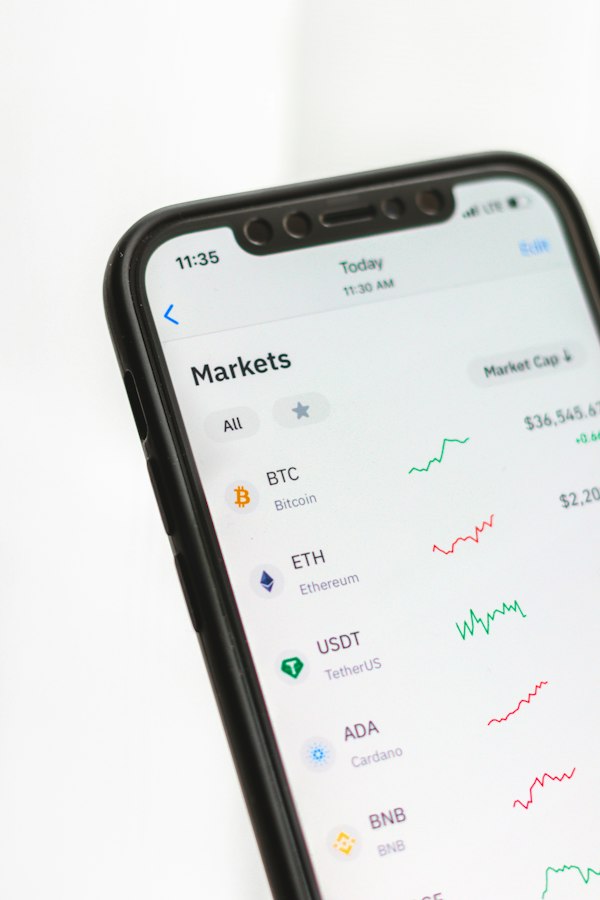
# Market Reaction The announcement of the Illinois digital asset tax led to an immediate reaction in both U.S. and global markets. Major cryptocurrencies experienced volatility, with Bitcoin dipping to around $45,000 and Ethereum trading at approximately $3,000 at the time of the news. According to CoinMarketCap, the overall market capitalization of cryptocurrencies fell by nearly 5% in the wake of the announcement. This decline mirrors the cautious sentiment among investors regarding the evolving regulatory landscape.
In India, the crypto market has also felt the ripples of international news. With the Nifty 50 index reflecting a broader sentiment of investor caution, there is growing interest in how regulatory developments in markets like the U.S. will influence India's own crypto ecosystem. Domestic players, such as WazirX and CoinDCX, are watching closely as they assess the potential impacts on trading volumes and investor confidence.
# Implications for Indian Investors For Indian investors, the lawsuit against Illinois highlights a crucial aspect of the global investment landscape: regulatory clarity. As the Indian government continues to refine its stance on cryptocurrencies, the outcomes of such legal battles could influence policymakers in New Delhi. Investors in India should consider how these developments could affect their own investment strategies.
Moreover, the impact of taxation on crypto transactions is significant. The 30% tax rate in India is already one of the highest globally, and any further regulatory measures could stifle investment and innovation. Indian investors must weigh the risks and rewards carefully, especially as they navigate the complexities of the digital asset market.
# What to Watch Next As the legal battle in Illinois unfolds, it will be essential for Indian investors to monitor the following: 1. **Legislative Developments**: Keep an eye on any changes to regulations or proposed bills in India concerning cryptocurrencies. The ongoing discussions in Parliament could lead to new tax structures or compliance requirements. 2. **Market Trends**: Observe how the crypto market reacts to regulatory changes, both in the U.S. and India. Market sentiment often shifts based on news, and understanding these trends can guide investment decisions. 3. **Investor Sentiment**: Watch for shifts in investor confidence. As regulatory frameworks become clearer, the willingness of investors to engage with digital assets may change dramatically. 4. **International Comparisons**: Pay attention to how other countries are handling cryptocurrency regulations and taxation. Learning from global experiences can provide valuable insights for Indian investors.
# What Should You Do? 1. **Stay Informed**: Regularly update yourself on regulatory changes in India and abroad. Knowledge is power, especially in a rapidly evolving market like cryptocurrency. 2. **Diversify Investments**: Consider diversifying your investment portfolio beyond cryptocurrencies. Look into mutual funds, Systematic Investment Plans (SIPs), or Fixed Deposits (FDs) for more stable returns in uncertain times. 3. **Consult Financial Advisors**: Given the complexities surrounding cryptocurrency investments and taxation, consulting with a financial advisor can provide personalized insights tailored to your financial goals. 4. **Engage with the Community**: Join discussion forums or groups focused on crypto investments. Engaging with other investors can provide valuable perspectives and strategies to navigate the market effectively.
As the situation develops, Indian investors should remain vigilant and adaptable, ready to seize opportunities while managing risks in the ever-changing landscape of cryptocurrency investments.
Disclaimer: This article is for informational purposes only and does not constitute financial advice. Please consult a fee-only CFP or SEC-registered investment advisor before making investment decisions.


