Corporate Demand for Bitcoin Weakens: Implications for Indian Investors
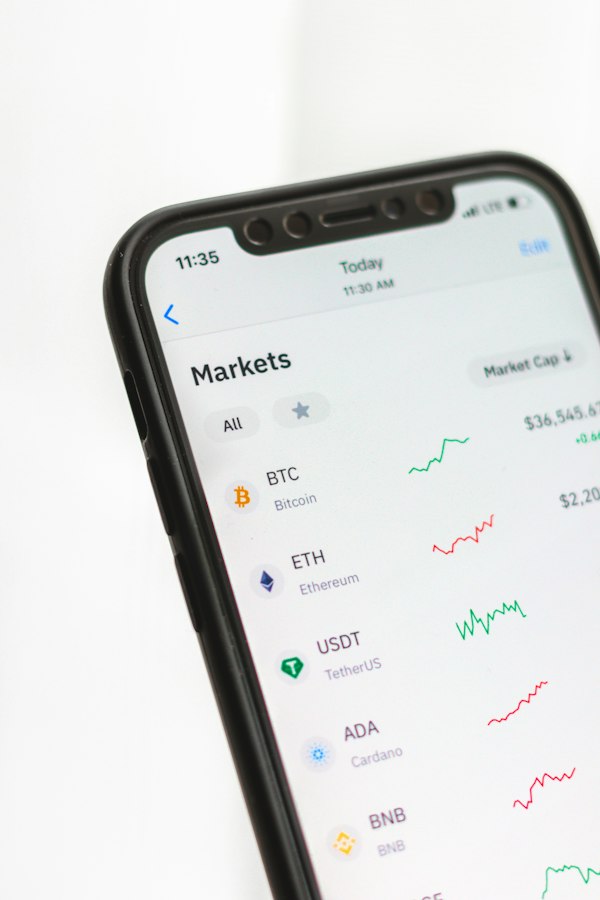
Corporate treasuries have shown a lackluster interest in Bitcoin, purchasing only 5,900 BTC in the past three months. This trend, coupled with other weak demand signals, raises questions about the sustainability of cryptocurrency investments in India and beyond.
# Background/Context In the ever-evolving landscape of cryptocurrency, Bitcoin has often been touted as the digital gold—a store of value and a hedge against inflation. However, recent reports indicate that corporate treasuries have significantly scaled back their Bitcoin purchases, acquiring just 5,900 BTC over the past three months. This figure is a stark contrast to the more aggressive accumulation seen in previous years, particularly during the cryptocurrency market's bull runs.
Globally, institutional investors have been pivotal to Bitcoin’s surge in value, with large corporations like MicroStrategy and Tesla once leading the charge. But the current market dynamics suggest a cooling off, which could have ripple effects on global demand and investment strategies, particularly for Indian investors who have shown considerable interest in cryptocurrency.
# What Happened According to a report from CoinDesk, corporate treasuries have been grappling with various challenges that have dampened enthusiasm for Bitcoin. The total of 5,900 BTC represents a significant slump compared to earlier periods when companies were buying in the thousands and even millions of dollars' worth of the cryptocurrency. Increasing regulatory scrutiny, coupled with the volatility witnessed in 2022, has made many corporations reconsider their crypto strategies.
In India, the Reserve Bank of India (RBI) has maintained its cautious stance on cryptocurrency, reiterating its concerns about potential risks to financial stability. The Securities and Exchange Board of India (SEBI) is also yet to establish a comprehensive framework for crypto assets, adding to the uncertainty. These factors can make Indian investors feel wary about putting their money into an asset class that is already facing headwinds, both domestically and internationally.
# Market Reaction The subdued interest from corporate treasuries has naturally triggered a response in the cryptocurrency markets. Bitcoin's price has shown volatility, with recent trading hovering around ₹5.2 million ($63,000) per BTC, down from its all-time high of nearly ₹6 million ($72,000) recorded in 2021. The broader crypto market, including Ethereum and altcoins, has also reflected this downturn, as the fear of reduced institutional demand weighs heavily on investor sentiment.
The National Stock Exchange (NSE) and Bombay Stock Exchange (BSE) have also noted that mutual funds and Exchange-Traded Funds (ETFs) that invest in cryptocurrencies have seen a decline in inflows. For Indian investors, this downturn could signal a cautionary tale about the risks associated with speculative instruments.
# Implications for Indian Investors For Indian investors, the recent decline in corporate demand for Bitcoin underscores the importance of being cautious. While the allure of quick gains can be tempting, the volatility that accompanies cryptocurrencies is a double-edged sword. If major corporations are scaling back their investments, it could lead to a prolonged bear market, affecting retail investors, many of whom entered the market during the peak.
Furthermore, with the RBI's continued skepticism towards cryptocurrencies, investors should be prepared for potential regulatory changes that could affect their holdings. The central bank is already exploring the introduction of a Central Bank Digital Currency (CBDC), which could pose competition to existing cryptocurrencies.
Indian investors should also consider diversifying their portfolios. While SIPs in mutual funds, fixed deposits (FDs), and traditional equities have their own risks, they are well-regulated and backed by the Indian financial system, making them a safer alternative in times of uncertainty.
# What to Watch Next Investors should keep a close eye on several key factors in the coming months. First, watch for any regulatory announcements from the RBI and SEBI regarding cryptocurrencies. Any clear guidelines could either boost confidence in the sector or further dampen interest.
Second, monitor the movements of institutional investors globally. Should corporate buying increase again, it could lead to renewed interest from retail investors, potentially signaling a rebound in prices.
Lastly, be aware of the technological developments within the crypto space. Innovations like Layer 2 solutions and the ongoing discussions around Ethereum's transition to proof-of-stake are crucial to the long-term viability and adoption of cryptocurrencies.
# What Should You Do? 1. **Stay Informed**: Keep abreast of regulatory changes in India regarding cryptocurrencies. Familiarize yourself with the RBI's stance and any updates from SEBI. 2. **Diversify Investments**: Consider balancing your portfolio with traditional investments like mutual funds and FDs, which offer stability compared to the volatility of cryptocurrencies. 3. **Conduct Thorough Research**: Before investing in any cryptocurrency, ensure you have done your due diligence. Look into market trends, historical performance, and expert opinions. 4. **Stay Cautious with SIPs**: While SIPs in mutual funds are generally safer, ensure that the funds you choose have a solid track record and are not overly exposed to risky assets like cryptocurrencies.
In this uncertain climate, maintaining a balanced approach toward investments will be key to navigating the evolving dynamics of the financial markets, both in India and abroad.
Disclaimer: This article is for informational purposes only and does not constitute financial advice. Please consult a fee-only CFP or SEC-registered investment advisor before making investment decisions.


