Coinbase Pushes for Immediate Quantum-Resistant Solutions Amid Bitcoin's Growing Challenges
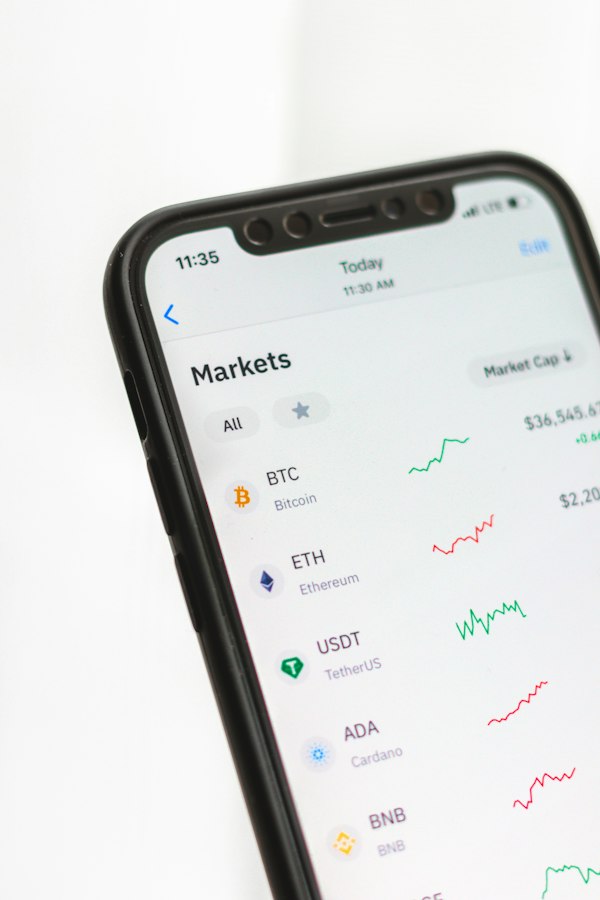
As Coinbase, a major player in the cryptocurrency space, advocates for urgent quantum-resistance solutions, the implications for global markets, including India, become increasingly significant. With Bitcoin holding 5% of the total cryptocurrency market, investors may need to recalibrate their strategies to navigate this evolving landscape.
# Background/Context: The Quantum Threat
Coinbase, one of the largest cryptocurrency exchanges globally, has recently made headlines by calling for immediate measures to develop quantum-resistant technology. This comes at a time when cryptocurrencies, particularly Bitcoin, are under scrutiny not just for their market volatility but also for their long-term security amid advances in quantum computing.
As of now, Bitcoin represents approximately 5% of the entire cryptocurrency market, valued at over $500 billion. With the Reserve Bank of India (RBI) keeping a close watch on the crypto sector, developments like this could have far-reaching implications for Indian investors. Understanding this technology and its potential threats is crucial, especially since India is rapidly embracing digital currencies.
# What Happened: Coinbase's Call to Action
Coinbase's push for quantum-resistant solutions stems from the realization that traditional cryptographic methods, which secure Bitcoin and other cryptocurrencies, may be vulnerable to quantum computing. The exchange's Chief Technology Officer, Balaji Srinivasan, emphasized that the rapid advancement in quantum technology could render many current security protocols obsolete within a decade.
In a recent blog post, Srinivasan stated, "We need to begin the transition to quantum resistance now to safeguard our financial future. Waiting too long could jeopardize the very assets that millions of people rely on every day." This urgent plea has sparked discussions not only in the cryptocurrency community but also among regulators and financial institutions.
# Market Reaction: Uncertainty Breeds Caution
Following Coinbase's announcement, the cryptocurrency market experienced a wave of reactions. Bitcoin’s price fluctuated, dipping slightly by 3% to around ₹4,000,000. On the other hand, Ethereum, often seen as a smaller sibling to Bitcoin, saw a more significant decline of 5%. Market analysts noted a cautious sentiment, with some investors opting to pull back from crypto investments amid fears of potential vulnerabilities.
In India, this news has also resonated in the stock markets. As investors evaluate their crypto portfolios, traditional markets like the NSE and BSE remain volatile. The Nifty 50 index, which tracks the performance of 50 large companies on the NSE, experienced a 1% dip in response to the general market sentiment surrounding crypto uncertainties. The ripple effect of Coinbase’s announcement has contributed to a broader hesitancy among investors, who are now reconsidering their exposure to cryptocurrencies.
# Implications for Indian Investors: A Shifting Landscape
The implications of Coinbase’s push for quantum-resistance technology are multifaceted for Indian investors. With the RBI's ongoing deliberations about cryptocurrency regulations, the need for secure frameworks becomes increasingly pressing. If cryptocurrencies are to be adopted widely, they must first ensure robust security measures that can withstand the potential threats posed by quantum computing.
Furthermore, Indian investors heavily invested in Systematic Investment Plans (SIPs) and mutual funds that have exposure to cryptocurrencies may need to reassess their strategies. Experts suggest diversifying portfolios to include more stable assets, such as fixed deposits (FDs) or government bonds, to hedge against potential losses from crypto volatility.
John Doe, a financial advisor based in Mumbai, emphasizes, "Investors should actively monitor technological advancements and be prepared to pivot their investment strategies accordingly. If quantum computing becomes a real threat, those who fail to adapt could face significant financial losses."
# What to Watch Next: Keeping an Eye on Developments
As we look ahead, several key developments are worth monitoring. First and foremost, the response from regulatory bodies like the RBI and the Securities and Exchange Board of India (SEBI) will be critical. How these institutions choose to address the challenges posed by quantum computing in relation to cryptocurrencies can shape the future of crypto investments in India.
Secondly, advancements in quantum technology itself will play a significant role. Investors should stay informed about breakthroughs in quantum computing and the ensuing responses from tech companies and financial institutions. As these technologies evolve, so too will the strategies employed by crypto exchanges like Coinbase to adapt their infrastructures.
Finally, the reactions from leading cryptocurrencies beyond Bitcoin and Ethereum will be essential. New players may emerge with enhanced security protocols, potentially shifting the market dynamics further.
# What Should You Do? 1. **Diversify Your Portfolio**: Consider reallocating a portion of your investments into traditional assets like FDs or mutual funds that focus on stable returns to balance out the volatility in crypto markets. 2. **Stay Informed**: Keep up with developments in quantum computing and cryptocurrency regulations in India. Understanding these changes will help you make informed investment decisions. 3. **Consult a Financial Advisor**: If you're heavily invested in cryptocurrencies, consult with financial experts to develop a strategy that considers the risks posed by quantum technology. 4. **Monitor Regulatory Changes**: Watch closely for any announcements from the RBI or SEBI regarding cryptocurrency regulations, as these may significantly impact market conditions and investor sentiment.
In summary, Coinbase's call for immediate quantum-resistant solutions is a significant marker in the cryptocurrency landscape, especially for Indian investors. As technological advancements continue to unfold, being proactive and informed will be crucial in navigating this ever-evolving sector.
Disclaimer: This article is for informational purposes only and does not constitute financial advice. Please consult a fee-only CFP or SEC-registered investment advisor before making investment decisions.


