Circle's USDC: A Stablecoin Stands Its Ground in a Competitive Market
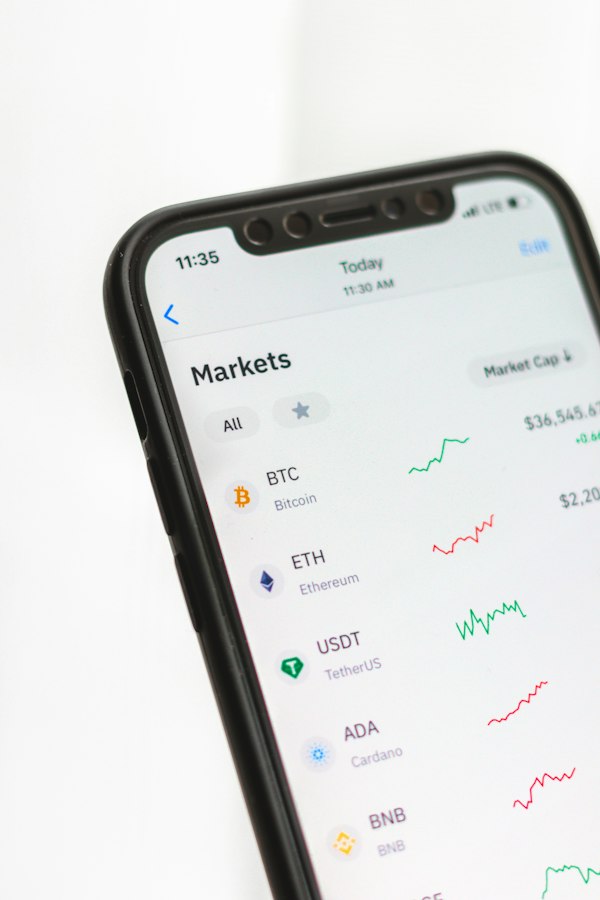
Circle is standing firm in its commitment to USDC's unique economic model even as competitors vie for market share. As stablecoins gain traction in India, investors should pay close attention to these developments and their implications for the broader cryptocurrency landscape.
The world of cryptocurrencies is rapidly evolving, and stablecoins are at the forefront of this transformation. Among them, USDC, a stablecoin issued by Circle, has been gaining attention not just in the United States but also in international markets, including India. While the competition heats up with other stablecoins trying to lure USDC's partners with better incentives, Circle is defending its unique economic structure and the rationale behind its design. This is particularly relevant for Indian investors who are increasingly exploring the crypto space amid regulatory developments and market fluctuations.
# Background: Understanding USDC and Its Role in the Crypto Economy
Stablecoins, like USDC, are digital currencies pegged to traditional fiat currencies, providing the stability of the dollar while operating on blockchain technology. USDC is backed by a one-to-one reserve of U.S. dollars, and its regulatory compliance is a key selling point. Circle, the company behind USDC, has been adamant about maintaining transparency and trust, which has contributed to its adoption among businesses and consumers alike.
The Reserve Bank of India (RBI) has been cautious about cryptocurrencies, but the increasing interest in digital assets has prompted discussions about regulation and frameworks. The Securities and Exchange Board of India (SEBI) is also keeping a close eye on how cryptocurrencies and stablecoins can be integrated into the traditional financial system. With the Nifty 50 index reflecting a bullish trend in various sectors, including fintech and digital assets, the stage is set for further exploration and potential adoption of stablecoins like USDC.
# What Happened: Circle's Defense of USDC Economics
Recently, Circle has come under pressure as competitors such as Tether and various DeFi projects have offered better incentives to USDC's partners, aiming to capture a more significant slice of the stablecoin market. These competitors are enticing businesses with larger cuts from transaction fees and more lucrative liquidity options, putting Circle in a position where it must justify the economic structure of USDC.
Jeremy Allaire, CEO of Circle, emphasized that USDC's strength lies in its regulatory compliance, transparency, and the backing of real-world assets. He argued that while higher incentives may attract partners in the short term, the long-term sustainability and trust of a stablecoin are far more valuable. Circle's commitment to maintaining a robust reserve and adhering to regulatory standards sets USDC apart from its rivals, especially in a market that is still grappling with credibility issues.
# Market Reaction: Investors Weigh In
The market reaction to these developments has been mixed. While USDC remains popular among institutional investors—especially those looking for a compliant stablecoin—the allure of higher returns from competitors is undeniable. Following the announcements from Circle, USDC's market capitalization fluctuated, with the stablecoin currently holding a significant portion of the market, valued at approximately $28 billion.
Cryptocurrency exchanges in India, such as WazirX and CoinDCX, have reported increased trading volumes for USDC as investors seek stable alternatives amid ongoing volatility in other crypto assets like Bitcoin and Ethereum. With the Indian Rupee (₹) still seeing depreciation against the dollar, many local investors view stablecoins as a hedge against currency fluctuations, further enhancing USDC's appeal in the Indian market.
# Implications for Indian Investors: What Does This Mean?
For Indian investors, the developments surrounding USDC and Circle's defense of its economic model have several implications. First, the clarity and transparency offered by USDC may provide a safer avenue for those venturing into cryptocurrency. Given the ongoing regulatory discussions in India concerning crypto assets, USDC’s adherence to compliance could offer a more stable investment vehicle compared to less regulated alternatives.
Moreover, Circle's focus on maintaining a robust reserve means that investors can have greater confidence in the value of their holdings. This is crucial in an environment where many cryptocurrencies have faced scrutiny over their backing and reserve practices.
The competition in the stablecoin market could also lead to innovations in services and features offered, potentially benefiting investors through lower fees or enhanced services as companies strive to outdo each other. Indian investors should keep an eye on these changes as they could influence their investment strategies and the overall market dynamics.
# What to Watch Next: Key Developments on the Horizon
As the stablecoin landscape continues to evolve, here are several key developments that investors should keep an eye on:
1. **Regulatory Frameworks**: Watch for announcements from the RBI and SEBI regarding the future of cryptocurrencies and stablecoins in India, as regulatory clarity could significantly impact market dynamics. 2. **Technological Innovations**: Follow advancements in blockchain technology and how stablecoins like USDC might integrate new features to enhance their utility and security. 3. **Market Trends**: Pay attention to trading volumes and liquidity in stablecoins on Indian exchanges, as a shift could indicate changing investor preferences and market sentiment. 4. **Competitive Strategies**: Observe how Circle and its competitors adjust their strategies to attract partnerships and user adoption, as this could lead to new opportunities for investors.
# What Should You Do?
1. **Diversify Your Portfolio**: If you're considering stablecoin investments, don’t put all your eggs in one basket. Look at a mix of options, including USDC and its competitors, to mitigate risk. 2. **Stay Informed**: Keep abreast of regulatory changes in India that could affect your investments in cryptocurrencies and stablecoins. 3. **Consider Long-Term Value**: Evaluate the long-term sustainability and compliance of stablecoins rather than just short-term incentives when making investment decisions. 4. **Utilize SIPs in Cryptos**: Consider systematic investment plans (SIPs) for purchasing stablecoins, allowing you to average your purchase costs over time while mitigating volatility risks.
As the stablecoin market becomes increasingly competitive, USDC's resilience and Circle's commitment to compliance could play a pivotal role in shaping the future of digital currencies in India. For investors, this landscape offers both challenges and opportunities, making it essential to stay informed and strategically navigate the evolving market.
Disclaimer: This article is for informational purposes only and does not constitute financial advice. Please consult a fee-only CFP or SEC-registered investment advisor before making investment decisions.


