CASHCAT Surges 120% in a Week: Implications for Indian Investors Amidst Growing Blockchain Interest
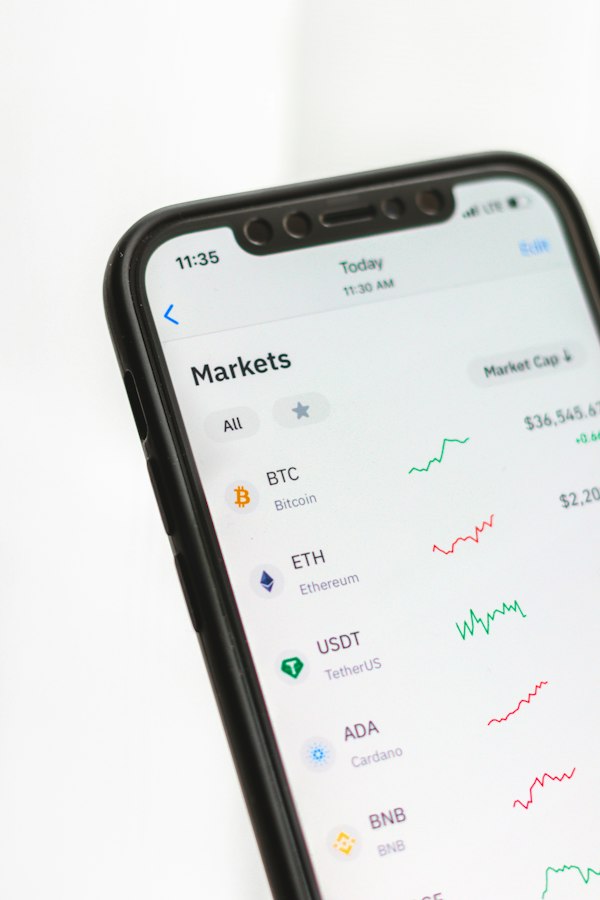
CASHCAT has seen a staggering 120% price surge in just a week as the Robinhood Chain locks in $774 million, signaling strong investor interest in blockchain assets. This unprecedented growth raises questions about the future of cryptocurrency investments in India and how local investors can navigate these turbulent waters.
# Background/Context The cryptocurrency landscape has seen unprecedented shifts over the past few years, especially with the rise of decentralized finance (DeFi) and blockchain technology. In India, where the Reserve Bank of India (RBI) has been cautious about cryptocurrencies, the interest among retail investors continues to grow. Regulatory bodies like the Securities and Exchange Board of India (SEBI) are grappling with how to manage this burgeoning market while ensuring investor safety.
As traditional assets like mutual funds, fixed deposits (FDs), and stock indices on the NSE and BSE have established credibility, cryptocurrencies have emerged as an alternative investment avenue for many. Recently, the spotlight has turned to CASHCAT, which has made headlines by skyrocketing 120% in just one week, coinciding with significant developments in the Robinhood Chain, which has locked in an impressive $774 million in value. Understanding these dynamics is crucial for investors looking to diversify their portfolios into this volatile yet intriguing asset class.
# What Happened? CASHCAT, a relatively lesser-known cryptocurrency, has recently caught the eye of both retail and institutional investors. Over the last week, the token surged dramatically, hitting new price points that many analysts did not anticipate. This upward momentum is attributed to the Robinhood Chain’s locking in approximately $774 million in value, indicating robust interest and trust in this blockchain initiative.
Analysts suggest that the sharp rise in CASHCAT's value can be traced back to several factors, including increased liquidity in the market, partnerships that enhance the utility of the token, and a growing base of active users in the Robinhood ecosystem. The excitement around the Robinhood Chain reflects a broader trend in the blockchain space where decentralization is gaining traction, especially with platforms that prioritize user experience and security.
# Market Reaction The response from the market has been mixed but largely positive. Following the surge in CASHCAT's price, several cryptocurrency exchanges in India reported a spike in trading volumes. For instance, WazirX and CoinDCX, two of India’s leading crypto exchanges, noted that the trading volume for CASHCAT increased by over 250% within just a few days.
The broader market reaction also saw Bitcoin and Ethereum trading at higher levels, as investors look for opportunities in the rapidly evolving crypto landscape. The Nifty 50 index, while primarily focused on traditional stocks, felt ripples from the crypto wave, with many investors reallocating a portion of their portfolios to include newer digital assets. This trend is particularly evident among younger investors who are more open to exploring alternative investment options.
# Implications for Indian Investors For Indian investors, the rise of CASHCAT and the success of the Robinhood Chain could represent both opportunities and challenges. On one hand, the potential for high returns in the crypto space is alluring, especially for those who have embraced systematic investment plans (SIPs) in mutual funds and are now looking for diversification. On the other hand, the volatility inherent in cryptocurrencies poses a risk that could lead to significant losses.
Investors should keep in mind that the regulatory environment in India remains fluid. The RBI has previously expressed concerns over cryptocurrencies and has hinted at a more definitive regulatory framework in the future. As such, while the current market dynamics may be favorable, the long-term outlook can be influenced by regulatory changes. Additionally, the rupee's fluctuation against major currencies like the USD can impact returns on crypto investments, making it essential for investors to consider currency risks.
# What to Watch Next As the cryptocurrency market continues to evolve, there are several key factors that investors should monitor closely. First, any updates from the RBI or SEBI regarding regulations could significantly impact market sentiment. Investors should be on the lookout for announcements that may clarify the legal standing of cryptocurrencies in India, as these could either spur growth or lead to a market correction.
Second, the performance of CASHCAT and the Robinhood Chain over the next few weeks will be telling. Should the upward momentum continue, it could attract more investors into the crypto space, but a downturn could shake confidence. Lastly, keep an eye on global trends, as events in major markets like the US and Europe often have a trickle-down effect on Indian investors and the market as a whole.
# What Should You Do? - **Diversify Your Portfolio**: If you’re currently invested solely in traditional assets, consider allocating a small percentage to cryptocurrencies like CASHCAT, but do so cautiously. - **Stay Informed**: Follow updates from the RBI and SEBI to understand potential regulatory changes that could impact the cryptocurrency market in India. - **Watch for Market Trends**: Keep an eye on trading volumes and market sentiment around CASHCAT and other emerging cryptocurrencies. - **Evaluate Your Risk Tolerance**: Assess your financial goals and risk appetite before jumping into the crypto market. Cryptocurrencies can be highly volatile, and it’s essential to invest only what you can afford to lose.
This week’s developments in the cryptocurrency space, particularly with CASHCAT, underscore the rapidly changing investment landscape in India. By being informed and strategic, investors can navigate these exciting yet unpredictable waters while seeking opportunities for growth amidst the volatility.
Disclaimer: This article is for informational purposes only and does not constitute financial advice. Please consult a fee-only CFP or SEC-registered investment advisor before making investment decisions.


