Bitcoin's Volatility Ramps Up: What U.S. Investors Should Know About the 'Fear Gauge' Surge
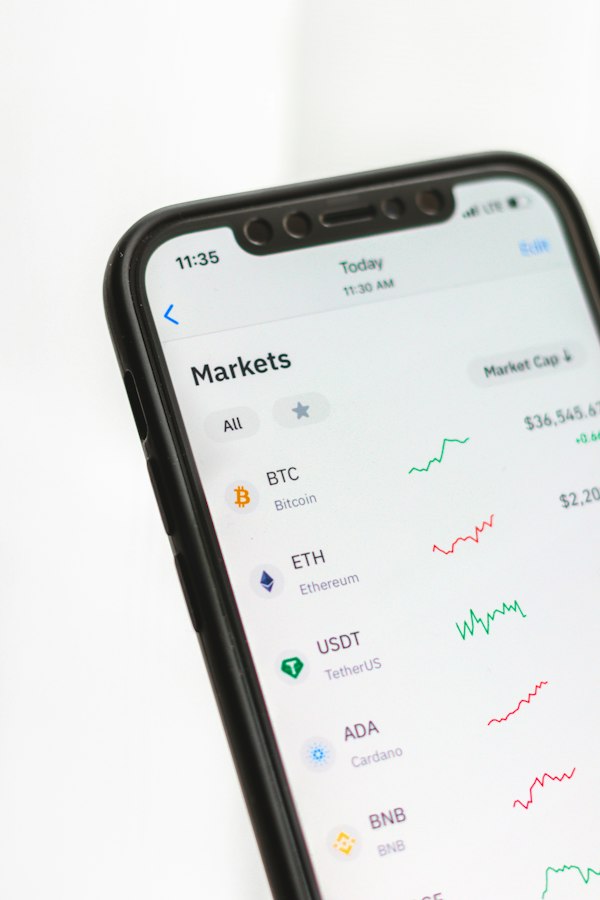
The recent spike in Bitcoin's 'fear gauge' signals turbulent times ahead for cryptocurrencies. U.S. investors, particularly those eyeing opportunities in Indian markets, need to understand the implications of this volatility amidst a broader economic context.
# Background/Context Cryptocurrency markets have always been a rollercoaster ride, marked by periods of explosive growth followed by sharp corrections. With Bitcoin leading the pack, it often serves as a bellwether for the entire crypto sector. Recently, Bitcoin's 'fear gauge'—a measure of market sentiment—surged nearly 20%, marking its biggest jump since the crash on February 5, 2023. This spike raises important questions for investors, particularly those in the U.S. who may be considering exposure to digital assets or even Indian financial markets.
The 'fear gauge,' commonly referred to as the Crypto Fear & Greed Index, reflects the emotional state of the market. When investors are gripped by fear, it typically indicates potential for price declines, while greed can signal overvaluation. The recent spike suggests a growing sense of unease among investors, especially in light of regulatory scrutiny and macroeconomic factors that could impact digital currencies.
# What Happened The surge in Bitcoin's fear gauge comes at a time when global markets are grappling with a host of challenges, including rising inflation, tightening monetary policies, and geopolitical tensions. In India, the Reserve Bank of India (RBI) has been cautious about cryptocurrencies, issuing warnings about their speculative nature and emphasizing the need for robust regulation. Meanwhile, the Securities and Exchange Board of India (SEBI) is working on frameworks that could potentially govern crypto transactions and investments.
On a technical level, Bitcoin's price fluctuated between ₹4,000,000 and ₹4,500,000 over the last month, showcasing its notorious volatility. The surge in the fear gauge coincided with negative news cycles, such as regulatory crackdowns in the U.S. and other countries, which have contributed to investor skittishness. With Ethereum and other altcoins following Bitcoin's lead, the overall market capitalization for cryptocurrencies fell by approximately 15% during this turbulent period, underscoring the broad market implications of Bitcoin's movements.
# Market Reaction The immediate aftermath of the fear gauge's surge saw Bitcoin's price drop to around ₹4,200,000, where it has hovered since. This decline has prompted mixed reactions from U.S. investors—some see it as a buying opportunity, while others prefer to wait for clearer regulatory signals before committing capital.
In the Indian context, the National Stock Exchange (NSE) and Bombay Stock Exchange (BSE) have yet to fully embrace cryptocurrency exchanges as they remain under the purview of SEBI and the RBI. While traditional investments such as mutual funds, Systematic Investment Plans (SIPs), and Fixed Deposits (FDs) continue to attract attention, many investors remain curious about the potential for cryptocurrency as an alternative asset class.
# Implications for Indian Investors For Indian investors, the implications of Bitcoin's volatility are twofold. Firstly, the RBI's cautious stance on cryptocurrencies means that potential investments will require careful consideration and risk assessment. Crypto-related investments in India remain highly speculative, and many investors are still grappling with the lack of clear regulatory guidelines.
Secondly, the influx of U.S. investors into the Indian market seeking diversification can lead to greater scrutiny of Indian companies involved in blockchain technology or cryptocurrency. As the Nifty and Sensex indices remain resilient, outperforming many global counterparts, any significant shift in investor sentiment towards cryptocurrencies may impact even traditional equities in India.
# What to Watch Next As we look ahead, several key developments could shape the landscape for Bitcoin and cryptocurrencies at large. First, keep an eye on regulatory responses both in the U.S. and India. Changes in policy could create ripple effects that either bolster or undermine market confidence.
Second, watch for technological advancements in the blockchain space that could shift the way cryptocurrencies are perceived. Innovations may lead to new use cases that could stabilize the market and attract institutional investors.
Lastly, economic indicators such as inflation rates and central bank policies will continue to play a vital role in shaping investor sentiment. The RBI's interest rate decisions, especially in relation to inflation control, will also have a significant impact on how Indian investors view speculative assets like Bitcoin.
# What Should You Do? 1. **Stay Informed**: Keep up with the latest news on cryptocurrency regulations in both the U.S. and India. Understanding the evolving landscape can help you make informed investment decisions. 2. **Diversify Wisely**: If you’re considering investing in cryptocurrencies, remember to diversify your portfolio. Don’t put all your eggs in one basket; include traditional assets like equities, mutual funds, and FDs. 3. **Evaluate Risk Tolerance**: Assess your risk appetite before diving into crypto investments. Given the high volatility, it’s crucial to know how much risk you can bear without jeopardizing your financial health. 4. **Consult Professionals**: If unsure, consult with financial advisors who understand both the Indian and U.S. markets. They can provide tailored advice based on your investment goals and risk profile.
Keeping an eye on these factors can go a long way in navigating the complex and ever-evolving world of cryptocurrencies and investments in Indian markets. The current surge in Bitcoin's fear gauge serves as a reminder that while opportunities abound in digital assets, caution and diligence remain paramount for any investor, especially in these uncertain times.
Disclaimer: This article is for informational purposes only and does not constitute financial advice. Please consult a fee-only CFP or SEC-registered investment advisor before making investment decisions.


