Bitcoin's Uneven Terrain: What a $150 Billion Treasury Operation Could Mean for Indian Investors
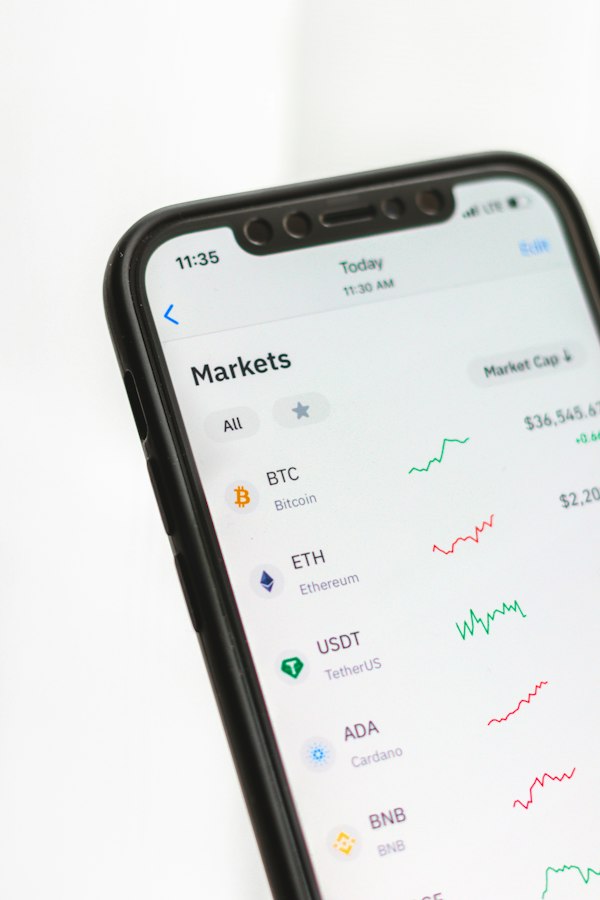
As global markets brace for a significant Treasury operation worth $150 billion, Bitcoin faces potential downward pressure. Indian investors should closely monitor these developments, as they could reshape the landscape of digital assets and traditional investments alike.
The world of cryptocurrencies is again at a critical juncture, particularly with Bitcoin’s recent price fluctuations. This conversation isn't just relevant for crypto enthusiasts; it holds substantial weight for traditional investors, including those in India's vibrant market. As a $150 billion Treasury operation looms, it's essential to dig deeper into what this means not just for Bitcoin but for the broader financial ecosystem, especially in the context of Indian investments.
# Background/Context
In 2020 and 2021, Bitcoin reached dizzying heights, breaking through the $60,000 mark before experiencing a significant correction. The cryptocurrency's volatility is often influenced by macroeconomic factors, including interest rates, inflation, and government fiscal activities. In the U.S., the Treasury Department’s operations involve significant buying or selling of securities, which can affect liquidity in financial markets and, consequently, the price of risk assets like Bitcoin.
The Reserve Bank of India (RBI) has been cautious about cryptocurrencies, with past warnings about their speculative nature. However, the growing acceptance of digital currencies, alongside the regulatory frameworks being developed by the Securities and Exchange Board of India (SEBI) and the increasing participation from Indian retail investors, complicates the narrative. With Bitcoin often seen as a hedge against inflation, any shifts in U.S. fiscal policy can ripple through to Indian investors, especially as the rupee (₹) fluctuates against the dollar.
# What Happened?
As we approach a massive $150 billion Treasury operation, fund managers are sounding alarms about the potential implications for Bitcoin and other cryptocurrencies. Recent insights suggest that if this operation leads to increased interest rates or a tightening of liquidity, Bitcoin could face downward pressure. Some analysts believe that the asset could see significant declines, with predictions ranging from a potential dip below $20,000.
According to experts, such as Nitin Kamath, CEO of Zerodha, and other financial analysts, the sentiment among institutional investors is shifting. More are viewing Bitcoin not just as a speculative asset but as a viable alternative to traditional investments. However, the threat of a Treasury operation could lead to a more cautious approach among investors, especially those who have been buoyed by the recent bullish sentiment.
# Market Reaction
Following the announcement of the Treasury's operation, Bitcoin saw a sudden sell-off, dropping nearly 10% within a short period. Other cryptocurrencies like Ethereum and Ripple followed suit, further exacerbating the losses in the digital asset market. Investors who had been using Systematic Investment Plans (SIPs) in crypto-focused mutual funds felt the immediate impact on their portfolios as the Nifty and broader market showed signs of volatility.
The National Stock Exchange (NSE) and the Bombay Stock Exchange (BSE) experienced fluctuations, with several stocks in tech and financial sectors reacting to the broader sentiment toward risk assets. While traditional markets were not hit as hard as the crypto sector, the correlation between Bitcoin and Indian equities is becoming increasingly evident. The Nifty 50 index, which represents the top companies in India, saw a decline of about 2%, reflecting the overall investor sentiment.
# Implications for Indian Investors
For Indian investors, the situation presents both challenges and opportunities. With the RBI's cautious stance on cryptocurrencies, many are looking for safer investment options. Fixed Deposits (FDs), mutual funds, and equity investments remain popular choices, especially in a tightening liquidity environment. The significant Treasury operation signals potential shifts in interest rates, which could affect yields on FDs and the performance of mutual funds, particularly those investing in equities and high-yield bonds.
Moreover, the volatility in Bitcoin may push some investors to reconsider their investment strategies. While some may view this as a buying opportunity, others may opt to diversify their portfolios further, leaning towards traditional assets that offer security, such as gold or government bonds.
# What to Watch Next
1. **Federal Reserve Decisions**: Keep an eye on the Federal Reserve's response to the Treasury operation. Any change in interest rates could have immediate implications for risk assets, including cryptocurrencies. 2. **RBI's Regulatory Moves**: The RBI's stance on cryptocurrencies will be pivotal. With ongoing discussions about regulation, any new guidelines could significantly impact market dynamics. 3. **Market Sentiment**: Watch closely how retail and institutional investors respond to the current market conditions. Sentiment can shift rapidly, especially in the volatile crypto space. 4. **Global Economic Indicators**: Inflation rates and other economic indicators in the U.S. will play a crucial role in shaping market sentiment, impacting both equities and cryptocurrencies.
# What Should You Do?
1. **Diversify Your Portfolio**: If you’re heavily invested in cryptocurrencies, consider diversifying into traditional assets like FDs or mutual funds to mitigate risk during volatile times. 2. **Monitor Economic Indicators**: Stay updated on economic indicators that could affect your investments, particularly interest rates and inflation data from the U.S. 3. **Set Clear Investment Goals**: Define your risk tolerance and investment horizon. If you’re risk-averse, now might be a good time to reassess your exposure to cryptocurrencies. 4. **Consult Financial Advisors**: If you're unsure about navigating the complexities of the current market, consider consulting with financial advisors who understand both Indian and global markets.
As we navigate these uncertain waters, it's crucial for investors to remain informed and agile. Whether you're invested in cryptocurrencies or traditional assets, understanding the broader economic landscape will be key to making informed decisions in the coming months.
Disclaimer: This article is for informational purposes only and does not constitute financial advice. Please consult a fee-only CFP or SEC-registered investment advisor before making investment decisions.


