Bitcoin's Stalemate: ETF Inflows and Inflation Data Keep Market on Edge
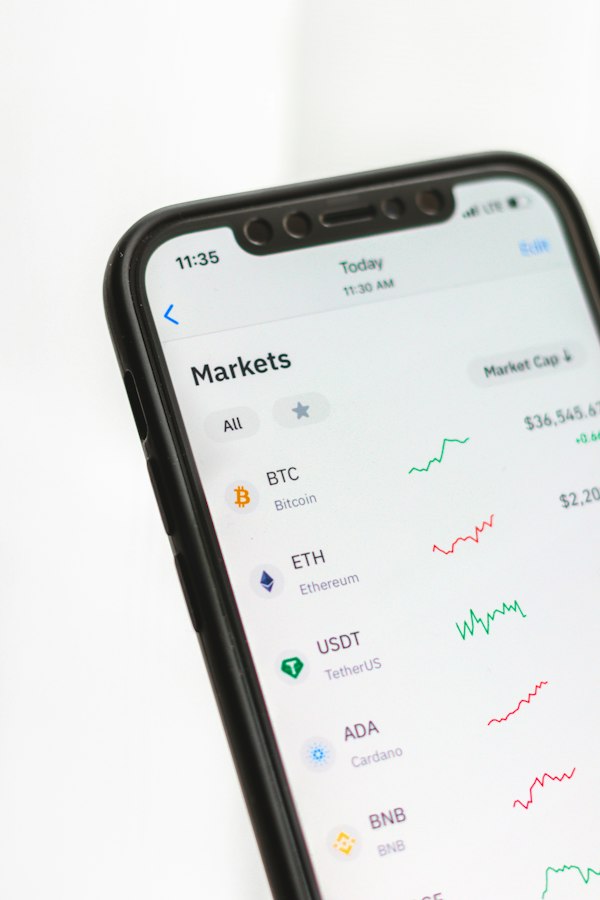
Bitcoin finds itself in a holding pattern as ETF inflows balance out selling pressure, but upcoming inflation data could be a game changer. For investors in India, the interplay between cryptocurrency and traditional assets remains critical in navigating this evolving landscape.
# Background/Context The cryptocurrency market, with Bitcoin leading the charge, has long been a source of fascination and speculation among investors across the globe. In India, where traditional investment avenues like fixed deposits (FDs) and mutual funds dominate, the allure of digital currencies offers a compelling alternative, particularly in the context of a rapidly digitalizing economy. The Reserve Bank of India (RBI) has maintained a cautious stance on cryptocurrencies, warning investors about the inherent risks, yet the market continues to thrive, driven by a growing base of retail investors and institutional interest.
The recent developments in Bitcoin’s price trajectory have brought forth discussions around Exchange Traded Funds (ETFs) and their influence on the cryptocurrency market. ETFs have emerged as a popular vehicle for investors looking to gain exposure to Bitcoin without directly holding the asset, and the prospect of a Bitcoin ETF has been a focal point of market speculation. Meanwhile, inflation data remains a critical economic indicator that can heavily influence market sentiment across asset classes.
# What Happened Bitcoin has recently been caught in a tug-of-war, with ETF inflows counterbalancing selling pressure that has kept the price relatively stagnant. As of now, Bitcoin is trading around the ₹4,800,000 mark, having seen a minor fluctuation of about 5% over the past week. Meanwhile, Ethereum, another major player in the crypto space, is hovering around ₹330,000, reflecting similar market dynamics.
The recent increase in ETF inflows indicates robust institutional interest. According to CoinShares, inflows into cryptocurrency investment products surged to approximately ₹1,200 crores last week, marking a notable uptick in institutional confidence. This comes at a time when regulatory bodies like the Securities and Exchange Board of India (SEBI) are keenly observing these developments while considering the regulatory framework for cryptocurrencies.
On the flip side, selling pressure has been exacerbated by profit-taking behaviors among retail investors, who have been tempted to cash in on the bullish runs of the past few months. With the market still in a consolidation phase, traders are closely watching for any signs that could trigger a breakout or a further dip.
# Market Reaction The Indian stock markets, represented by the Nifty 50 and BSE Sensex, have shown a mixed response to the developments in the cryptocurrency space. While traditional equities have remained relatively stable, the cryptocurrency market's volatility seems to have spilled over to investor sentiment. The Nifty 50 is trading around the 18,500 mark, reflecting a slight uptick, partly driven by the positive sentiment from the inflows into crypto assets.
Experts like Nithin Kamath, CEO of Zerodha, have pointed out that the correlation between cryptocurrencies and traditional Indian equity markets remains tenuous but noteworthy.
"As more retail investors diversify their portfolios, the impact of crypto on traditional markets may become more pronounced," he noted, emphasizing the need for investors to remain agile and informed.
# Implications for Indian Investors For Indian investors, the current landscape presents both opportunities and challenges. With the RBI's cautious approach and SEBI's ongoing deliberations on regulation, the future of cryptocurrencies in India hangs in the balance. However, the rising popularity of systematic investment plans (SIPs) in mutual funds indicates a growing sophistication among retail investors who are keen to explore varied asset classes.
The interplay between inflation data and asset prices is another critical consideration. Recent data from the Ministry of Statistics and Programme Implementation showed that retail inflation in India is hovering around 6.5%, which is above the RBI's comfort zone of 6%. The implications of this data point are significant; if inflation continues to rise, it could lead the RBI to tighten its monetary policy, impacting liquidity across markets, including cryptocurrencies.
Furthermore, as the market anticipates the release of upcoming inflation data from the United States, which often sets the tone for global markets, Indian investors should closely monitor these trends. A significant shift in U.S. monetary policy could lead to increased volatility, particularly in the crypto markets, where movements can be swift and severe.
# What to Watch Next As we look ahead, there are several factors that Indian investors should keep an eye on: 1. **Inflation Data Releases:** Upcoming inflation reports from both India and the U.S. could act as catalysts for market movements. A higher-than-expected inflation rate could lead to increased volatility across asset classes, including cryptocurrencies. 2. **ETF Developments:** Continued inflows into cryptocurrency ETFs will be a critical indicator of institutional sentiment. Investors should watch for announcements related to ETF approvals or the performance of existing products. 3. **Regulatory Environment:** The RBI and SEBI's positions on cryptocurrencies will be pivotal in shaping market dynamics. Any definitive regulatory framework could either bolster or hinder investor confidence. 4. **Market Sentiment:** As retail investors increasingly engage with cryptocurrencies, observing sentiment shifts and trading behaviors will be crucial. Social media trends and influencer opinions often play a significant role in driving short-term market movements.
# What Should You Do? 1. **Diversify Your Portfolio:** Consider incorporating a mix of traditional and alternative assets into your investment strategy. With the volatility in cryptocurrencies, a balanced approach could mitigate risks. 2. **Stay Informed:** Regularly check for updates on inflation data and ETF developments, as these could significantly impact market conditions. 3. **Monitor Regulatory Changes:** Keep an eye on announcements from the RBI and SEBI regarding cryptocurrencies to stay ahead of any shifts in the regulatory landscape. 4. **Engage in SIPs:** If you're new to investing or looking to expand your portfolio, consider SIPs in mutual funds that align with your risk profile. This disciplined approach can help you navigate market fluctuations more effectively.
As the cryptocurrency landscape continues to evolve, staying informed and adaptable will be key for investors in both the Indian and global markets. The balance of ETF inflows and inflation data will likely dictate the next moves for Bitcoin and its peers, making it a crucial time to pay attention to these developments.
Disclaimer: This article is for informational purposes only and does not constitute financial advice. Please consult a fee-only CFP or SEC-registered investment advisor before making investment decisions.


