Bitcoin Volatility Falls, But Price Swings Remain Unsettling for Investors
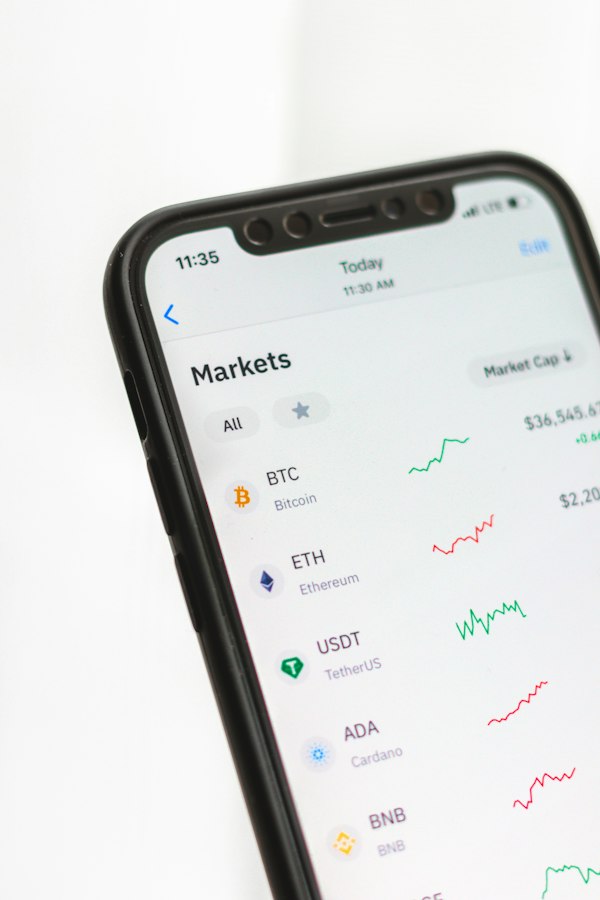
Bitcoin's recent price stability comes with a caveat: its volatility may be lower, but the frequency of extreme swings is reminiscent of 2018's wild market. This duality raises questions for both Indian and global investors eyeing the cryptocurrency landscape as they navigate a complex financial environment.
# Background: The Crypto Landscape in India
Bitcoin, the world's leading cryptocurrency, has been a hot topic among investors and financial institutions alike, especially in India. With the Reserve Bank of India (RBI) taking a cautious stance on digital currencies, and the Securities and Exchange Board of India (SEBI) yet to finalize regulations, the Indian crypto market remains in a state of flux. Over the past year, Bitcoin's price has fluctuated significantly, influenced not only by global macroeconomic factors but also by local sentiment surrounding regulatory developments.
Despite this uncertainty, many Indian investors have been drawn to cryptocurrencies, viewing them as a hedge against inflation or a diversification strategy in their portfolios alongside traditional assets like mutual funds, fixed deposits (FDs), and stocks listed on the National Stock Exchange (NSE) and Bombay Stock Exchange (BSE). With the Nifty 50 index recently hitting record highs, the allure of Bitcoin as an alternative investment is undeniable, but understanding its volatility is crucial.
# What Happened: The Current State of Bitcoin's Volatility
Recent reports indicate that Bitcoin's volatility has decreased markedly compared to previous highs. According to CoinDesk, the average volatility of Bitcoin has dropped from the dizzying heights of 2020 and 2021, when the price surged to an all-time high of nearly $69,000 in November 2021. Currently, Bitcoin's volatility stands at around 60%, down significantly from the 90% range observed during its peak.
However, here's the catch: while the overall volatility has lessened, the frequency of extreme price swings has increased. In 2018, during Bitcoin's infamous bear market, the cryptocurrency was known for its dramatic price drops and surges; recent data suggests that we may be seeing a return to this pattern. For instance, in just the last month, Bitcoin experienced swings of more than 10% on multiple occasions, spurring concern and excitement among traders.
# Market Reaction: How Investors Are Responding
The mixed signals from Bitcoin's price movements have created a complex scenario for investors. On the one hand, the reduction in volatility might encourage institutional investors to re-enter the market, viewing it as a safer asset class. Companies like MicroStrategy and Tesla have made substantial investments in Bitcoin, hinting at growing institutional acceptance.
On the other hand, retail investors—particularly those in India who were previously attracted by the promise of high returns—may be reconsidering their strategies. Many Indian investors have entered the market through Systematic Investment Plans (SIPs) in crypto funds, similar to traditional mutual funds, but the recent volatility could prompt some to exit or adopt a more cautious approach.
The Indian crypto community is buzzing, with exchanges like WazirX and CoinDCX reporting increased trading volumes, despite the uncertain regulatory environment. Investors are grappling with whether to hold, sell, or double down on their positions as they watch Bitcoin's erratic behavior closely.
# Implications for Indian Investors: A Balancing Act
For Indian investors, the current landscape presents both opportunities and risks. Bitcoin’s lower volatility might suggest a more mature market, potentially attracting those who were previously skittish about entering the crypto realm. However, the increase in extreme price swings should not be ignored. It may serve as a reminder that the crypto market is still fraught with risks, especially for those not prepared for the emotional and financial rollercoaster it can bring.
The RBI’s cautious stance adds an additional layer of complexity. The central bank has expressed concerns over consumer protection and the financial stability implications of cryptocurrencies, urging investors to tread lightly. For instance, in 2021, the RBI reiterated that financial institutions should not facilitate transactions with virtual currencies, a stance that has left many potential investors in limbo regarding the future of crypto in India.
# What to Watch Next: Key Indicators and Developments
As we look ahead, several factors will likely shape the future of Bitcoin and the broader cryptocurrency market in India. Firstly, the upcoming regulatory framework from SEBI will be crucial. Investors should keep an eye on announcements regarding guidelines that could either bolster or impede the growth of crypto investments in India.
Moreover, the global economic landscape, marked by inflationary pressures and central bank policies, will play a significant role in influencing Bitcoin's price. As the US Federal Reserve continues to navigate interest rate changes, the effects could ripple through global markets, impacting investor sentiment towards risk assets, including cryptocurrencies.
Lastly, technological advancements such as the ongoing development of Bitcoin’s Lightning Network could enhance transaction efficiency, potentially increasing its adoption and stability.
# What Should You Do? 1. **Diversify Your Portfolio**: Don't put all your eggs in one basket. Consider a balanced approach that includes traditional assets like mutual funds and FDs alongside cryptocurrencies. 2. **Stay Informed**: Keep a close watch on regulatory news from India and the US. Understanding the legal landscape is crucial for making informed investment decisions. 3. **Set Clear Investment Goals**: Determine your risk tolerance and investment horizon. If you’re not comfortable with volatility, consider limiting your exposure to cryptocurrencies. 4. **Utilize SIPs for Crypto Investments**: If you’re entering the crypto market, consider using a systematic investment plan (SIP) to average out your purchase prices over time, reducing the impact of volatility on your investments.
Disclaimer: This article is for informational purposes only and does not constitute financial advice. Please consult a fee-only CFP or SEC-registered investment advisor before making investment decisions.


