Bitcoin Takes a Hit as South Korean Markets Plummet: What U.S. Investors Should Know
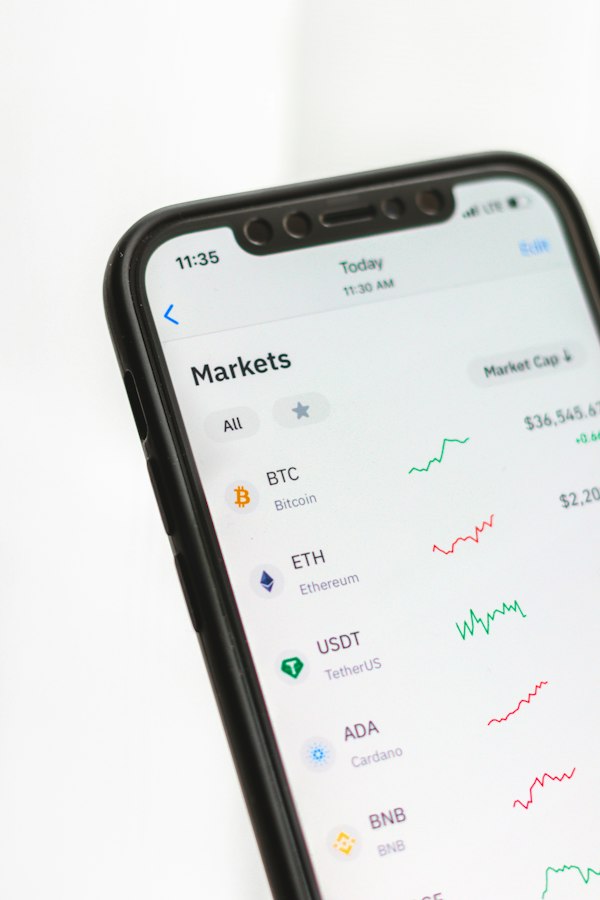
Bitcoin experienced a 2% decline following the close of U.S. markets, coinciding with a shocking 10% drop in South Korea's Kospi index. This dual market movement raises questions about the implications for global investors, particularly those eyeing opportunities in the Indian market.
# Background/Context
The cryptocurrency landscape is no stranger to volatility, and recent events have intensified scrutiny in the market. Bitcoin, the flagship cryptocurrency, has seen its fair share of ups and downs, but its recent slide of 2% after the close of U.S. markets signals underlying concerns that could resonate across global financial ecosystems. Meanwhile, South Korea’s Kospi index faced an unprecedented plunge of 10%, shaking investor confidence in one of Asia's prominent markets. With the Reserve Bank of India (RBI) and the Securities and Exchange Board of India (SEBI) keeping a close watch on these developments, U.S. investors should consider how these events might influence Indian market dynamics, especially in the context of Indian equities, currencies, and the cryptocurrency sector.
# What Happened
On the evening of October 23, Bitcoin's price dipped to approximately ₹4,600,000, reflecting a broader trend of decline seen across several cryptocurrencies, including Ethereum. The dip followed a wave of global sell-offs triggered by South Korean investors who were reacting to regulatory tightening and economic uncertainties. The Kospi index, which is heavily weighted towards technology and manufacturing, dropped sharply, closing down 10%—its most significant decline in years.
This sell-off in South Korea appeared to be fueled by fears over stricter regulations on cryptocurrencies and a general economic slowdown in the region. As the Kospi is often viewed as a barometer for technology stocks, the decline raised alarms about potential contagion effects on global markets, including the Indian stock exchanges like the NSE and BSE.
# Market Reaction
The Indian stock market did not remain insulated from the global tremors. The Nifty 50 index, which measures the performance of the top 50 companies listed on the National Stock Exchange (NSE), saw a modest decline of about 1% during trading hours on October 24. Investors were concerned about the ripple effects of the South Korean market’s turmoil and the implications for tech and cryptocurrency stocks in India.
Moreover, mutual funds with significant exposure to tech stocks reacted swiftly. The average asset under management for Indian equity mutual funds, which recently stood at ₹36 trillion (approximately $440 billion), was under scrutiny as analysts predicted a potential reallocation of investments amid rising volatility.
# Implications for Indian Investors
For U.S. investors eyeing Indian markets, the current scenario presents both risks and opportunities. The RBI has been proactive in managing the liquidity situation, and with the Indian rupee (₹) currently trading around ₹82 per USD, any significant foreign outflows could further weaken the currency, impacting your investments. However, the Indian economy has shown resilience, particularly in sectors like pharmaceuticals and renewable energy, which could be less affected by the crypto-related volatility.
The drop in Bitcoin also raises questions about the future of digital currencies in India. While Bitcoin adoption has been rising, with numerous players entering the space, the RBI’s cautious stance on cryptocurrencies has led to an uncertain regulatory environment. If the Indian government decides to impose stricter regulations similar to those seen in South Korea, it could further impact sentiment in the crypto market and affect the growing popularity of systematic investment plans (SIPs) in mutual funds that also invest in blockchain technologies.
Furthermore, seasoned investors advocate for FDs (Fixed Deposits) and bonds as safer alternatives during such turbulent times, especially when uncertainty looms over tech-heavy investments tied to cryptocurrencies. If the Kospi's decline continues, it might be a signal for Indian investors to reconsider their asset allocation strategies to hedge against potential losses.
# What to Watch Next
As we navigate through this tumultuous period, here are several factors that U.S. investors should monitor closely: 1. **South Korean Market Developments**: Keep an eye on how the Kospi index performs in the coming days. Should the decline persist, it could influence investor sentiment in Asia, including India. 2. **Bitcoin and Cryptocurrency Regulation**: Watch for announcements from the Indian government regarding cryptocurrency regulations. Any hints at tighter controls could lead to market volatility in India. 3. **RBI's Monetary Policy**: Upcoming meetings from the RBI will be crucial. Any changes in interest rates or liquidity measures could significantly affect the Indian equity markets and the rupee's strength. 4. **Sector Performance**: Pay attention to the performance of sectors that are less correlated with technology, as they might serve as safe havens during this period of uncertainty.
# What Should You Do?
- **Diversify Your Portfolio**: Given the recent market volatility, consider diversifying your investments across various sectors, including pharmaceuticals and consumer goods, which tend to be more stable.
- **Monitor Currency Trends**: Keep track of the Indian rupee's exchange rate against the dollar. A weakening rupee could impact your investments, especially if you're considering repatriating funds back to the U.S.
- **Stay Informed on Regulations**: Regularly check for updates on cryptocurrency regulations in India. Being informed can help you make timely investment decisions.
- **Consider Safe Investments**: In light of the current market volatility, consider allocating a portion of your portfolio to FDs or bonds to mitigate risks associated with equity investments.
With Bitcoin's decline and the Kospi's dramatic fall, the markets are sending a clear message: investors need to remain vigilant. The Indian market is interconnected with global trends, and understanding these dynamics can provide U.S. investors with valuable insights into navigating this complex landscape.
Disclaimer: This article is for informational purposes only and does not constitute financial advice. Please consult a fee-only CFP or SEC-registered investment advisor before making investment decisions.


