Bitcoin Takes a Hit Amid Market Optimism: What US Investors Need to Know
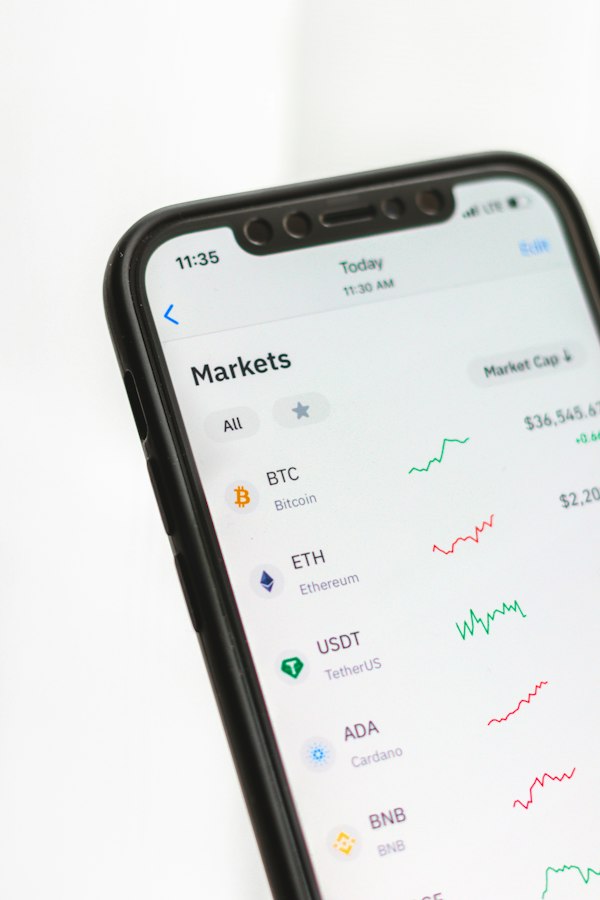
As global markets react positively to easing tensions in Iran, Bitcoin has seen a notable dip to $59,700, raising questions about its resilience in the face of geopolitical developments. This article explores the implications of this volatility for US investors, particularly in the context of Indian markets and investment strategies.
# Background/Context The cryptocurrency landscape has always been a volatile one, shaped by a mix of speculation, regulatory changes, and global economic factors. As of recent reports, Bitcoin's price has slid to $59,700, a significant drop that has caught the eye of investors worldwide. The cryptocurrency market has been on a rollercoaster ride, with Bitcoin often seen as a bellwether for the broader crypto space. In a recent turn of events, easing tensions in Iran have propelled global stock markets, including major indices like the Nifty 50 and Sensex, yet Bitcoin remains unaffected by this wave of optimism. In India, the Reserve Bank of India (RBI) and the Securities and Exchange Board of India (SEBI) have been increasingly active in discussions around cryptocurrency regulation, which adds another layer of complexity for investors. As the RBI focuses on financial stability, the potential for stricter regulations looms over the crypto market, making it crucial for investors to remain vigilant. ### What Happened On the back of positive news from the Middle East, global stock indices surged, with the Nifty 50 climbing around 2% in the past week, buoyed by investor sentiment and a decline in geopolitical tensions. However, Bitcoin has not followed suit, slipping from previous highs and raising eyebrows among crypto enthusiasts and traditional investors alike. As geopolitical tensions ease, one would expect Bitcoin to benefit, given its status as a perceived hedge against fiat currency fluctuations and political instability. Yet, the recent dip indicates a market that is perhaps maturing, responding to broader economic signals rather than merely reacting to geopolitical events. Investors are increasingly scrutinizing Bitcoin not just as a speculative asset but as part of a diversified portfolio, prompting a reassessment of its role. ### Market Reaction The response from the Indian markets has been multifaceted. The Bombay Stock Exchange (BSE) and National Stock Exchange (NSE) have reported increased trading volumes, with sectors like technology and finance seeing substantial gains. However, the cryptocurrency market's sluggishness stands in stark contrast. Bitcoin's dip could be attributed to a variety of factors, including profit-taking by investors who had entered during previous bull runs. Ethereum and other altcoins have also faced downward pressure, indicating a broader market correction. Interestingly, the Indian rupee (₹) has remained relatively stable against the US dollar, showing that local investors are still engaged in the stock market while maintaining a cautious stance on cryptocurrencies. ### Implications for Indian Investors For Indian investors, this divergence between traditional stocks and cryptocurrencies raises important questions about asset allocation and risk management. The RBI has been vocal about its cautious stance on cryptocurrencies, and any signs of regulatory actions could further impact market sentiment. Investors who are considering entering the crypto space should take a measured approach, especially given the backdrop of fluctuating regulations and the recent market volatility. Systematic Investment Plans (SIPs) in mutual funds have been a reliable method for Indian investors to build wealth over time, and this strategy might be more prudent than trying to time the volatile crypto market. ### What to Watch Next As we look ahead, several key factors will be critical in shaping the direction of both the cryptocurrency and stock markets. Investors should keep an eye on: 1. **Regulatory Developments**: Any announcements from the RBI or SEBI regarding crypto regulations could impact market dynamics significantly. 2. **Global Economic Indicators**: Economic data releases from the US and other major economies will be closely monitored, especially if they impact investor sentiment globally. 3. **Market Sentiment**: Watch for changes in sentiment towards risk assets, particularly in the context of geopolitical tensions and inflation outlooks. 4. **Price Trends**: Keep an eye on Bitcoin and Ethereum price movements; a sustained recovery in these assets could signpost a market rebound.
# What Should You Do? - **Assess Your Portfolio**: Review your current portfolio allocations in light of the recent market dynamics. Consider whether your exposure to cryptocurrencies aligns with your risk tolerance. - **Stay Updated**: Keep yourself informed about regulatory developments in India and globally. This will help you make better-informed investment decisions. - **Consider SIPs**: If you're looking for stability, consider SIPs in diversified mutual funds rather than jumping into the volatile crypto market. This approach allows you to benefit from rupee cost averaging over time. - **Diversify Wisely**: If you choose to invest in cryptocurrencies, ensure it’s only a small portion of your overall investment strategy to mitigate risks.
As the markets evolve, staying informed and adaptable will be key to navigating the complexities of investing in both stocks and cryptocurrencies. For US investors eyeing opportunities in the Indian market, understanding these dynamics will be crucial for making strategic decisions.
Disclaimer: This article is for informational purposes only and does not constitute financial advice. Please consult a fee-only CFP or SEC-registered investment advisor before making investment decisions.


