Bitcoin Surges to $82,000: What This Means for Indian Investors
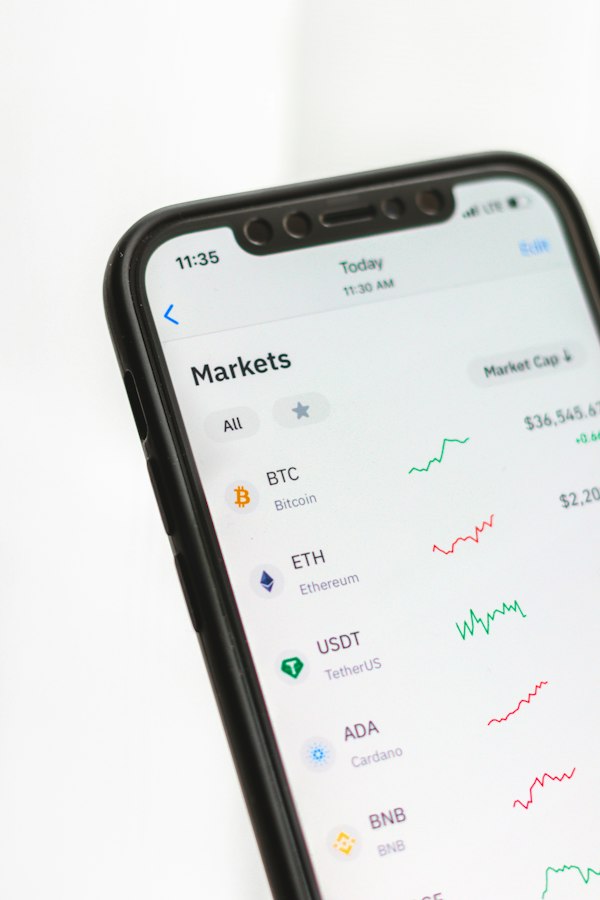
Bitcoin has recently hit a remarkable $82,000 mark, igniting conversations among investors worldwide. With Michael Burry's warning of a potential stock crash, Indian investors need to reassess their strategies in this volatile market.
# Background/Context The cryptocurrency market has always been a rollercoaster ride, but recent events have sent shockwaves across the globe, especially in India. Bitcoin, the flagship cryptocurrency, soared to a staggering $82,000, drawing the attention of both seasoned investors and novices alike. This massive price movement can be attributed to various factors, including increased institutional adoption, regulatory clarity, and a macroeconomic environment that remains supportive of alternative assets. The Reserve Bank of India's (RBI) cautious stance on cryptocurrencies has added an additional layer of intrigue for Indian investors, who are keen on navigating this complex landscape.
In the Indian context, the Securities and Exchange Board of India (SEBI) has been proactive in addressing the burgeoning interest in crypto assets. This regulatory oversight is crucial as it aims to protect investors from the inherent risks associated with digital currencies. Furthermore, the National Stock Exchange (NSE) and Bombay Stock Exchange (BSE) are exploring ways to integrate cryptocurrencies into their offerings, which would provide a more formal framework for trading these assets.
# What Happened? Bitcoin's latest surge to $82,000 comes in the wake of several catalysts. Reports have shown that institutional players are increasingly allocating funds into cryptocurrencies, viewing them as a hedge against inflation and market volatility. Prominent investors, including hedge fund manager Michael Burry, known for his prescient warnings about market downturns, has issued a stark caution regarding a potential stock market crash. Burry's insights resonate particularly with Indian investors, who have witnessed a tremendous rally in Indian equities, especially in indices like Nifty 50 and BSE Sensex.
The spike in Bitcoin’s price also coincided with a broader rally in the crypto market, with altcoins like Solana (SOL) and Dogecoin (DOGE) also experiencing significant gains. SOL, for instance, surged by 15% in a single day, showcasing the growing enthusiasm around decentralized finance (DeFi) and NFT ecosystems. Such movements reflect a paradigm shift where cryptocurrencies are gaining acceptance as legitimate financial instruments.
# Market Reaction The Indian markets reacted to these developments with a mix of excitement and caution. While the Nifty 50 index remains resilient, closing at 18,500, some analysts express concern over a potential correction. The rupee (₹) has also been under pressure, fluctuating around ₹75.50 to the US dollar, as foreign capital flows respond to the increasing volatility in both domestic and international markets.
Investors are grappling with the dual challenges of navigating a booming stock market while keeping an eye on the cryptocurrency landscape. As the RBI deliberates on its stance towards crypto regulations, the uncertainty continues to loom, making it essential for investors to remain vigilant.
# Implications for Indian Investors The recent Bitcoin surge carries profound implications for Indian investors. First, it highlights the growing acceptance of digital currencies as a viable asset class. Many financial advisors suggest diversifying portfolios to include a small percentage of cryptocurrencies, which can potentially yield high returns. However, investors need to conduct thorough research and consider the inherent risks associated with this asset class.
Moreover, the conversation around SIPs (Systematic Investment Plans) in mutual funds is also evolving. Many investors may contemplate reallocating a portion of their SIP investments towards cryptocurrencies, given their recent performance. However, the volatility in crypto prices suggests that this should be approached with caution.
Investors should also be aware of the regulatory landscape in India. The RBI has been vocal about its skepticism towards cryptocurrencies, prioritizing consumer protection and financial stability. The potential for a regulatory framework could either bolster or stifle the crypto market, depending on how it is structured.
# What to Watch Next The coming months will be crucial for both the stock and crypto markets in India. Investors should keep an eye on regulatory developments from the RBI and SEBI, as these decisions could have far-reaching implications. Additionally, the behavior of the rupee against the dollar will be pivotal, particularly as the global economic environment continues to evolve.
Michael Burry's warnings should also not be taken lightly. Market corrections can happen rapidly, and Indian investors should be prepared for potential turbulence ahead. Keeping abreast of global market trends and developments in the blockchain space will be essential for those invested in cryptocurrencies.
# What Should You Do? 1. **Diversify Wisely**: If you’re considering entering the crypto market, start with a small allocation. A balanced portfolio that includes stocks, mutual funds, and a fraction in cryptocurrencies can help mitigate risks. 2. **Stay Informed**: Regularly monitor updates from the RBI and SEBI regarding crypto regulations, as these can significantly impact your investments. 3. **Reassess Your SIPs**: Consider adjusting your SIP investments to balance risk and reward. Explore mutual funds that have exposure to tech and innovation to complement your crypto investments. 4. **Prepare for Volatility**: Be mentally and financially prepared for price fluctuations in both the stock and crypto markets. Setting stop-loss orders for your investments can help protect against unexpected downturns.
By keeping a close watch on these developments, Indian investors can navigate this dynamic landscape with confidence. Whether you’re a seasoned investor or just starting, understanding the interplay between traditional and digital assets will be key to achieving your financial goals.
Disclaimer: This article is for informational purposes only and does not constitute financial advice. Please consult a fee-only CFP or SEC-registered investment advisor before making investment decisions.


