Bitcoin Surges Past $84,000 Despite ETF Outflows: What It Means for Indian Investors
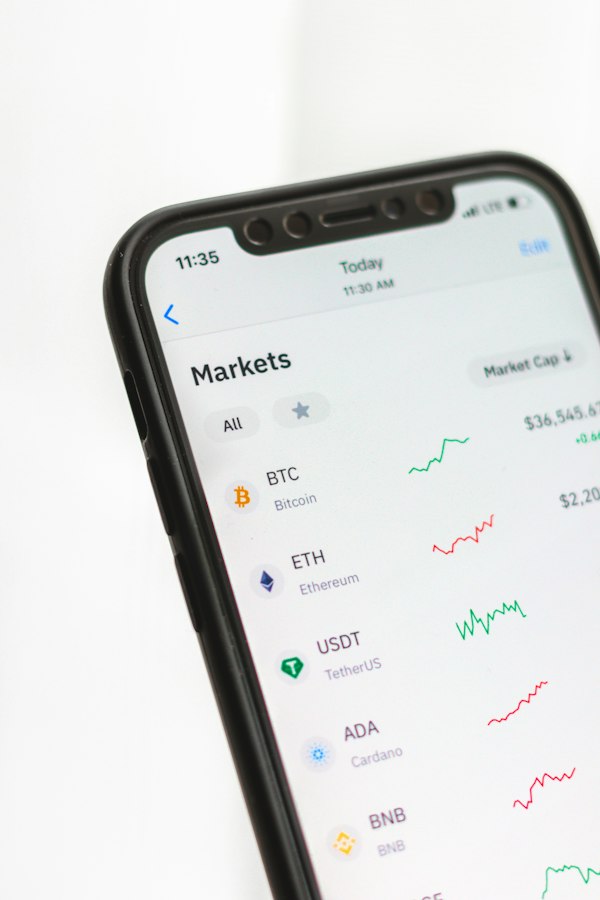
Bitcoin has defied expectations, trading above $84,000 even as Bitcoin ETFs experience notable outflows. This performance could signal strong underlying demand in the cryptocurrency market, presenting unique opportunities for Indian investors.
# Background: The Crypto Landscape in India
Bitcoin’s recent rally has investors buzzing, particularly as it has surpassed the $84,000 mark. For those who may not be entirely immersed in the details of cryptocurrency, it’s crucial to understand the current landscape. Bitcoin, the pioneer of digital currencies, has seen a resurgence in interest following a period of consolidation. In India, the Reserve Bank of India (RBI) has maintained a cautious stance on cryptocurrencies, opting for regulatory oversight rather than outright ban. This has paved the way for a growing interest among retail investors, despite the challenges of regulatory uncertainty.
Simultaneously, the Securities and Exchange Board of India (SEBI) is working on frameworks that could enable crypto ETFs in the future, indicating a potential shift in how cryptocurrencies are viewed and treated within the broader financial ecosystem.
# What Happened: Bitcoin's Recent Surge
In the latest twist, Bitcoin managed to shake off concerns surrounding significant outflows from Bitcoin ETFs. Instead of viewing this as a negative signal, many analysts believe it reflects a fundamental strength in Bitcoin’s market demand. The cryptocurrency traded at over $84,000, a significant increase from lower levels just a few months ago. This increase is attributed to various factors, including institutional investments and increased adoption among consumers.
Ethereum, Bitcoin’s closest competitor, has also been performing well, showing resilience in the face of market fluctuations. The overall market capitalization of cryptocurrencies has exceeded $2 trillion, with Bitcoin accounting for a substantial portion of this figure. While oil prices have dipped, leading to fluctuations in global markets, Bitcoin’s decoupling from traditional asset classes is an intriguing development that investors should consider.
# Market Reaction: What the Numbers Say
Bitcoin's price movement has not gone unnoticed by market analysts. According to data from CoinMarketCap, Bitcoin's market cap reached around $1.65 trillion, reflecting a robust recovery. Market sentiment has been largely positive, with metrics such as the Fear & Greed Index leaning towards greed—indicating that traders are optimistic about the future.
Meanwhile, Indian stock indices like the Nifty 50 and Sensex have reacted dynamically to global cues, including fluctuations in oil prices and U.S. Treasury yields. The NSE and BSE are closely watching these developments, as the performance of cryptocurrencies may indirectly affect investor sentiment in equities as well.
# Implications for Indian Investors
For Indian investors, this surge in Bitcoin presents both opportunities and risks. With the RBI's cautious approach toward cryptocurrencies, many are still wary of diving into this volatile market. However, the increasing acceptance of Bitcoin and other cryptocurrencies could lead to more diversified investment strategies.
The growing trend of Systematic Investment Plans (SIPs) in mutual funds also parallels the interest in cryptocurrencies. Just as SIPs allow investors to gradually build wealth through mutual funds, a similar approach can be applied to cryptocurrencies, potentially through platforms that facilitate regular investments in Bitcoin and Ethereum.
Moreover, as the Indian government and regulators move toward clearer guidelines, investors may find a more structured environment to navigate. The establishment of crypto regulations might bolster confidence among retail investors and institutional players alike, leading to a more robust market.
# What to Watch Next
As Bitcoin continues to navigate through highs and lows, several factors will be key in shaping its trajectory: 1. **Regulatory Developments**: Keep an eye on announcements from the RBI and SEBI regarding cryptocurrencies. Any movement toward regulatory clarity could significantly impact market sentiment. 2. **Institutional Interest**: The trend in institutional investment will be pivotal. Reports of major companies or funds allocating resources to Bitcoin could drive prices higher. 3. **Global Macroeconomic Factors**: With oil prices fluctuating and concerns about inflation, how Bitcoin reacts to traditional markets will be crucial. A sustained decoupling could signify Bitcoin's emergence as a new asset class. 4. **Adoption Rates**: Following Bitcoin’s price surge, the rate of adoption among businesses and consumers will be crucial for its long-term sustainability.
# What Should You Do? 1. **Educate Yourself**: Understand the nuances of cryptocurrency investments, including risks and potential rewards. Consider following reputable financial news sources and crypto analysts. 2. **Diversify Your Investments**: If you’re considering dipping your toes into cryptocurrencies, think about spreading your investment across multiple assets, much like you would with mutual funds or ETFs. 3. **Consider SIPs in Crypto**: Look for platforms that allow you to invest in cryptocurrencies via a systematic approach, similar to SIPs in mutual funds. This strategy can mitigate risk through dollar-cost averaging. 4. **Stay Updated**: Regulatory changes can happen rapidly. Keep abreast of news from the RBI, SEBI, and reputable financial news outlets to make informed decisions.
In summary, while Bitcoin’s rise to over $84,000 is intriguing, it carries a fair share of risks, particularly in the Indian context where regulations are still evolving. By remaining informed and cautious, Indian investors can navigate this exciting yet volatile landscape effectively.
Disclaimer: This article is for informational purposes only and does not constitute financial advice. Please consult a fee-only CFP or SEC-registered investment advisor before making investment decisions.


