Bitcoin Surges Past $81,000: Implications for Indian Investors
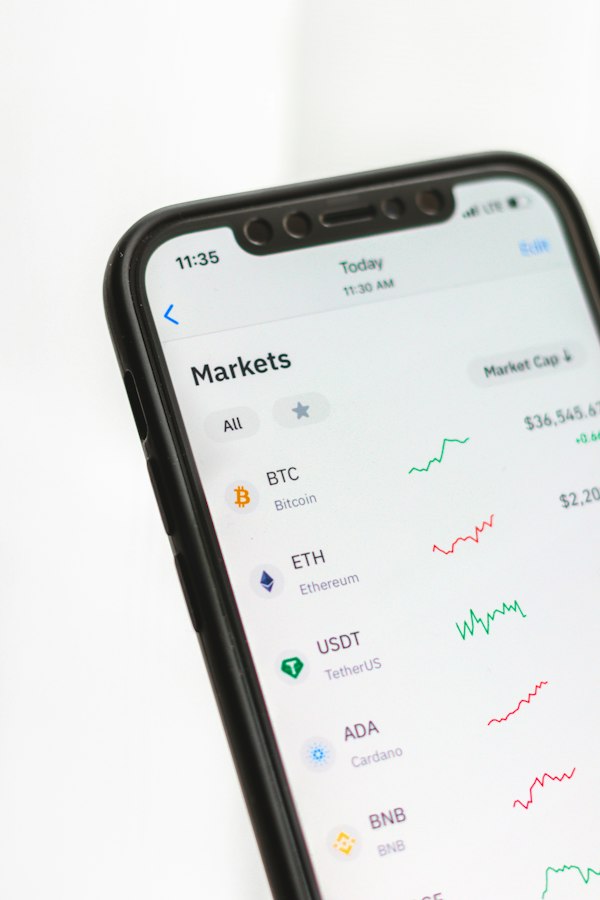
Bitcoin has reclaimed the $81,000 mark following a robust Consumer Price Index (CPI) report, igniting enthusiasm within the crypto space. As leading cryptocurrencies like BNB and DOGE also experience notable gains, Indian investors should consider the potential impacts on their portfolios and the broader market landscape.
The cryptocurrency market has once again captured global attention, with Bitcoin recently soaring past the $81,000 mark after an encouraging report on the Consumer Price Index (CPI) in the United States. This surge comes at a time when Indian investors are closely monitoring market trends, especially given the evolving regulatory environment for cryptocurrencies in India. Let's unpack what this means for investors in India and what we can expect moving forward.
# Background Context: The Crypto Landscape in India
The Indian cryptocurrency market has seen its fair share of volatility and regulatory scrutiny over the years. The Reserve Bank of India (RBI) has been cautious, issuing warnings regarding the risks associated with cryptocurrencies. As of now, cryptocurrencies operate in a gray zone, with the Securities and Exchange Board of India (SEBI) still working on a framework to regulate them effectively.
Despite the uncertainties, interest in cryptocurrencies like Bitcoin, Ethereum, and others has surged among Indian retail investors. A growing number of platforms are enabling customers to buy cryptocurrencies, and many view them as an alternative asset class alongside traditional investments like mutual funds, fixed deposits (FDs), and systematic investment plans (SIPs).
# What Happened: The CPI Report and Bitcoin's Resurgence
The recent CPI report from the U.S. showed a rise in consumer prices that was slightly below expectations, suggesting that inflation may be stabilizing. This has led to renewed confidence among investors, resulting in a significant influx of capital into riskier assets, including cryptocurrencies.
Bitcoin's price surged to over $81,000, marking a remarkable recovery. In the Asian markets, Indian crypto exchanges like WazirX and CoinSwitch saw a spike in trading volumes, reflecting the renewed interest. Other cryptocurrencies also followed suit, with notable gains for Binance Coin (BNB) and Dogecoin (DOGE), which rose by 10% and 15% respectively.
# Market Reaction: Indian Investors Take Note
The upward momentum in the crypto market has not gone unnoticed by Indian investors. Traditional stock indices such as the Nifty and Sensex have been experiencing fluctuations, leading many to explore alternative investment avenues. The Nifty 50 index, which represents the top 50 companies on the National Stock Exchange (NSE), has been volatile, hovering around the 20,000 mark.
In contrast, cryptocurrencies are often viewed as a hedge against inflation, particularly appealing to younger investors who are comfortable navigating digital assets.
In a recent interview, Vikram Subburaj, CEO of Giottus Cryptocurrency Exchange, stated, "The positive CPI data has emboldened investors to look for high-risk, high-reward opportunities. We're seeing a marked increase in interest from Indian retail investors, especially millennials."
# Implications for Indian Investors
For Indian investors, the surge in Bitcoin’s price raises several important considerations. Firstly, the increased volatility in the crypto market highlights the need for education and proper risk assessment. Investing in cryptocurrencies can yield substantial returns, but it also comes with significant risks.
Moreover, regulatory developments in India could impact the landscape for crypto investments. If the government moves towards clearer regulations, it could either bolster confidence in the market or, conversely, introduce constraints that might hinder growth.
Additionally, as Bitcoin and other cryptocurrencies continue to gain legitimacy, they may also become more integrated into traditional financial products. This could open doors for more Indian investors to enter the crypto space through mutual funds that offer crypto exposure or by investing in companies that are heavily invested in blockchain technology.
# What to Watch Next: Regulatory Landscape and Market Trends
As we look ahead, several key factors will influence the trajectory of Bitcoin and the broader crypto market in India. One major aspect to watch is the Indian government's stance on cryptocurrency regulation. With the RBI and SEBI closely monitoring developments, any announcements could lead to swift market reactions.
Furthermore, global economic indicators, such as inflation rates and interest rates in the U.S., will continue to affect investor sentiment. Bitcoin’s performance is often tied to macroeconomic trends, and as we approach the end of the fiscal year, these indicators will be crucial for market dynamics.
# What Should You Do?
1. **Educate Yourself**: Make sure you understand the risks and rewards associated with cryptocurrency investments. Consider taking courses or attending webinars focused on digital assets. 2. **Diversify Your Portfolio**: Don't put all your eggs in one basket. Alongside potential crypto investments, maintain a balanced portfolio that includes traditional assets like stocks and mutual funds. 3. **Stay Updated on Regulations**: Keep an eye on announcements from the RBI and SEBI regarding crypto regulations in India. Changes in the legal landscape could have significant implications for the market. 4. **Consider Dollar-Cost Averaging**: If you decide to invest in Bitcoin or other cryptocurrencies, consider using a dollar-cost averaging strategy through SIPs in crypto platforms to mitigate the impact of volatility.
As Bitcoin continues to break new ground, staying informed and making calculated decisions will be crucial for Indian investors navigating this dynamic landscape. Whether you are a seasoned investor or just starting, understanding these developments can help you make more informed choices in your investment journey.
Disclaimer: This article is for informational purposes only and does not constitute financial advice. Please consult a fee-only CFP or SEC-registered investment advisor before making investment decisions.


