Bitcoin Surges Past $70,000: What U.S. Investors Need to Know About the Indian Market Reaction
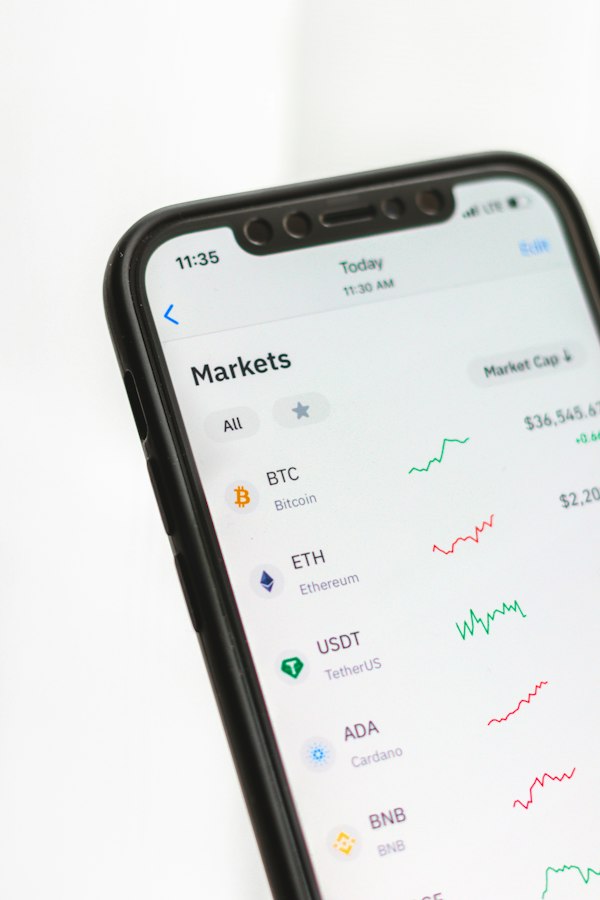
Bitcoin's recent spike to $70,000 has sent ripples through global markets, including India. As the RBI and SEBI take note, this could signal a pivotal moment for cryptocurrency adoption in the country.
# Background: The Cryptocurrency Landscape in India Bitcoin’s price surge to $70,000 for the first time since June has reignited discussions not just in the U.S., but also across global markets, including India. The Reserve Bank of India (RBI) and the Securities and Exchange Board of India (SEBI) have been closely monitoring the evolving landscape of cryptocurrencies, especially as investors turn their attention to digital assets amid more traditional investment vehicles like Fixed Deposits (FDs) and mutual funds.
In India, where the regulatory environment around cryptocurrencies has been somewhat ambiguous, recent developments suggest a shift. The RBI, which has traditionally been skeptical of cryptocurrencies, is increasingly recognizing the potential for digital currencies to play a role in the future economy. This change is significant, particularly given the RBI’s previous attempts to ban cryptocurrencies altogether in 2018, which were later struck down by the Supreme Court.
# What Happened: Bitcoin's Remarkable Rise On [insert date], Bitcoin's price crossed the $70,000 mark, driven by a combination of factors including increased institutional adoption, the rise of decentralized finance (DeFi), and a growing acceptance of cryptocurrencies among retail investors. Notably, the U.S. market's bullish sentiment has had a cascading effect, with Indian investors closely watching developments in the West.
Ethereum also saw a significant uptick, but Bitcoin remains the frontrunner, often considered the gold standard in the crypto space. According to CoinDesk data, Bitcoin's market capitalization has now reached approximately $1.3 trillion, further solidifying its position as the leading cryptocurrency. In India, platforms like WazirX and CoinDCX have reported a surge in trading volumes, reflecting heightened interest from local investors eager to capitalize on this momentum.
# Market Reaction: Indian Investors Take Notice The reaction from Indian markets has been noteworthy. The Nifty 50 index, which reflects the performance of the top 50 companies listed on the National Stock Exchange (NSE), initially showed slight volatility following Bitcoin's rise. While traditional equities have their foundations in tangible assets, cryptocurrencies are appealing to those looking for high-risk, high-reward opportunities.
Interestingly, mutual funds that invest in technology and innovation stocks have seen increased inflows. According to data from the Association of Mutual Funds in India (AMFI), there has been a 15% rise in Systematic Investment Plans (SIPs) directed towards tech-focused funds over the last month, a clear indication that Indian investors are looking for exposure to the growth potential of digital assets.
The BSE Sensex, another crucial index that reflects the performance of 30 prominent companies on the Bombay Stock Exchange, mirrors this sentiment. While the overall market remains cautious, sectors linked to technology and innovation are experiencing positive momentum, underscoring a shift toward more speculative investments.
# Implications for Indian Investors For U.S. investors, understanding the Indian market's reaction to Bitcoin's rise is pivotal. The growing interest in cryptocurrencies may not only affect individual portfolios but also influence broader economic policies. As retail and institutional investors in India increasingly turn to cryptocurrencies, we can anticipate a more robust regulatory framework from both the RBI and SEBI.
Investors in India should also be aware of the potential impact on traditional investment vehicles. With interest rates on FDs hovering around 5-6%, the lure of high returns from cryptocurrencies becomes ever more appealing. Financial advisors are now recommending a diversified portfolio that includes a small allocation to cryptocurrencies, alongside traditional stocks and bonds.
# What to Watch Next Moving forward, investors should keep an eye on several key developments: - **Regulatory Changes**: Any forthcoming regulations from the RBI or SEBI regarding cryptocurrency trading could significantly impact market dynamics. - **Market Volatility**: Bitcoin and other cryptocurrencies are known for their volatility. Investors should prepare for price fluctuations as the market matures. - **Institutional Adoption**: Watch for announcements from major financial institutions in India that may begin offering cryptocurrency investment options, a sign of growing acceptance. - **Global Trends**: Given the interconnectedness of global markets, developments in U.S. policies surrounding cryptocurrencies will likely influence Indian investor sentiment.
# What Should You Do? 1. **Stay Informed**: Regularly check updates from the RBI and SEBI regarding regulatory changes that could affect your investments. 2. **Diversify Your Portfolio**: Consider including a small percentage of cryptocurrencies in your investment strategy, alongside traditional assets like stocks and mutual funds. 3. **Monitor Market Trends**: Keep an eye on Bitcoin’s price movements and their implications for the Indian market, especially as it relates to technology stocks. 4. **Consult Financial Advisors**: Before diving into cryptocurrencies, reach out to financial advisors to ensure your investment choices align with your financial goals.
Bitcoin’s recent climb is not just a financial event; it’s a potential watershed moment for investment strategies in India, particularly as more investors begin to consider digital currencies as a viable asset class. As always, the key is to stay informed and make decisions that align with your financial goals and risk appetite.
Disclaimer: This article is for informational purposes only and does not constitute financial advice. Please consult a fee-only CFP or SEC-registered investment advisor before making investment decisions.


