Bitcoin Surge: What U.S. Investors Need to Know as Indian Investors Cash In
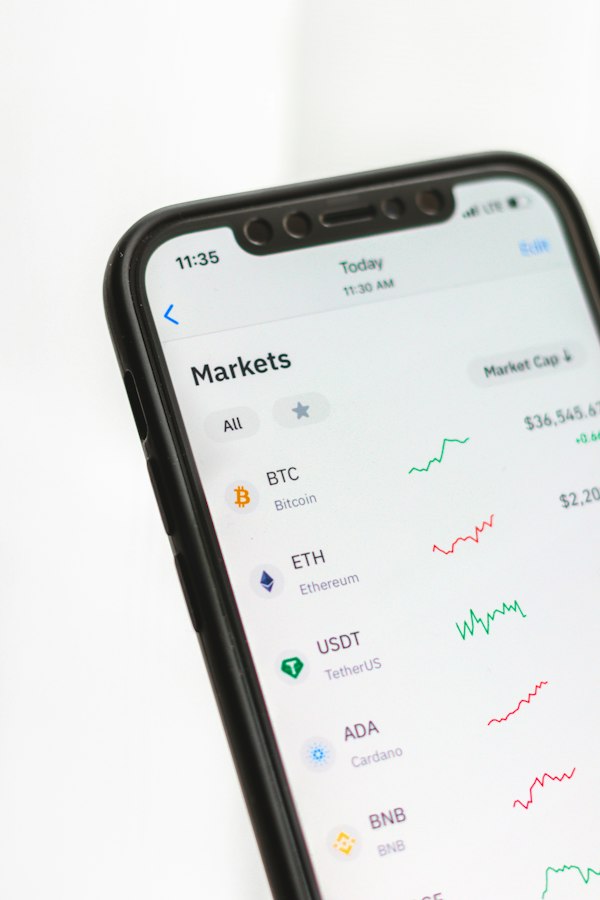
As Bitcoin prices approach $65,000 amidst rising U.S. inflation, two groups of Indian investors are taking profits. This scenario not only sheds light on market dynamics but also offers insights into the strategies of Indian investors in the cryptocurrency landscape.
# Background/Context Bitcoin has seen a remarkable resurgence, with prices nearing $65,000 amid rising inflation in the United States. This surge is not just a U.S. phenomenon; it's also creating ripples in global markets, including India. The Reserve Bank of India (RBI) and the Securities and Exchange Board of India (SEBI) are still grappling with how to regulate cryptocurrencies, leaving many Indian investors in a state of cautious optimism. In this environment, two distinct groups of investors have emerged: those who are holding onto their Bitcoin for long-term gains, and those who are seizing the moment to cash out.
# What Happened Over the past few weeks, Bitcoin has soared past the $60,000 mark, culminating in a price point that many analysts view as a potential tipping point. According to CoinDesk, Bitcoin's recent rally can be attributed to a combination of escalating inflation rates in the U.S.—which reached levels not seen in decades—and increasing institutional interest. The cryptocurrency market, including Ethereum and other altcoins, is experiencing a wave of investment fueled by this macroeconomic backdrop.
In India, as Bitcoin's price approached the new high, two groups of investors decided it was time to take profits. The first group consists of early adopters who bought in when Bitcoin was trading at significantly lower levels. The second group includes newer investors lured in by the recent price surge. Both groups sold portions of their holdings, leading to a notable increase in trading volumes on platforms such as WazirX and CoinDCX.
# Market Reaction The Indian cryptocurrency market reacted predictably to this surge. Many exchanges reported a spike in trading activity, with WazirX noting a 30% increase in transactions as investors rushed to capitalize on the price movement. Interestingly, while Bitcoin saw significant selling pressure, Ethereum and other altcoins also recorded gains, suggesting a broader bullish sentiment in the crypto space.
On the traditional stock market front, indices like the Nifty and Sensex displayed resilience. The Nifty 50 index, for example, closed at 18,500, reflecting investor confidence despite the volatility in the cryptocurrency market. The rupee (₹) has also shown some stability against the dollar, trading around ₹74.5, partly due to the inflation concerns that have led to a flight to safety in the form of equities and commodities.
# Implications for Indian Investors The actions of these two groups of investors offer critical lessons for those looking to navigate the Indian cryptocurrency landscape. For seasoned investors, this is a reminder of the importance of having an exit strategy. As the crypto market can be highly volatile, taking profits during a surge can protect gains and reinvest in other areas, such as mutual funds or fixed deposits (FDs).
Moreover, the recent rise in Bitcoin prices has reignited discussions around regulatory clarity in India. The RBI's cautious stance towards cryptocurrencies has prompted many investors to consider diversifying into regulated markets. SEBI's ongoing efforts to tighten regulations on mutual funds and investment vehicles could further influence investor sentiment. As of now, mutual funds linked to cryptocurrencies remain a gray area, making direct investments through SIPs (Systematic Investment Plans) in traditional stocks or funds a more stable choice for risk-averse investors.
# What to Watch Next Looking ahead, several factors will influence the market dynamics. First, keep an eye on the U.S. inflation rates and how these affect global investment flows. If inflation continues to rise, it could lead to more investors flocking to cryptocurrencies as a hedge against traditional market volatility.
Second, the Indian government's regulatory approach towards cryptocurrencies will be critical. Any news regarding potential bans or regulations could lead to significant price swings. Lastly, monitor the performance of major cryptocurrencies in relation to traditional financial instruments. How Bitcoin fares against equities and commodities could provide insights into future investment strategies.
# What Should You Do? 1. **Consider Taking Profits**: If you’ve made substantial gains in cryptocurrencies, think about selling a portion of your holdings to lock in profits. This strategy can help mitigate risks associated with market volatility. 2. **Diversify Your Portfolio**: Look into diversifying your investments across different asset classes, including mutual funds and fixed deposits. This will help balance the risks associated with high-volatility assets like cryptocurrencies. 3. **Stay Informed on Regulations**: Keep an eye on news regarding cryptocurrency regulations in India. Understanding the legal landscape can help you make more informed investment decisions. 4. **Evaluate Your Risk Tolerance**: Assess your financial situation and determine how much risk you are willing to take. For those who prefer stability, consider allocating a smaller portion of your portfolio to cryptocurrencies and focusing on safer investments like SIPs in equity mutual funds.
Disclaimer: This article is for informational purposes only and does not constitute financial advice. Please consult a fee-only CFP or SEC-registered investment advisor before making investment decisions.


