Bitcoin Holds Steady at $64,000 Amidst Record-Setting Indian Stock Markets and High-Tension Oil Deals
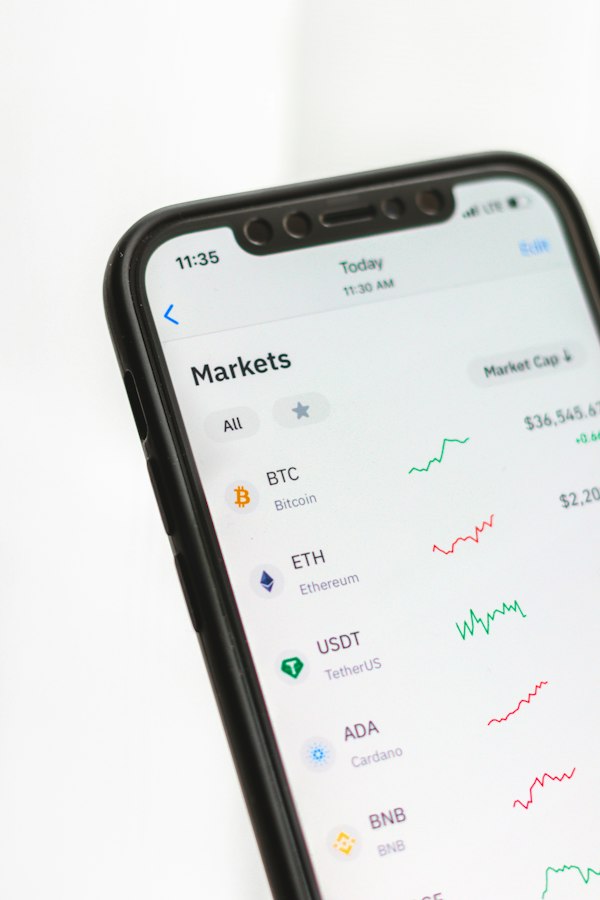
As the Indian stock markets surge to new heights, Bitcoin stabilizes around the $64,000 mark, highlighting a juxtaposition between traditional equities and the cryptocurrency landscape. Investors are keenly watching developments in financial markets, including the potential impact of geopolitical tensions in the Middle East.
# Background/Context: Navigating the Indian Financial Landscape
The Indian financial markets are experiencing a remarkable phase, with both the Bombay Stock Exchange (BSE) and the National Stock Exchange (NSE) reaching record highs. The Nifty 50 index has recently crossed the psychological barrier of 18,500, driven by strong corporate earnings and a robust economic outlook. At the same time, the Reserve Bank of India (RBI) is cautiously monitoring inflation and interest rates, ensuring that economic growth does not spiral out of control.
On the cryptocurrency front, Bitcoin is currently trading flat at approximately $64,000. This steadiness comes amid fluctuating market conditions, where investors are grappling with various factors that could influence their portfolios. As the global financial environment becomes increasingly complex, the interplay between traditional assets and digital currencies is becoming a focal point for many investors.
# What Happened: Bitcoin’s Price Stability Amid Market Fluctuations
Bitcoin's price has shown remarkable resilience, hovering around the $64,000 mark. This stability is noteworthy given the volatility typically associated with cryptocurrencies. According to CoinDesk, Bitcoin’s price has gained over 70% this year alone, underscoring the renewed interest from institutional investors and retail traders alike. Ethereum, another major player in the crypto space, is also seeing positive momentum, with its price steadily climbing to around $4,600.
In parallel, Indian equity markets are outperforming many global indices, attributed to several factors, including an influx of foreign direct investment (FDI), attractive valuations, and government initiatives aimed at boosting economic growth. For instance, the BSE Sensex recently hit an all-time high of 62,000 points, while the Nifty 50 index continues to perform robustly.
Furthermore, ongoing geopolitical developments, particularly related to the Strait of Hormuz, have added layers of complexity to the markets. The potential for a deal affecting oil supplies has implications not just for energy stocks but also for the overall market sentiment, which in turn influences risk assets like cryptocurrencies.
# Market Reaction: A Tale of Two Assets
The Indian market reaction has been overwhelmingly positive. Analysts from firms like ICICI Securities have expressed optimism, stating that the current bullish trend is likely to continue, driven by strong fundamentals and positive global cues. In fact, mutual fund inflows into equity SIPs (Systematic Investment Plans) have surged, indicating strong retail participation in the equity markets.
Conversely, the cryptocurrency market, while stable, is witnessing a more cautious approach from investors. With regulatory scrutiny from the Securities and Exchange Board of India (SEBI) and other global watchdogs, investors are weighing the risks involved in the crypto space. Despite this, Bitcoin has managed to retain its appeal, with many viewing it as a hedge against inflation and currency devaluation.
# Implications for Indian Investors: Balancing Traditional and Digital Assets
For Indian investors, the current landscape presents both opportunities and challenges. On one hand, the equity markets are providing robust returns, encouraging a higher allocation in stocks and mutual funds. On the other hand, the stability of Bitcoin at $64,000 could entice some investors to diversify their portfolios with cryptocurrencies, despite the inherent risks.
Financial advisors recommend a balanced approach. "Investors should consider their risk appetite and investment horizon carefully," says Ramesh Bhatia, a financial consultant based in Mumbai. "While equities are performing well, having a small allocation in cryptocurrencies could also be beneficial, provided it fits within their overall financial strategy."
Moreover, with the RBI's ongoing dialogue about the regulation of digital currencies, the Indian crypto landscape may soon see clearer guidelines. This could potentially lead to increased institutional investment in the crypto market, further legitimizing it in the eyes of traditional investors.
# What to Watch Next: Key Indicators and Developments
As we look to the future, several key indicators will help shape the financial landscape for Indian investors. First, keep an eye on RBI’s monetary policy decisions, especially regarding interest rates and inflation targets, as these will influence market dynamics both in equities and cryptocurrencies.
Second, monitor the geopolitical developments in the Middle East, particularly any agreements related to oil supply that could impact global markets. The health of global oil prices directly affects economic sentiment in India, which is a significant oil importer.
Lastly, watch for regulatory developments from SEBI regarding cryptocurrencies. Any moves to create a clearer regulatory framework could greatly impact the market dynamics of digital assets in India, potentially leading to increased investor confidence.
# What Should You Do? 1. **Diversify Your Portfolio**: Consider a balanced approach that includes a mix of equities and a small allocation in cryptocurrencies. This can mitigate risks while capturing growth from both asset classes. 2. **Stay Informed**: Keep track of RBI’s monetary policy announcements and global economic trends, as these can significantly influence market conditions. 3. **Consult Financial Advisors**: Speak with financial planners who can provide tailored advice based on current market conditions and your financial goals. 4. **Use SIPs Wisely**: If you’re investing in mutual funds, consider increasing your SIP contributions during market dips to take advantage of dollar-cost averaging.
By staying informed and making calculated decisions, investors can navigate the current financial landscape with confidence, balancing the growing opportunities in both traditional and digital assets.
Disclaimer: This article is for informational purposes only and does not constitute financial advice. Please consult a fee-only CFP or SEC-registered investment advisor before making investment decisions.


