Bitcoin Holds Firm Above $78,000 as Major Cryptos Wobble Amid Fed's Hawkish Stance
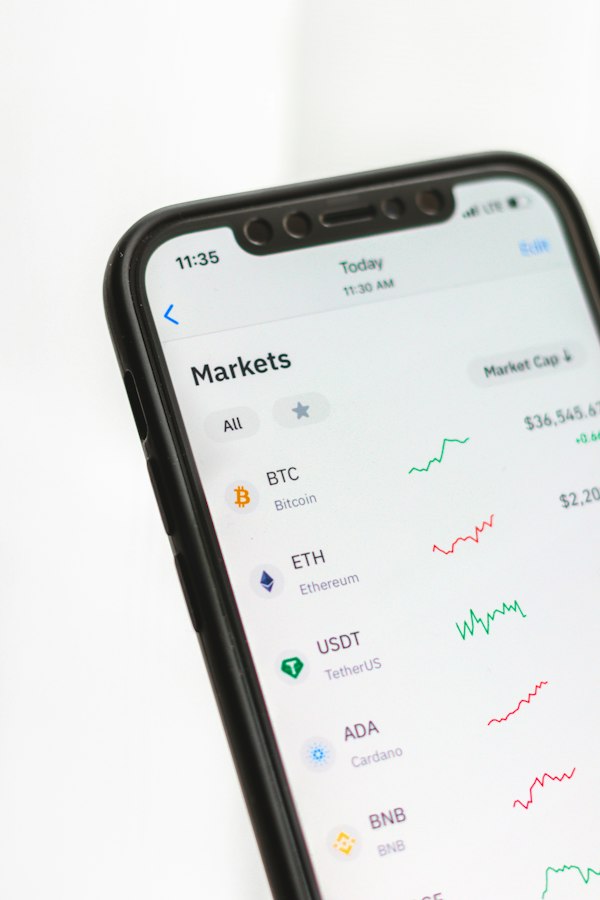
Bitcoin remains robust above the $78,000 mark, drawing attention from global investors, while Ethereum and other major cryptocurrencies face volatility. This divergence comes as the market grapples with the implications of a hawkish U.S. Federal Reserve and its potential ripple effects on emerging markets like India.
# Background: The Crypto Landscape and Global Market Dynamics Bitcoin, the world’s largest cryptocurrency, has garnered significant interest as it trades consistently above the $78,000 threshold. This momentum is particularly notable given the backdrop of increasing speculation regarding the U.S. Federal Reserve's monetary policy, which appears to be tilting towards a hawkish stance. Cryptocurrencies are often viewed as an alternative asset class, especially in markets like India where traditional investments such as fixed deposits (FDs) and even mutual funds are gaining competition from digital currencies. The Reserve Bank of India (RBI) has yet to fully embrace this asset class, but crypto's attractiveness continues to grow, especially among younger investors looking for high-growth opportunities.
# What Happened: Bitcoin's Stability Amidst Market Shifts Despite the choppy waters surrounding other major cryptocurrencies like Ethereum, which has seen fluctuating prices, Bitcoin has managed to hold its ground. As of recent reports, Bitcoin's price hovers around $78,200, reflecting a certain resilience. This stability is drawing attention from global investors, as many see Bitcoin as a hedge against inflation and currency devaluation. While major altcoins have experienced volatility—Ethereum's price recently dipped below $4,500—Bitcoin's performance suggests a divergence in investor sentiment. The anticipation of the Federal Reserve potentially tightening monetary policy has created a cautious atmosphere in global markets. Investors are weighing the implications of interest rate hikes, which could affect liquidity and investment patterns across the board.
# Market Reaction: India’s Investors and the Broader Implications The Indian market has reacted with a blend of optimism and caution. The National Stock Exchange (NSE) and the Bombay Stock Exchange (BSE) have seen increased activity, with the Nifty index reflecting fluctuations that correlate with global sentiment. For Indian investors, the rising interest in Bitcoin can be both an opportunity and a cause for concern. Experts like Raghuram Rajan, former RBI Governor, have expressed that while digital currencies can offer significant returns, they also come with high volatility and regulatory uncertainties. The Securities and Exchange Board of India (SEBI) has been slow to provide clear guidance on cryptocurrencies, leaving many investors to navigate this space with limited regulatory backing.
# Implications for Indian Investors: Diversification and Caution For Indian investors, Bitcoin's recent performance underscores the importance of diversification in their portfolios. As traditional investment avenues face pressures from inflation and potentially higher interest rates, digital currencies might emerge as a viable alternative. However, the market's volatility demands a cautious approach. Moreover, with the Indian rupee (₹) facing pressures from global macroeconomic trends, the allure of Bitcoin as a store of value becomes more pronounced. However, it’s crucial for investors to consider the inherent risks associated with cryptocurrencies, especially given the RBI's cautious stance on digital currencies. Furthermore, mutual funds that invest in cryptocurrencies or blockchain technology are starting to appear, giving Indian investors a more regulated pathway to gain exposure without directly holding digital assets. Systematic Investment Plans (SIPs) in these funds can provide a way to enter the market gradually, reducing the impact of volatility.
# What to Watch Next: Key Indicators for Investors As we move forward, several key indicators will be crucial for investors to monitor: 1. **U.S. Federal Reserve Announcements**: Any hints or announcements regarding interest rate hikes will be pivotal. A hawkish Fed could lead to increased volatility in both traditional and digital markets. 2. **RBI's Regulatory Framework**: Investors should keep an eye on any developments from the RBI regarding cryptocurrency regulations. Clarity in this area could significantly influence market dynamics in India. 3. **Market Sentiment on Cryptos**: Tracking investor sentiment on social media and crypto forums can provide insights into potential price movements. Bitcoin's performance is often driven by market psychology, which can change rapidly. 4. **Global Economic Trends**: As inflation persists globally, understanding how these trends affect the Indian economy and the rupee will be vital. This, in turn, will influence investor decisions across asset classes.
# What Should You Do? - **Consider Dollar-Cost Averaging**: If you're interested in Bitcoin, consider a dollar-cost averaging strategy to mitigate the impact of volatility. This involves investing a fixed amount regularly, regardless of the price. - **Explore Regulated Mutual Funds**: Look for mutual funds in India that offer exposure to cryptocurrencies or blockchain technology, allowing for a more regulated investment approach. - **Stay Informed**: Keep abreast of global economic news and RBI announcements to better understand the market landscape and make informed investment decisions. - **Diversify Your Portfolio**: Don’t put all your eggs in one basket. A balanced portfolio including equities, FDs, and cryptos can help manage risk.
In this rapidly evolving landscape, patience and prudence will be key for Indian investors navigating the intricate world of cryptocurrencies. By staying informed and adopting a strategic approach, you can capitalize on the growth opportunities while managing risks effectively.
Disclaimer: This article is for informational purposes only and does not constitute financial advice. Please consult a fee-only CFP or SEC-registered investment advisor before making investment decisions.


