Bitcoin Faces Headwinds Amid U.S.-Iran Tensions and Rising Oil Prices
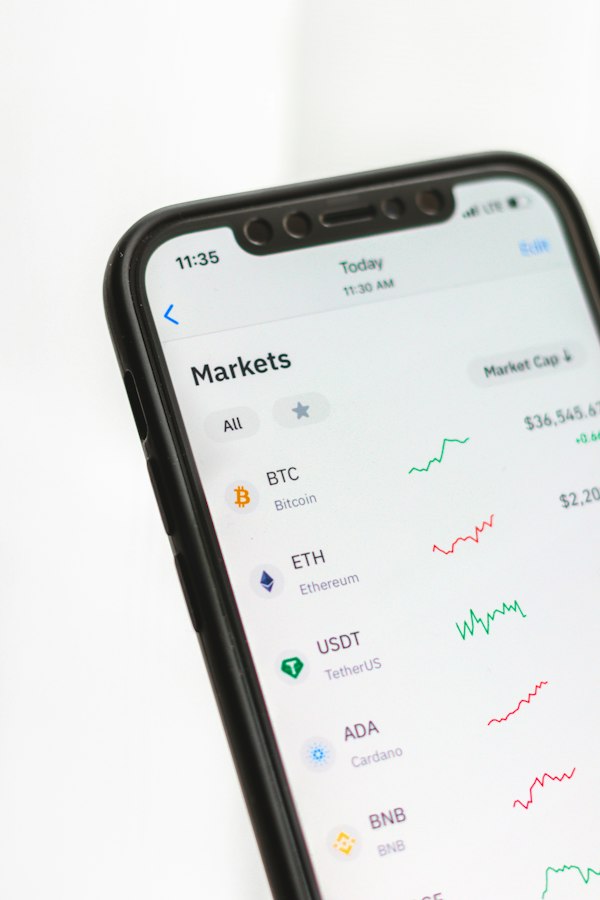
Recent geopolitical tensions between the U.S. and Iran have put Bitcoin under pressure, while oil prices are soaring. This scenario is creating ripples across global markets, including India, raising questions for investors about the future of cryptocurrencies and traditional assets alike.
# Background/Context Bitcoin has long been regarded as a hedge against traditional financial systems, often likened to digital gold. However, the cryptocurrency landscape is highly sensitive to macroeconomic factors, and recent geopolitical developments have thrown a wrench into the market's gears. Tensions between the U.S. and Iran have escalated, leading to a surge in oil prices. This uptick in crude oil is not just a localized phenomenon; it has implications that extend to global financial markets, including India.
The Reserve Bank of India (RBI) has been cautious about cryptocurrencies, emphasizing that they don’t qualify as legal tender. Meanwhile, the Securities and Exchange Board of India (SEBI) has been working on regulatory frameworks to ensure investor safety amid a rapidly evolving market. Given this context, it's crucial for Indian investors to understand how these global dynamics impact local markets, particularly in light of rising oil prices.
# What Happened In response to heightened tensions between the U.S. and Iran, crude oil prices spiked by over 5% last week, crossing the $85 per barrel mark. The increase is largely attributed to fears surrounding supply disruptions in the Middle East, which has historically been a hotspot for oil production. This rise in oil prices naturally impacts inflation rates and has a ripple effect on various asset classes, including commodities and cryptocurrencies.
Bitcoin, which had been trading around ₹5.5 million ($66,000) per coin, saw a sharp decline following these developments. As of now, it has retraced to about ₹5.1 million ($61,000), reflecting a loss of approximately 7.3%. Ethereum and other altcoins have also followed suit, mirroring Bitcoin's downturn. This correlation with oil prices is intriguing, as cryptocurrencies are often perceived as independent assets.
# Market Reaction The immediate reaction from the markets has been one of caution. The Nifty 50, India's benchmark stock index, fell by 1.2% in the aftermath of the oil price surge. Analysts attribute this downturn to increased inflationary pressures that could lead the RBI to reconsider its monetary policy stance. Investors are now bracing for potential interest rate hikes, which could affect Fixed Deposits (FDs), Systematic Investment Plans (SIPs), and mutual funds across the country.
The BSE Sensex also reflected a similar trend, closing down 400 points. The fears of escalating oil prices leading to increased costs of goods and services could be a significant concern moving forward. Although the Indian government has been trying to manage inflation through various measures, the external shocks could complicate these efforts.
# Implications for Indian Investors For Indian investors, the unfolding situation presents a mixed bag of opportunities and risks. On one hand, rising oil prices can lead to increased revenue for energy companies listed on the NSE and BSE, potentially making them attractive for equity investments. On the other hand, the ripple effects of oil prices could lead to higher inflation, impacting consumer spending and overall economic growth.
Cryptocurrency investors might need to rethink their strategies given the apparent correlation between traditional commodities like oil and digital assets. Historically, Bitcoin's performance has shown that it can be influenced by macroeconomic factors. If the trend continues, it could lead to further volatility in the crypto market, making it a less reliable store of value in uncertain economic climates.
Moreover, the RBI's stance on cryptocurrencies remains a looming concern. Any shifts in regulatory focus could further impact Bitcoin's viability in India. As seen in previous instances, regulatory announcements can lead to sharp price fluctuations, making it essential for investors to remain vigilant.
# What to Watch Next 1. **Oil Prices**: Continual monitoring of oil prices is crucial as they influence inflation and economic stability both globally and in India. Any further escalation in U.S.-Iran tensions could lead to additional volatility in this sector. 2. **RBI Policy Changes**: Watch for signals from the RBI regarding interest rate adjustments and any announcements regarding cryptocurrency regulations. These factors will have direct implications for investment strategies. 3. **Market Sentiment**: Keep an eye on how the Nifty and Sensex react to these macroeconomic indicators. A prolonged downturn could affect liquidity and investor sentiment. 4. **Global Trends**: The correlation between oil prices and cryptocurrencies may pave the way for new investment strategies. Understanding global market dynamics will be key for navigating this complex landscape.
# What Should You Do? - **Diversify Your Portfolio**: Given the potential for volatility, consider balancing your investments across traditional assets like equities, FDs, and mutual funds, alongside cryptocurrencies. - **Stay Informed**: Keep up with daily financial news and analyses from reliable sources, including updates from RBI and SEBI about regulatory changes. - **Consider the Long Game**: If you’re invested in cryptocurrencies, remember that market cycles can be long. Resist the urge to make impulsive decisions based on short-term fluctuations. - **Evaluate Risk Appetite**: Assess your risk tolerance regularly. If you find yourself uncomfortable with the volatility in your portfolio, it may be time to rethink your asset allocation.
In this complex environment, staying informed and adaptable is the best strategy for Indian investors looking to navigate the challenges ahead. The interplay between geopolitical factors and financial markets underscores the importance of a well-researched investment approach that considers both local and global contexts.
Disclaimer: This article is for informational purposes only and does not constitute financial advice. Please consult a fee-only CFP or SEC-registered investment advisor before making investment decisions.


