Bitcoin ETFs Face Significant Outflows Amid Market Volatility
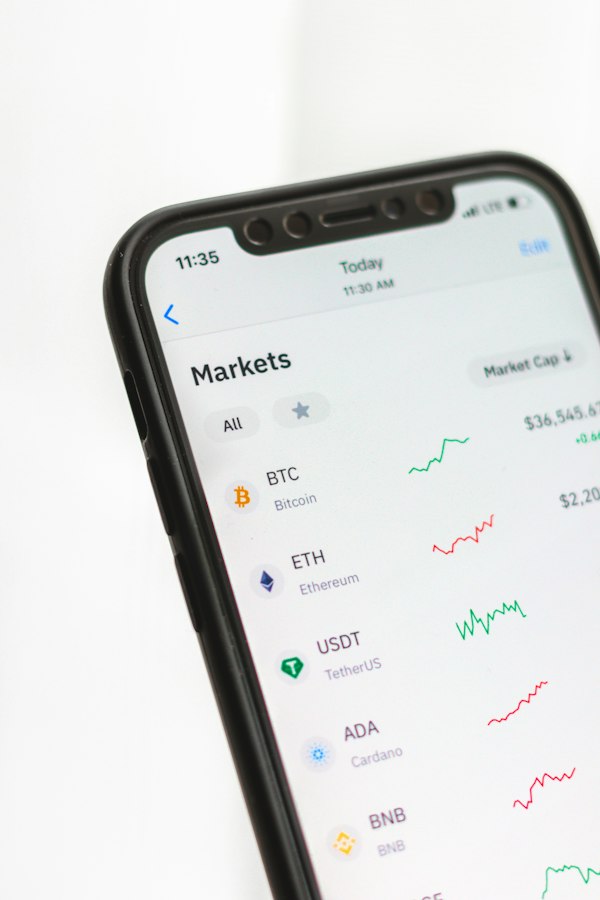
Friday witnessed a staggering outflow of $643 million from Bitcoin ETFs, raising concerns among investors. With 2026 projected to be only marginally profitable, the implications for global and Indian investors could be profound.
# Background: The Cryptocurrency Market Landscape
The cryptocurrency market has been a rollercoaster ride over the last few years. What started as a niche investment option has evolved into a mainstream financial instrument, with Bitcoin often being at the forefront of this evolution. However, volatility remains a constant in this landscape.
In India, the Reserve Bank of India (RBI) has been cautious about cryptocurrencies, emphasizing the need for regulatory clarity. The Securities and Exchange Board of India (SEBI) has also kept a close watch on crypto-related investments, including crypto ETFs. These developments have fostered a mix of skepticism and interest among Indian investors.
Bitcoin ETFs, which allow traditional investors to gain exposure to Bitcoin without having to own the cryptocurrency directly, have surged in popularity. Yet, their recent performance raises questions about the sustainability of this investment vehicle, especially considering the current economic climate.
# What Happened: A Drastic Outflow
On Friday, Bitcoin ETFs suffered a massive outflow of $643 million. This figure represents one of the largest withdrawals recorded from these funds, signaling a potential shift in investor sentiment. The outflow comes at a time when Bitcoin's price remains relatively stagnant, leading many to wonder whether this is a short-term blip or a sign of deeper issues within the cryptocurrency market.
According to data from CoinDesk, Bitcoin's market capitalization has been hovering around $700 billion, with the cryptocurrency trading at approximately ₹4,500,000 ($55,000) at the time of writing. Ethereum, another major player in the crypto space, is also feeling the pressure, as investors seek safer havens amidst growing economic uncertainties.
# Market Reaction: Volatility and Uncertainty
The immediate reaction in the Indian stock markets was palpable. While the Nifty 50 index, which tracks the performance of 50 of the largest companies listed on the National Stock Exchange (NSE), maintained a steady course, concerns over crypto investments led to a cautious mood among retail investors. Many analysts suggest that the pronounced outflows from Bitcoin ETFs could signal a broader trend where investors are choosing to liquidate their positions in the face of potential losses.
Market experts, including Santosh Kumar, a senior analyst at a leading financial services firm, noted, "The substantial outflow from Bitcoin ETFs indicates that investors are becoming increasingly wary of market volatility. With inflationary pressures and geopolitical tensions weighing heavily on market sentiment, investors are looking for more stable investment avenues."
This sentiment echoes across various financial instruments in India. Fixed Deposits (FDs) have seen a resurgence in popularity as investors flock to traditional savings methods, while mutual fund inflows continue to reflect a cautious yet optimistic outlook. Systematic Investment Plans (SIPs) remain a favorite among retail investors, indicating an inclination towards long-term financial products amidst current market unpredictability.
# Implications for Indian Investors
For Indian investors, the implications of the Bitcoin ETF outflows are manifold. Firstly, the trend could lead to increased regulatory scrutiny around cryptocurrency investments in India. The RBI's cautious stance may harden further as they assess the fallout from global market reactions, which could result in stricter guidelines for crypto-related investments.
Moreover, the outflows may deter new investors from entering the cryptocurrency market, particularly in a country where awareness and understanding of digital assets remain in nascent stages. While some seasoned investors may view this as a buying opportunity, the average investor may be more risk-averse, leading to a potential decline in overall market participation.
# What to Watch Next: Trends and Developments
As we look ahead, there are several areas for investors to monitor closely. The performance of Bitcoin and Ethereum in the coming weeks will be crucial. If these cryptocurrencies can regain momentum and stabilize their prices, it may restore some confidence among investors.
Additionally, keep an eye on regulatory discussions in India regarding cryptocurrencies. The RBI and SEBI may announce new measures that could significantly impact how Indian investors approach digital assets. Monitoring global trends, especially in the U.S. markets, will also be essential, as they often set the tone for international investors.
# What Should You Do? 1. **Diversify Your Portfolio**: Consider balancing your investments across various asset classes, including equities, fixed deposits, and mutual funds, to mitigate risks associated with market volatility. 2. **Stay Informed**: Keep up with regulatory changes in India regarding cryptocurrencies. Understanding these developments can help you make informed investment decisions. 3. **Assess Your Risk Appetite**: Re-evaluate your investment strategy in light of recent market trends. If you are leaning towards high-risk assets like cryptocurrencies, ensure it aligns with your overall financial goals. 4. **Consider SIPs for Mutual Funds**: If you're looking for a more stable investment vehicle, regular SIPs in mutual funds can offer a disciplined approach to wealth accumulation over time.
As the cryptocurrency market navigates through these turbulent waters, staying informed and adapting your strategies will be key to protecting your investments and capitalizing on future opportunities. The world of finance is ever-changing, and being proactive can help you remain ahead of the curve.
Disclaimer: This article is for informational purposes only and does not constitute financial advice. Please consult a fee-only CFP or SEC-registered investment advisor before making investment decisions.
More News

Navigating the Geopolitical Landscape: What Trump's Stance on Iran Means for Indian Investors
5 min read

South Korea's Ambitious AI Budget: What It Means for Global Markets
5 min read

Sam Altman's Strategic South Korea Visit: Implications for AI and Semiconductor Markets
5 min read